
STEVTA to introduce AI, other market-driven courses soon
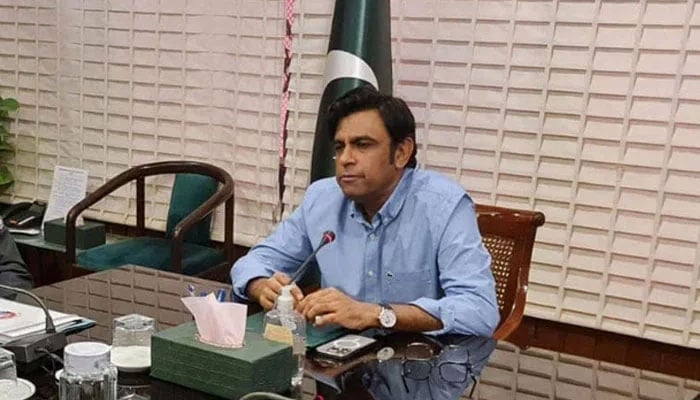
Sindh Chief Secretary Shah has said the vision of Chairman Pakistan Peoples Party Bilawal Bhutto Zardari and Chief Minister Syed Murad Ali Shah is centered on empowering the youth of the province through technical education and skill development.
He said the Sindh government is fully committed to creating opportunities for youth by strengthening the technical and vocational training system and ensuring that it meets national and international job market standards.
He expressed these views while presiding over a meeting of the Sindh Technical Education and Vocational Training Authority (STEVTA) held in Karachi on Wednesday. The meeting focused on aligning technical education with industry needs to enhance youth employability.
The meeting was attended by Chairman STEVTA and Special Assistant to CM Junaid Buland, Director General Public-Private Partnership Asad Zamin, Managing Director STEVTA Tariq Manzoor Chandio, and other senior officials of the authority.
The CS directed that 100 percent job placement of STEVTA-trained graduates must be targeted, emphasizing that employability should be the central objective of every training initiative. He stressed the importance of designing skill-based, industry-responsive programs that directly lead to employment.
He instructed STEVTA to urgently establish linkages with industries operating under modern market dynamics and to introduce training programmes that cater to current job market demands so that students become technically skilled and capable of securing meaningful employment.
The meeting was informed that STEVTA currently operates more than 250 technical and vocational institutions across Sindh, including 56 in Karachi Division, 65 in Hyderabad, 31 in Sukkur, 46 in Larkana, 18 in Mirpurkhas, and 43 in Shaheed Benazirabad Division. These institutes offer training in mechanical, electrical, civil, computer, textile, hospitality, and other vocational fields.
To make STEVTA more responsive and effective, the chief secretary announced that 30 percent of STEVTA institutions will be operated under the public-private partnership (PPP) model. This approach aims to improve institutional management, training quality, and employment outcomes through active private sector involvement.
He emphasized that for public institutions to function successfully, collaboration with the private sector is essential. Through PPPs, not only can the quality of training and infrastructure be improved, but accountability and outcome-driven performance can also be ensured. He directed that clear Key Performance Indicators (KPIs) must be included in all PPP agreements, with graduate job placement as the top priority.
He also assured full support from the Sindh government in terms of financial resources and qualified personnel for this transformation.
It was also decided during the meeting that 30 model institutes will be established across all six divisions of Sindh, with five institutes selected from each division. These institutes will be upgraded with modern infrastructure, industry-aligned curriculum, trained instructors, and globally recognized certifications—turning them into centers of excellence.
Chairman STEVTA Junaid Buland informed the meeting that new market-driven courses—such as Artificial Intelligence, Information Technology, and other emerging technologies—will soon be introduced in STEVTA institutes.
He added that the aim of establishing 30 model institutes is to equip Sindh’s youth with globally competitive skills and prepare them for both local and international job markets. The meeting also reviewed key challenges facing STEVTA, such as vacant teaching positions, outdated infrastructure, obsolete curricula, limited equipment, and weak industry linkages. Despite these hurdles, the government reaffirmed its commitment to transforming technical education across the province through structural reforms and strategic interventions.







-
 King Charles, Prince William Issued Stark Warning Amid Rumours Of Their 'secret War'
 -
 Massive Wildfires Threaten Bordeaux, Straining Firefighters Across France And Spain
 -
 King Charles Receives Good News About Prince William, Harry's Possible Reunion After Ultimatum
 -
 New Research Suggest Restricted Eating Hours May Reduce Cognitive Decline In Older Age
 -
 Dubai Becomes Millionaire Hotspot After 102% Wealth Surge: Report Finds
 -
 Kathie Lee Gifford Reveals She'll 'never Get Married Again'
 -
 Three Levels Of AI Leadership Every CEO Needs
 -
 ‘It's Time To Say Goodbye’: Gary Stevenson Pauses YouTube Channel Amid Mental Health Struggles
 -
 Japanese Football Legend 'King Kazu' Makes History With Goal At 59
 -
 Royal Expert Reflects On Prince William's Warning To Harry About Meghan Markle
 -
 'Frustrated' Meghan Markle Finally Distances Herself From Royal Title
 -
 US-Russian Space Crew Returns To Earth After Eight-month Mission On The International Space Station
 -
 Viking 1 Mars Landing: 50 Years Since First Photos
 -
 Prince Harry Feeling 'quite Hopeful' For Reconciliation With William: Here's Why
 -
 Lamine Yamal Strongly Warned About Romance With Girlfriend Ines Garcia
 -
 Lamine Yamal’s Girlfriend Ines Garcia Hits 4 Instagram Followers After Spain’s World Cup Win