
OMAP slams substandard diesel output
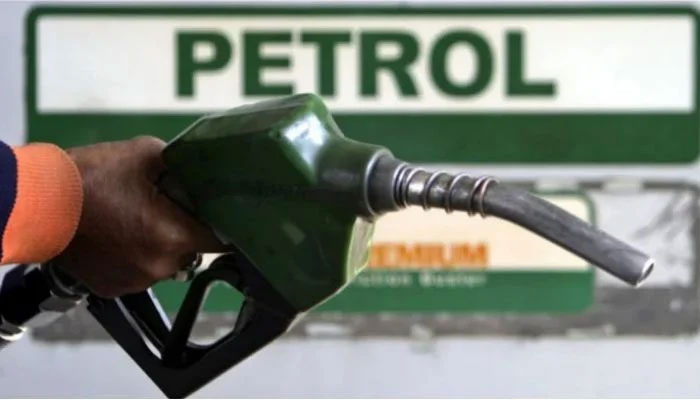
KARACHI: The Oil Marketing Association of Pakistan (OMAP) has raised serious concerns over the quality of high-speed diesel (HSD) produced by local refineries, saying that it falls far short of Pakistan’s adopted Euro-V standards.
The Oil and Gas Regulatory Authority (Ogra) recently mandated oil marketing companies (OMCs) to uplift diesel and petrol from local refineries. “While we acknowledge the intent to support domestic production, this policy has resulted in unintended yet deeply troubling consequences. Local refineries, despite operating under substantial government support and fiscal protections for over two decades, continue to produce high-speed diesel (HSD) that drastically fails to meet Pakistan’s adopted Euro-V quality standards,” OMAP said in a letter to the Secretary for Petroleum.
Since January 2021, Euro-V fuel specifications require diesel to contain a maximum of 10 parts per million (ppm) of sulphur. However, local refineries are producing diesel with sulphur levels as high as 10,000 ppm -- 1,000 times higher than the international standard, the association noted. It added that this not only renders the fuel environmentally hazardous but also severely compromises vehicle engine performance, reduces fuel efficiency and significantly increases maintenance costs for consumers.
Despite this glaring disparity in quality, low-specification diesel is being priced and sold on par with high-quality imported Euro-V diesel, OMAP added, expressing that this practice is not only economically unjustifiable but also ethically indefensible. Consumers across Pakistan are being charged for premium-grade fuel but are supplied with a product that damages their health, environment, and vehicle engines. Such pricing policies, it warned, violate the principles of fair competition and transparency and constitute a breach of public trust.
OMAP warned that high-sulphur diesel poses serious environmental and health risks, contributing to acid rain, smog, and respiratory illnesses such as asthma and cancer. The World Health Organisation (WHO) classifies high-sulphur diesel exhaust as a known carcinogen, endangering millions of Pakistanis.
Moreover, the blending of high-sulphur local diesel with imported Euro-V diesel within the white oil pipeline (WOP) system is contaminating clean fuel supplies and nullifying the positive impact of Euro-V fuel adoption. This practice, OMAP said, not only defeats the purpose of fuel imports but also misleads consumers who believe they are purchasing cleaner, safer fuel.
While reaffirming its commitment to supporting indigenous refining capabilities, OMAP stressed that it cannot endorse a policy framework that penalises OMCs and consumers for the shortcomings of local refineries. The association noted that the concept of deemed duty in Pakistan’s refining sector evolved from a guaranteed return model (in place from the 1960s until 2002) to a self-financing framework.
In 2002, the government introduced a tariff protection formula with a 10 per cent deemed duty on high-speed diesel (HSD) and 6.0 per cent on jet fuel and light diesel oil (LDO) to encourage refinery upgrades. This duty on HSD was reduced to 7.5 per cent in 2007-08 to balance refinery support with consumer costs.
Despite receiving massive fiscal benefits -- including over Rs500 billion in deemed duty collections -- most refineries have failed to invest meaningfully in modernising their operations or upgrading to international fuel standards, the association said.
OMAP strongly criticised the unjustified practice of charging premium prices for substandard fuel and urged Ogra to implement a differentiated pricing mechanism that reflects the actual quality of fuel being supplied. High-sulphur diesel, it said, should be priced significantly lower than Euro-V-compliant fuel.
It also called for the enforcement of strict quality compliance, making it mandatory for refineries to produce diesel that aligns with Pakistan’s adopted Euro-V standards, and for the prohibition of commingling low-spec and high-spec fuel in pipelines to preserve product integrity. It emphasised the need to ensure full transparency and traceability in fuel quality throughout the supply chain to protect consumer rights.







-
 Jake Paul Criticizes Bad Bunny's Super Bowl LX Halftime Show: 'Fake American'
 -
 Prince William Wants Uncle Andrew In Front Of Police: What To Expect Of Future King
 -
 Antioxidants Found To Be Protective Agents Against Cognitive Decline
 -
 Hong Kong Court Sentences Media Tycoon Jimmy Lai To 20-years: Full List Of Charges Explained
 -
 Coffee Reduces Cancer Risk, Research Suggests
 -
 Katie Price Defends Marriage To Lee Andrews After Receiving Multiple Warnings
 -
 Seahawks Super Bowl Victory Parade 2026: Schedule, Route & Seattle Celebration Plans
 -
 Keto Diet Emerges As Key To Alzheimer's Cure
 -
 Chris Brown Reacts To Bad Bunny's Super Bowl LX Halftime Performance
 -
 Trump Passes Verdict On Bad Bunny’s Super Bowl Halftime Show
 -
 Super Bowl 2026 Live: Seahawks Defeat Patriots 29-13 To Win Super Bowl LX
 -
 Kim Kardashian And Lewis Hamilton Make First Public Appearance As A Couple At Super Bowl 2026
 -
 Romeo And Cruz Beckham Subtly Roast Brooklyn With New Family Tattoos
 -
 Meghan Markle Called Out For Unturthful Comment About Queen Curtsy
 -
 Bad Bunny Headlines Super Bowl With Hits, Dancers And Celebrity Guests
 -
 Insiders Weigh In On Kim Kardashian And Lewis Hamilton's Relationship