
A sacred trust
Buddhism, with its principle of interdependence (pratityasamutpada), teaches that all beings are interconnected
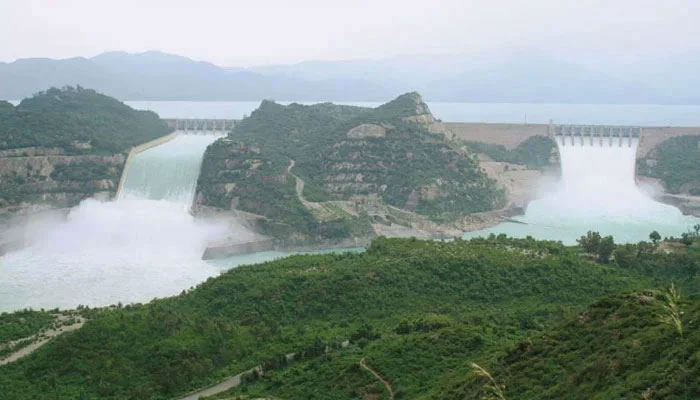
Tampering with rivers and nature transcends mere environmental concern; it touches upon deep spiritual, ethical, and philosophical dimensions found across various faiths and belief systems. Canal construction on rivers is prohibited due to its detrimental impact on ecosystems, water quality and local communities. Protecting our waterways is essential for the well-being of all.
From a spiritual perspective, many religious texts emphasise the sacredness of creation. In the Quran, Allah is described as the Creator of the heavens and the earth, and humans are seen as stewards of His creation. Tampering with rivers, which are often viewed as symbols of life and sustenance, could be seen as a violation of this stewardship. Similarly, in the Bible, the Book of Genesis speaks of God creating a harmonious world, and humanity's role is to care for it. The Torah also emphasises the importance of preserving the land and its resources, recognising that all creation is interconnected.
In Hinduism, rivers are revered as sacred entities, often personified as goddesses like Ganga. Tampering with such rivers is not just an ecological concern but also an affront to the Divine. The Hindu philosophy of Dharma emphasises living in harmony with nature, suggesting that disrupting natural systems leads to disharmony not just in the environment but in society as well.
Buddhism, with its principle of interdependence (pratityasamutpada), teaches that all beings are interconnected. Tampering with rivers can disrupt this balance, leading to suffering for all forms of life. The Buddhist practice of mindfulness extends to our relationship with nature, urging us to act with compassion and awareness towards the environment.
Zoroastrianism, with its focus on the duality of good and evil, underscores the importance of maintaining the purity of the natural world. The rivers, being vital to life, are viewed as part of the divine order, and their tampering can be seen as an act of chaos against the order of Ahura Mazda's creation.
Scientifically, rivers play a crucial role in maintaining ecosystems, supporting biodiversity and regulating climate. The degradation of these natural resources leads to dire consequences such as loss of habitat, diminished water quality, and climate instability. Logically, it follows that the health of the planet is directly tied to human well-being and any actions that harm rivers ultimately harm humanity itself.
From a mystical standpoint, many cultures view rivers as conduits of energy and life force. They are often seen as symbols of change and transformation. Tampering with these natural waterways can be viewed as an interruption of the flow of life, disrupting not just physical ecosystems but also the spiritual and cultural connections that communities have with their environment. Rivers are often regarded as sacred, embodying the wisdom of ancestors and the stories of generations.
When their natural courses are altered, whether through damming, pollution or diversion, it can create a ripple effect that transcends the physical realm. This disruption can lead to a loss of identity for local populations, severing their ties to traditional practices, rituals, and beliefs that revolve around these waterways.
The imbalance created may manifest not only in the form of ecological degradation but also as social unrest, cultural disintegration, and a disconnection from the essence of life that rivers symbolise. In this light, the protection of rivers is not merely an environmental concern but a profound act of honouring the interconnectedness of all living beings and the sacred rhythms of the Earth.
In the celestial journey of Mi'raj, Prophet Muhammad (pbuh) beheld four rivers – of water, milk, wine and honey – flowing from the base of the Sidrat al-Muntaha tree, a reminder of the divine abundance that nourishes our souls and connects us all.
The writer is a distinguished conflict resolution and sovereignty specialist who spearheaded a major environmental remediation design program.







-
 Kylie Kelce Explains Why She Avoids Raising Kids With 'silver Spoon'
 -
 Meghan Markle Is Above Royal Family ‘empty Threats,’ Says Insider
 -
 Anne Hathaway Opens Up About 'defeated' Feeling As Working Mom
 -
 Shamed Andrew Should Testify In Epstein Case As ‘act Of Service’
 -
 What Really Happened Before Nicholas Brendon Was Found Dead At Home?
 -
 Sarah Ferguson Branded ‘most Famous Missing Person’ In UK Right Now
 -
 Why King Charles Does Not Need A Driving License? Expert Reveals
 -
 Did Graham Norton Really Sign NDAs For Taylor Swift’s Wedding?
 -
 ‘Polite’ King Charles Treats Staff Better Than ‘boorish’ Andrew
 -
 Princess Beatrice's Husband Raises Eyebrows With Deleted Instagram Post
 -
 Dua Lipa 'snubs' Priyanka Chopra
 -
 Will Taylor Frankie Paul Still Get Her 'Bachelorette' Salary?
 -
 'Harry Potter' Returns: First Glimpse Of HBO's New Series
 -
 Ryan Gosling Credits His Kids For Key Detail In New Role
 -
 Prince William, Kate Middleton Mark 'historic Moment'
 -
 Why Roberts Pattinson Says Couples 'ruin' Their Big Day Amid Suki Waterhouse Wedding Rumors?