
Mature unity
As tensions with India escalate once again, what Pakistan needs most is maturity, unity and restraint
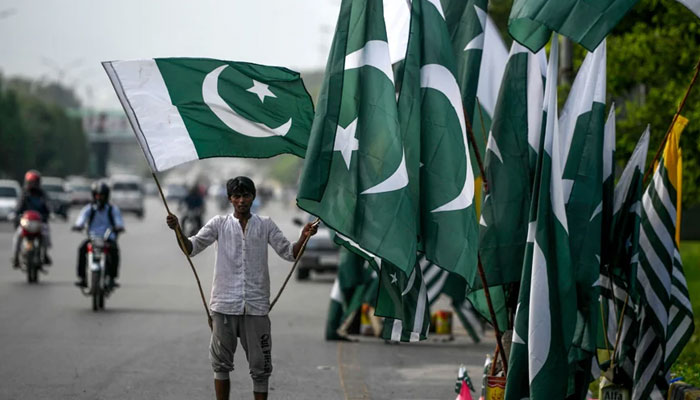
As tensions with India escalate once again, what Pakistan needs most is maturity, unity and restraint. And despite the noise, the facts speak for themselves: Pakistan, both as a state and as a society, has responded to Indian aggression with composure, responsibility and reason. In contrast to the jingoism dominating Indian airwaves, Pakistan has maintained a disciplined national posture – calling for transparency, condemning violence, and cautioning against war. That calm must not be drowned out by internal bickering or self-serving narratives. The PTI’s recent demand for the “immediate and unconditional” release of Imran Khan, framed as a prerequisite for national unity, falls into this unfortunate category of misdirected messaging. No doubt, Imran remains a central figure in Pakistan’s political landscape, with undeniable influence and grassroots appeal. But unity should not be made conditional on political fortunes. It is worth recalling that in 2019, when India launched the Balakot strike, the opposition – despite claiming persecution by the government of the time – had stood firmly with PM Imran Khan. The same principle must apply today: unity must be selfless, not transactional.
That said, it is also important to urge government and state representatives to refrain from providing more ammunition to Indian television networks that thrive on manufactured outrage and disinformation. By engaging in petty quarrels on platforms like Republic TV, Pakistani voices inadvertently feed the very propaganda machines trying to portray Pakistan as divided and dysfunctional. This benefits no one but those looking to destabilise the region. Fortunately, the people of Pakistan have shown more wisdom. Across social media, particularly on X (formerly Twitter), Pakistanis have displayed a remarkable sense of national cohesion. They have countered Indian narratives with humour, facts and dignity. In fact, the ‘Pakistani meme’ should be an artform in itself. The way the people of the country have chosen to respond to naked hatred with memes and laughter is something to be learnt.
This is not to say that political differences should be erased or dissent silenced. But there is a time for debate, and there is a time for national resolve. Right now, as Indian rhetoric grows more dangerous, unity must take precedence over partisanship. And any voices attempting to sow discord – whether through opportunistic demands or shrill provocations – must be recognised for what they are: distractions. They do not reflect the national mood, which has been overwhelmingly mature, measured and united. The effort by Pakistan to handle the fallout from the Pahalgam incident has been responsible, even while India has failed to provide credible evidence and continues to posture militarily. If Pakistan has stated repeatedly that it will not initiate war but will respond if attacked, that is not a threat but a statement of sober policy. Indian Prime Minister Narendra Modi appears increasingly hostage to his own brand of nationalist bluster, and in such a climate, the risk of miscalculation is high. But the answer to this lies in standing firm, calm and united – not in allowing every political statement to be weaponised or every criticism to be mistaken for treason.







-
 Kylie Kelce Explains Why She Avoids Raising Kids With 'silver Spoon'
 -
 Meghan Markle Is Above Royal Family ‘empty Threats,’ Says Insider
 -
 Anne Hathaway Opens Up About 'defeated' Feeling As Working Mom
 -
 Shamed Andrew Should Testify In Epstein Case As ‘act Of Service’
 -
 What Really Happened Before Nicholas Brendon Was Found Dead At Home?
 -
 Sarah Ferguson Branded ‘most Famous Missing Person’ In UK Right Now
 -
 Why King Charles Does Not Need A Driving License? Expert Reveals
 -
 Did Graham Norton Really Sign NDAs For Taylor Swift’s Wedding?
 -
 ‘Polite’ King Charles Treats Staff Better Than ‘boorish’ Andrew
 -
 Princess Beatrice's Husband Raises Eyebrows With Deleted Instagram Post
 -
 Dua Lipa 'snubs' Priyanka Chopra
 -
 Will Taylor Frankie Paul Still Get Her 'Bachelorette' Salary?
 -
 'Harry Potter' Returns: First Glimpse Of HBO's New Series
 -
 Ryan Gosling Credits His Kids For Key Detail In New Role
 -
 Prince William, Kate Middleton Mark 'historic Moment'
 -
 Why Roberts Pattinson Says Couples 'ruin' Their Big Day Amid Suki Waterhouse Wedding Rumors?