
Oil dives to three-year low on hit from tariffs, OPEC supply
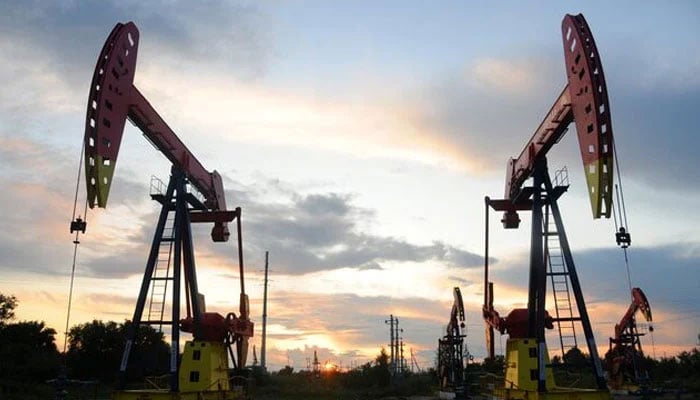
Oil tumbled for a second day, sinking to the lowest in more than three years as traders digested a surprise output increase by OPEC+ and a rapidly escalating global trade war, reports Bloomberg.
Benchmark Brent has lost more than 10 per cent in two days, while US futures are also trading at their lowest since 2021. The slump comes amid broad declines across global markets, including commodities from gas to grains.
Oil’s rout was triggered Thursday by a deluge of tariffs from US President Donald Trump, which threaten both global economic growth and consumption. Hours later, OPEC+ tripled a planned output hike for May, in what delegates called a deliberate effort to drive down prices to punish members pumping above their quota, the Bloomberg report added.
Crude extended losses on Friday after the official Xinhua News Agency reported that China had imposed 34 per cent tariffs on all US imports in retaliation.
The retreat marks a fresh attempt to break out of the $15 trading range of the past six months. During that period, OPEC+ supply curbs were seen to put a floor under the market, while the group’s ample spare capacity acted as a ceiling. This week’s unexpected production increase raises questions about whether the alliance will continue to defend higher prices.
The dual hit from OPEC+ and tariffs has prompted a rush by traders and Wall Street banks to reassess their outlook for the market. Goldman Sachs Group Inc. and ING Groep NV are among those lowering their price forecasts, citing risks to demand and higher supplies from the producer group.
“The two key downside risks we have flagged are realizing: namely tariff escalation and somewhat higher OPEC+ supply,” Goldman analysts including Daan Struyven wrote in a note. “Price volatility is likely to stay elevated on higher recession risk.”
The pullback has also had a broader impact on key market gauges. Timespreads softened in a sign of expected looser balances, particularly further along the futures curve. At the same time, bearish oil options volumes soared to the highest level on record.
Still, wider supply risks remain. The Trump administration has threatened a maximum-pressure policy on oil-producing nations that are subject to US sanctions, including Iran and Venezuela. Any retreat in prices offers a bigger opportunity to restrict output in those nations without having an inflationary price spike.
“With potential supply disruptions stemming from sanctions and tariffs -- on both sellers and buyers -- oil prices are unlikely to stay below $70 for long,” said Mukesh Sahdev, global head of commodity markets at Rystad Energy.







-
 Seedance 2.0: How It Redefines The Future Of AI Sector
 -
 Andrew Mountbatten-Windsor Still Has A Loan To Pay Back: Heres Everything To Know
 -
 US House Passes ‘SAVE America Act’: Key Benefits, Risks & Voter Impact Explained
 -
 'Heartbroken' Busy Philipps Mourns Death Of Her Friend James Van Der Beek
 -
 Gwyneth Paltrow Discusses ‘bizarre’ Ways Of Dealing With Chronic Illness
 -
 US House Passes Resolution To Rescind Trump’s Tariffs On Canada
 -
 Reese Witherspoon Pays Tribute To James Van Der Beek After His Death
 -
 Halsey Explains ‘bittersweet’ Endometriosis Diagnosis
 -
 'Single' Zayn Malik Shares Whether He Wants More Kids
 -
 James Van Der Beek’s Family Faces Crisis After His Death
 -
 Courteney Cox Celebrates Jennifer Aniston’s 57th Birthday With ‘Friends’ Throwback
 -
 Camila Cabello Shares Update On Her Hair Two Years After Going Platinum
 -
 Prince William Steps In To Help Farmer's Awareness Mission
 -
 Queen Elizabeth Tied To Andrew's Sexual Abuse Case Settlement: Report
 -
 Mark Ruffalo Urges Fans To Boycott Top AI Company Boycott
 -
 Prince William Joins Esports Battle In Saudi Arabia