
Politically motivated development: a costly burden?
LAHORE: Development in Pakistan has often been driven by political considerations rather than economic viability. Many projects are launched to appease people, secure electoral gains or build political legacies rather than ensuring long-term sustainability. As a result, several projects have become financial liabilities instead of productive assets. Despite billions in expenditure, these projects yield little return on investment, forcing the state to provide ongoing subsidies just to keep them operational.
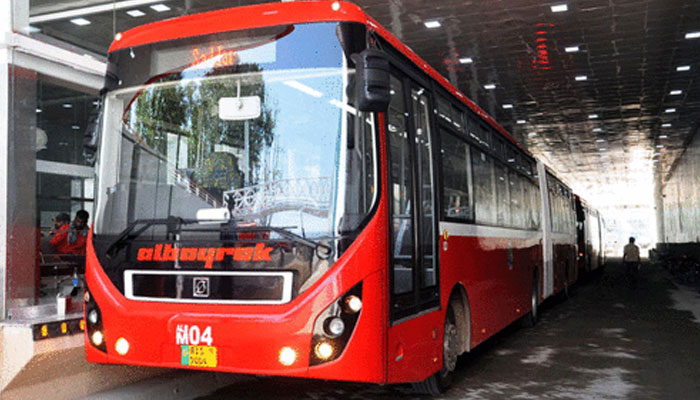
Many experts say that mass transit projects such as the Metro Bus and Orange Line Train were introduced primarily to gain urban voter support. While they provide convenience, their operational costs are heavily subsidised, making them financially unviable. The Orange Line, in particular, requires massive annual subsidies, with ticket prices kept artificially low to avoid public backlash. In a country struggling with low tax revenues and fiscal deficits, such projects raise concerns about economic feasibility.
Pakistan Steel Mills, once a key industrial project, has suffered due to political interference, mismanagement and a lack of modernisation. Instead of being privatised or restructured, successive governments continued bailing it out, resulting in billions of rupees in accumulated losses before its eventual shutdown. Similarly, rental power projects introduced as a quick fix for Pakistan’s power shortages were poorly planned, overpriced, and marred by corruption.
These projects failed to provide sustainable energy solutions and instead led to massive financial losses for the government. The airport in Islamabad, initially planned with a budget of Rs37 billion, saw its cost balloon to over Rs100 billion due to delays and inefficiencies. When it finally opened, inadequate infrastructure led to severe operational issues. Likewise, the Neelum-Jhelum Hydropower Project, originally estimated at $1.5 billion, ended up costing over $5 billion due to mismanagement and delays. While it does generate electricity, the high cost of power production and debt servicing have made it more of an economic burden than an asset.
Pakistan is not the only country where politically motivated projects exist, but stronger economic oversight in countries like Malaysia allows for quicker course correction. In neighbouring India, politically driven projects such as farm loan waivers have strained state finances without addressing core agricultural issues. The $400 million Statue of Unity, while attracting tourists, has been criticised as a political symbol rather than an economically beneficial investment. Similarly, the Mumbai-Ahmedabad bullet train has been questioned by critics who argue that upgrading India’s existing railway infrastructure should have been a greater priority. In Malaysia, the Chinese-backed Forest City real estate project aimed at boosting the economy failed to attract foreign buyers and remains largely unoccupied. Meanwhile, the government protected Proton, its national automotive company, for decades despite inefficiencies, requiring continuous taxpayer support.
Politically driven development projects often lead to financial strain rather than economic growth. While other countries have mechanisms to reassess and restructure such projects, our weak institutional oversight and excessive political interference result in long-term financial burdens. Unless economic feasibility becomes the guiding principle for development, we will continue to struggle with unproductive investments that drain national resources.







-
 Funeral Home Owner Sentenced To 40 Years For Selling Corpses, Faking Ashes
 -
 Why Is Thor Portrayed Differently In Marvel Movies?
 -
 Dutch Seismologist Hints At 'surprise’ Quake In Coming Days
 -
 Australia’s Liberal-National Coalition Reunites After Brief Split Over Hate Laws
 -
 DC Director Gives Hopeful Message As Questions Raised Over 'Blue Beetle's Future
 -
 King Charles New Plans For Andrew In Norfolk Exposed
 -
 What You Need To Know About Ischemic Stroke
 -
 Shocking Reason Behind Type 2 Diabetes Revealed By Scientists
 -
 SpaceX Cleared For NASA Crew-12 Launch After Falcon 9 Review
 -
 Meghan Markle Gives Old Hollywood Vibes In New Photos At Glitzy Event
 -
 Simple 'finger Test' Unveils Lung Cancer Diagnosis
 -
 Groundbreaking Treatment For Sepsis Emerges In New Study
 -
 Roblox Blocked In Egypt Sparks Debate Over Child Safety And Digital Access
 -
 Savannah Guthrie Addresses Ransom Demands Made By Her Mother Nancy's Kidnappers
 -
 OpenAI Reportedly Working On AI-powered Earbuds As First Hardware Product
 -
 Andrew, Sarah Ferguson Refuse King Charles Request: 'Raising Eyebrows Inside Palace'