What you need to know about ischemic stroke
Here's everything you need to know about an ischemic stroke
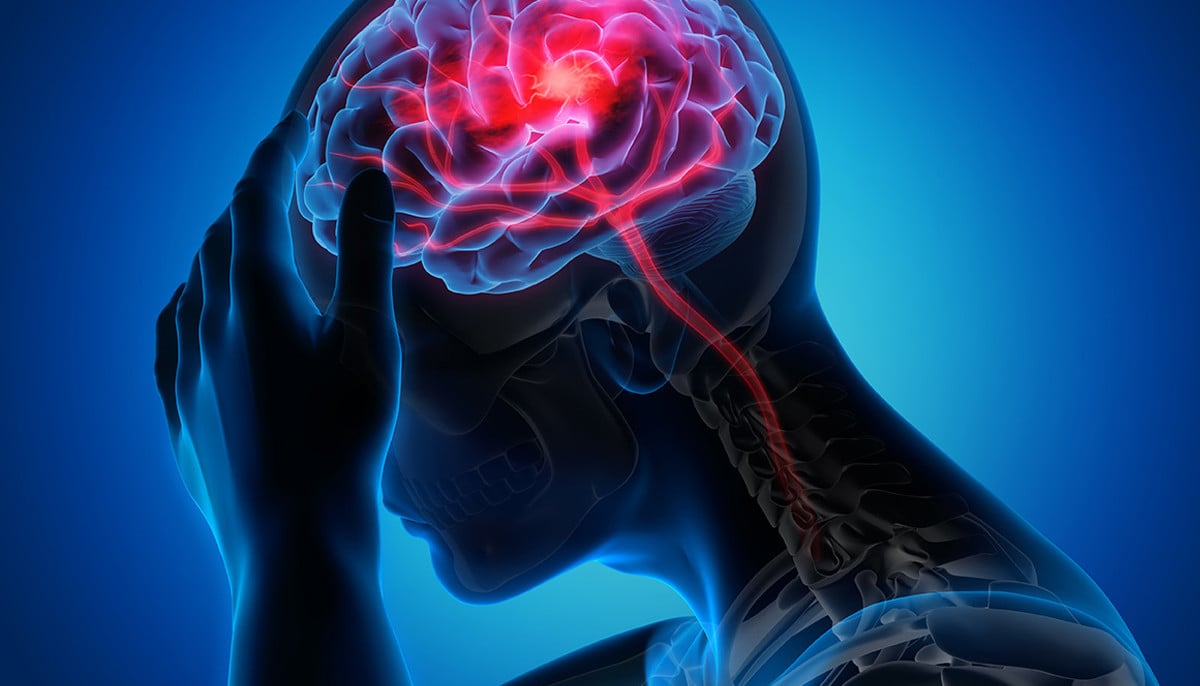
Ever wondered what an ischemic stroke is? And why it can be harmful?
An ischemic stroke happens when an artery supplying blood to the brain becomes narrowed or blocked, usually by a blood clot. Without adequate blood flow, brain cells begin to die within minutes, leading to loss of neurological function such as movement, speech, or vision.
There are two main subtypes:
Thrombotic stroke: caused by a clot that forms in an artery supplying the brain
Embolic stroke: caused by a clot that forms elsewhere in the body (often the heart) and travels to the brain
So, why does an ischemic stroke happen? Well, there are multiple reasons for stroke that make clot formation more likely:
- Atherosclerosis: buildup of fatty plaques in arteries, narrowing blood vessels
- High blood pressure: damages blood vessels over time
- Atrial fibrillation: irregular heartbeat that promotes clot formation
- Diabetes: increases vascular damage and clotting risk
- Smoking and obesity: contribute to inflammation and poor circulation
- High cholesterol levels: accelerate plaque formation
Symptoms of an Ischemic Stroke:
- Sudden weakness or numbness on one side of the body
- Difficulty speaking or understanding speech
- Vision problems in one or both eyes
- Sudden dizziness, loss of balance, or coordination
- Severe headache with no known cause
Treatment of Ischemic Stroke:
To treat a patient who has suffered an ischemic stroke, the focus is on restoring blood flow as quickly as possible.
- Clot-dissolving medications (thrombolytics) such as tissue plasminogen activator (tPA) are most effective if given within a few hours of symptom onset
- Mechanical thrombectomy may be used to physically remove large clots
- Antiplatelet or anticoagulant therapy helps prevent future strokes
- Rehabilitation therapy (physical, speech, and occupational therapy) supports recovery and functional improvement
An ischemic stroke is a life-threatening condition caused by blocked blood flow to the brain. While its effects can be devastating, early recognition and quick treatment can greatly improve outcomes.







-
 First US measles deaths of 2026 reported in Pennsylvania
 -
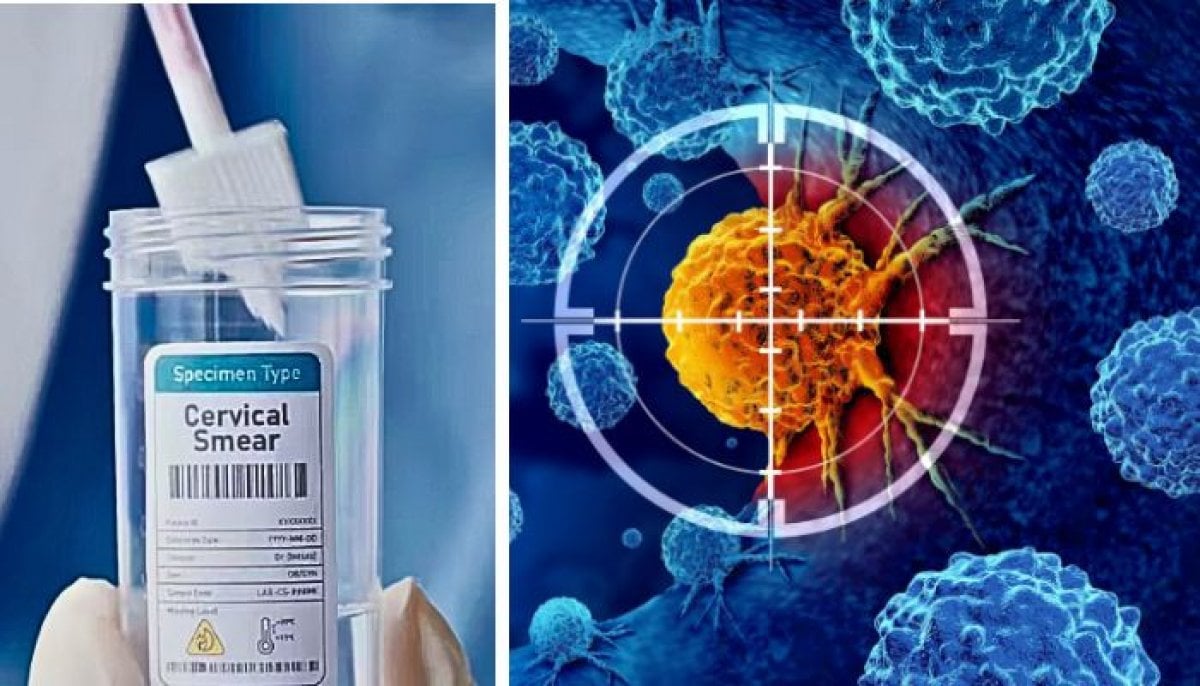 NHS England to roll out free home testing kits for cervical cancer
 -
 New study reveals irregular sleep patterns accelerate biological aging
 -
 80% of young adults already have heart risk factors: Study finds
 -
 Australia confirms first H5N1 bird flu case in mammals after seal dies due to infection
 -
 Study reveals why female immunity differs from men's–The science of the biological divide
 -
 12% of physicians report non-medical GLP-1 use in sport
 -
 Doctors warn breast cancer is surging among Asian American women
-
 France joins Canada and European nations in legalising assisted dying
 -
Moderna, Merck ‘personalized’ cancer vaccine succeeds in late-stage melanoma trial
-
UK Salmonella outbreak: Imported eggs linked to one death, hundreds sickened
-
Toronto Public Health investigates Legionnaires disease outbreak after six cases