Shocking reason behind type 2 diabetes revealed by scientists
Currently, more than 400 million people are suffering from diabetes
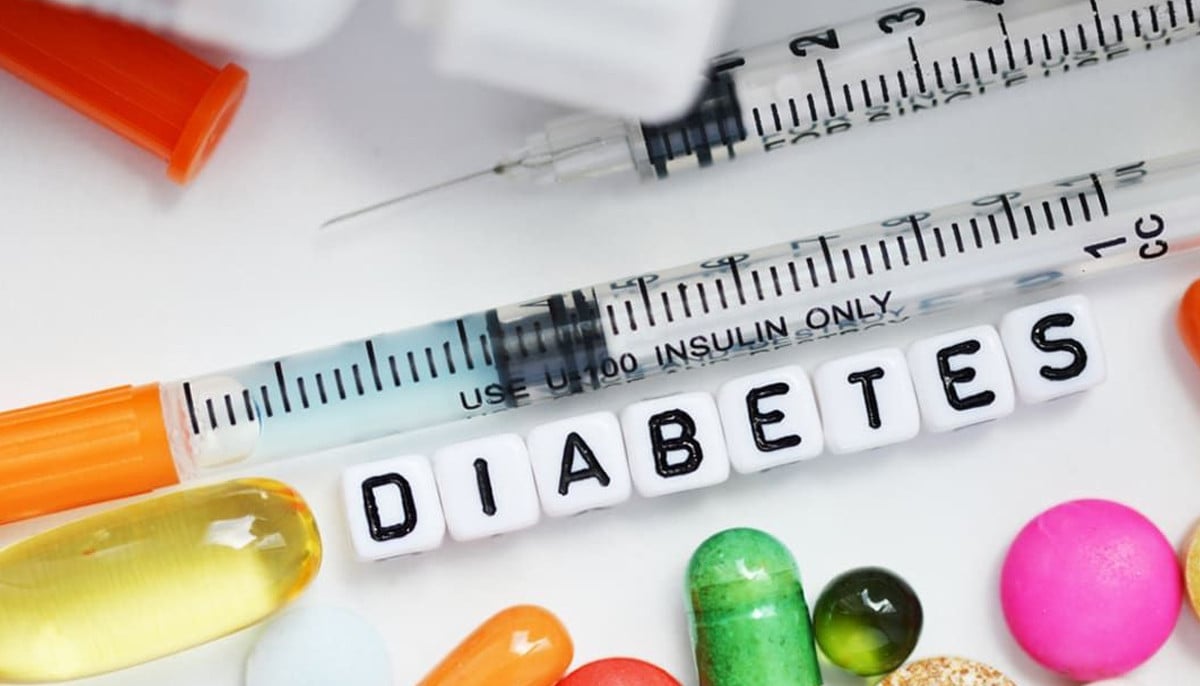
Diabetes is one of the most common chronic metabolic diseases and right now about 415 million people have diabetes, and most of them, almost 90% of them have type 2 diabetes.
This condition happens when the body cannot make enough insulin, which leads to chronically high levels of sugar in the blood.
Insulin is the hormone made by cells in the pancreas called beta-cells which helps lower blood sugar when it gets too high by assisting the cells in absorbing it.
For a long time, doctors believed that the main issue in type 2 diabetes was having too much sugar in the blood. But new research from the University of Oxford is changing that idea.
The study shows that it’s not just the sugar (glucose) itself that damages the pancreas, instead, it’s what happens to sugar once it gets inside the body’s cells. When glucose is broken down inside cells, it creates byproducts—also called glucose metabolites.
These byproducts may be the real reason why the insulin-producing beta-cells stop working overtime.
The research suggests that the process of glucose metabolism, how its broken down inside the body, may be more harmful than the sugar levels alone.
This is a big discovery because it changes how scientists and doctors might treat type 2 diabetes.
If we can find ways to slow down or change how glucose is broken down in the body, we might be able to protect the beta-cells and help people with diabetes make insulin for longer.
Keeping blood sugar levels balanced is very important for health. If blood sugar goes too low, it can make a person feel dizzy, confused, or even faint.
But if blood sugar stays too high for a long time, it can harm the eyes, kidneys, nerves, and heart.
The Oxford study, led by Dr. Elizabeth Haythorne, shows that a certain glucose byproduct builds up in the cells because of a blockage in how glucose is broken down.
This buildup supposedly causes damage to the beta-cells and makes it harder for them to release insulin. This changes the focus from just blood sugar levels to the entire process of sugar metabolism.
This research gives hope to the millions of people living with type 2 diabetes and opens the door to new ways of treating the disease.



-
 Virginia Sen. Louise Lucas indicted on racketeering and marijuana charges
 -
 France confirms world's first human case of Shamonda virus; patient dies
 -
 OpenAI agents uncover brain disease leads: Here’s how
 -
 AI tool can now predict cancer survival by a single patient selfie: Find out how
 -
 Scientists identify a new type of depression affecting 1 in 4 patients
 -
 Everything to know about US FDA’s new guidance on apps used with prescription drugs
 -
 ‘Immortal’ jellyfish could hold clues to slowing human ageing
 -
 Ebola crisis worsens in DR Congo as virus reaches eighth province with over 4,500 dead
-
 Study finds eating blueberries every day can surprisingly boost your mood
 -
Eli Lilly’s Foundayo weight-loss pill gets European approval recommendation
-
What is BPC-157? Trump administration considers easing rules on popular peptide injections
-
West Nile virus: Europe reports 141 deaths as human cases rise in 2026