
‘Gender equality an urgent necessity’
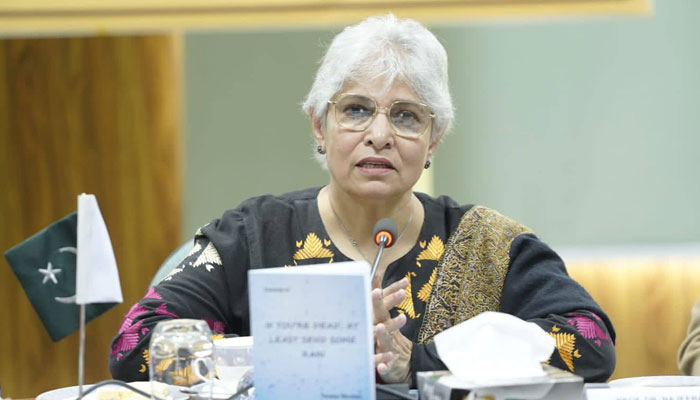
Islamabad:Pakistan Academy of Letters Chairperson Dr Najeeba Arif has said that gender equality is an urgent necessity requiring thoughtful action.
Dr Najeeba was addressing as keynote speaker at a roundtable discussion on ‘Accelerate action: strategic imperatives for advancing gender equality’ organised here by Institute of Strategic Studies Islamabad (ISSI) in connection with International Women’s Day. Dr Najeeba observed that equality should not be mistaken for uniformity. Rather than expecting women to conform to traditionally male-defined roles, their distinct contributions across all spheres must be valued. She stressed that a nuanced approach must recognise the economic and social worth of women's work, both within and beyond the household.
She opined that institutional recognition and fair compensation for domestic labour can empower women and shift societal perceptions. Future strategies should critically assess norms to avoid reinforcing outdated models, she said adding that a stable family unit is vital for nurturing well-rounded individuals and fostering social cohesion. Drawing from welfare states that support full-time caregivers, policies must adopt a balanced approach that values diversity while promoting equitable opportunities for all.
Dr Salma Malik from QAU emphasised that while Pakistan has robust legal frameworks for women's protection, their implementation remains weak, often turning the justice-seeking process into an ordeal due to societal stigma. Deep-rooted stereotypes further marginalise women, discouraging them from asserting their rights. She underscored the need for gender equity as a foundation for gender equality and highlighted the lack of structured mentorship as a major barrier to women's professional growth and leadership. Similarly,
Rashid Chaudhary, National Coordinator, FAFEN, highlighted the limitations of a tokenistic approach to women's political representation, stressing the need for genuine empowerment. He pointed out that electoral politics remains a patriarchal space, where systemic and cultural barriers limit women's participation at all levelsReem Sharif, Deputy Director, Transgender Protection Centre, called for informed discourse on gender diversity, emphasising that gender is not binary. While Pakistan’s 2018 transgender rights law was a milestone, significant gaps remain in ensuring full social and economic inclusion.
Alishba Khan, Member, ACCA’s ESG & Climate Action Committee, stressed the importance of strategic investments in education, economic opportunities and legal protections to dismantle systemic barriers. Kosar Bano, a gender expert hailing from Gilgit-Baltistan, highlighted the stark gender disparities in mountainous regions where women face extreme hardships including limited access to clean water and education. She warned that AI-driven changes and external influences are disrupting traditional roles, further marginalising women in these remote areas. Earlier, Sohail Mahmood, DG, ISSI, presented address of welcome. Neelum Nigar, Director, ISSI, also spoke on the occasion. Amna Baloch Foreign Secretary, sent a video message.







-
 King Charles, Princess Anne, Prince Edward Still Shield Andrew From Police
 -
 US Set To Block Chinese Software From Smart And Connected Cars
 -
 Carmen Electra Says THIS Taught Her Romance
 -
 Leonardo DiCaprio's Co-star Reflects On His Viral Moment At Golden Globes
 -
 SpaceX Pivots From Mars Plans To Prioritize 2027 Moon Landing
 -
 King Charles Still Cares About Meghan Markle
 -
 J. Cole Brings Back Old-school CD Sales For 'The Fall-Off' Release
 -
 GTA 6 Built By Hand, Street By Street, Rockstar Confirms Ahead Of Launch
 -
 Funeral Home Owner Sentenced To 40 Years For Selling Corpses, Faking Ashes
 -
 Why Is Thor Portrayed Differently In Marvel Movies?
 -
 Dutch Seismologist Hints At 'surprise’ Quake In Coming Days
 -
 Australia’s Liberal-National Coalition Reunites After Brief Split Over Hate Laws
 -
 DC Director Gives Hopeful Message As Questions Raised Over 'Blue Beetle's Future
 -
 King Charles New Plans For Andrew In Norfolk Exposed
 -
 What You Need To Know About Ischemic Stroke
 -
 Shocking Reason Behind Type 2 Diabetes Revealed By Scientists