
Formalising crypto
Now, government has announced plans to explore establishment of National Crypto Council
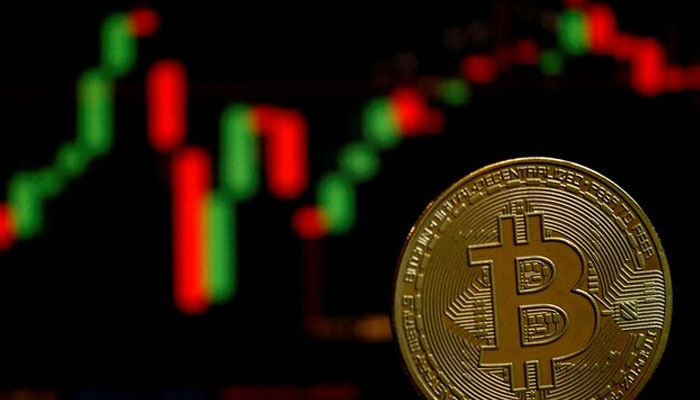
The Pakistani state might have been a latecomer to the ongoing global crypto craze, but it is certainly trying to catch up as fast as it can. Last month saw the proposal of the Virtual Assets Bill 2025, a pioneering piece of legislation designed to create a regulatory framework for the country’s rapidly expanding digital asset market, including cryptocurrencies and blockchain technologies. Now, the government has announced plans to explore the establishment of a National Crypto Council, tasked with developing regulations and frameworks for digital currencies while ensuring the stability and security of the country’s financial system. Coming off the heels of a high-level meeting on digital assets chaired by the finance minister, which also included important foreign delegates such as US President Donald Trump’s Advisers for Digital Assets, this Crypto Council will reportedly oversee policy development, address regulatory challenges and ensure that Pakistan’s digital asset ecosystem evolves in a secure, compliant, and sustainable manner. It will also collaborate with friendly countries to develop standardised frameworks for international digital economic engagement. It is hoped that both the proposed bill and council do eventually become reality and help make the lives of the over 20 million active Pakistani users in the digital assets market easier.
Currently, the enterprising Pakistanis exploring the world’s newest and most promising asset class are plagued by high transaction fees and legal ambiguities. While many major economies are well on the way towards formalising digital asset markets, Pakistani investors are still stuck in somewhat of a grey zone. One of the reasons behind the state’s reluctance to fully accept digital assets like crypto is the potential for money laundering and other nefarious activities, facilitated by the relative anonymity this asset class provides. And, to be fair, Pakistan is far from alone when it comes to being concerned about this. The debate about whether digital assets and the resulting speculation is actually good for economies is also far from settled. Many new millionaires and billionaires have been minted courtesy of the crypto boom, block chain and non-fungible tokens (NFTs). What these individuals and their businesses have actually contributed to the economy and national development remains dubious at best.
One thing that is indisputable about crypto and similar assets is their absolutely devastating environmental impact. According to UN estimates, if the cryptocurrency bitcoin was its own country, its energy consumption during the 2020-21 period would have been higher than all of Pakistan’s. This is down to the tremendous amounts of processing power it takes to mine assets like crypto currency and power block chains. And it is countries like Pakistan that will suffer the most if the mining of digital assets exacerbates global warming. All this being said, digital assets are clearly here to stay and the debate about if and how useful they really are ought to be settled in the realms of markets and technologies, not in the halls of bureaucracy. Rather than treating its emissions and energy problem as a disqualifier, the government ought to use this as an opportunity to accelerate the transition to renewable energy in order to support digital assets more sustainably. In this regard, the increasing attempts to formalise crypto and other digital assets in Pakistan are a belated step in the right direction.







-
 Gwyneth Paltrow Reveals Deep Personal Connection With Kate Hudson
 -
 Prince Harry, Meghan Markle’s Game Plan For Beatrice, Eugenie: ‘Extra Popcorn For This Disaster’
 -
 OpenAI To Rollout AI Powered Smart Speakers By 2027
 -
 Is Dakota Johnsons Dating Younger Pop Star After Breakup With Coldplay Frontman Chris Martin?
 -
 Hilary Duff Tears Up Talking About Estranged Sister Haylie Duff
 -
 US Supreme Court Strikes Down Trump’s Global Tariffs As 'unlawful'
 -
 Kelly Clarkson Explains Decision To Quit 'The Kelly Clarkson Show'
 -
 Inside Hilary Duff's Supportive Marriage With Husband Matthew Koma Amid New Album Release
 -
 Daniel Radcliffe Admits To Being Self Conscious While Filming 'Harry Potter' In Late Teens
 -
 Director Beth De Araujo Alludes To Andrew's Arrest During Child Trauma Talk
 -
 Video Of Andrew 'consoling' Eugenie Resurfaces After Release From Police Custody
 -
 'Harry Potter' Alum Daniel Radcliffe Gushes About Unique Work Ethic Of Late Co Star Michael Gambon
 -
 Japan: PM Takaichi Flags China ‘Coercion,’ Pledges Defence Security Overhaul
 -
 Angorie Rice Spills The Beans On Major Details From Season 2 Of ' The Last Thing He Told Me'
 -
 Teacher Arrested After Confessing To Cocaine Use During Classes
 -
 Questions Raised Over Andrew Mountbatten-Windsor's Line Of Succession