
Experts suggest holistic approach for NTDC reforms
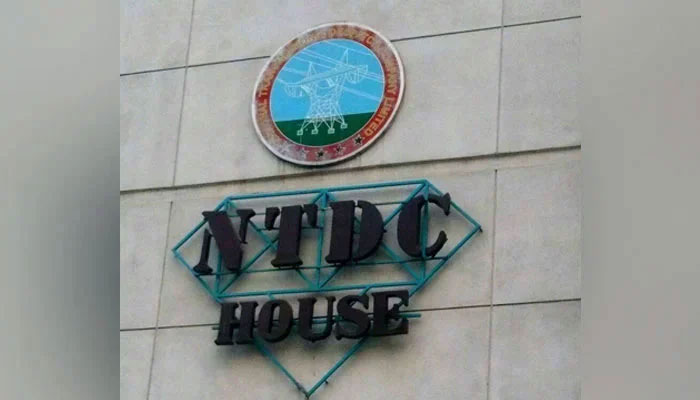
Islamabad: While the National Transmission and Despatch Company’s (NTDC) structural reforms are designed to improve accountability, efficiency and transparency, their success depends on comprehensive planning, political neutrality and systemic coordination, as restructuring alone will not bring lasting improvements, emphasised experts during a roundtable discussion.
They also called for reducing bureaucratic influence to ensure independent decision-making and prioritising national interest over institutional inertia for successful reforms. The event, titled ‘Evaluating NTDC Reforms: Tackling Transmission and Distribution Challenges,’ was hosted by the Institute of Policy Studies, whose chairman Khalid Rahman noted that issues in the power sector were not isolated but linked to broader poor governance, including institutional and political crises.
He said the challenges were caused by a deeper moral crisis at both leadership and grassroots levels, underscoring the need for prioritising collective interests and systemic reform beyond superficial restructuring.
NTDC chairman Dr Fiaz Chaudhry noted that reforms in the company were primarily focused on structural changes. He said restructuring included separating the project development function into an independent energy infrastructure development and management company to insulate it from existing institutional inefficiencies.
Also, it includes renaming NTDC as National Grid Company of Pakistan to improve the efficiency and effectiveness of transmission service delivery. Additionally, forming an Independent System and Market Operator would ensure neutrality and avoid conflicts of interest.
He underscored that it was crucial to understand the broader perspective of Pakistan’s power sector, as any financial burden or inefficiency within the sector ultimately impacts consumers through increased tariffs or adds to the national fiscal burden.







-
 King Charles, Princess Anne, Prince Edward Still Shield Andrew From Police
 -
 US Set To Block Chinese Software From Smart And Connected Cars
 -
 Carmen Electra Says THIS Taught Her Romance
 -
 Leonardo DiCaprio's Co-star Reflects On His Viral Moment At Golden Globes
 -
 SpaceX Pivots From Mars Plans To Prioritize 2027 Moon Landing
 -
 King Charles Still Cares About Meghan Markle
 -
 J. Cole Brings Back Old-school CD Sales For 'The Fall-Off' Release
 -
 GTA 6 Built By Hand, Street By Street, Rockstar Confirms Ahead Of Launch
 -
 Funeral Home Owner Sentenced To 40 Years For Selling Corpses, Faking Ashes
 -
 Why Is Thor Portrayed Differently In Marvel Movies?
 -
 Dutch Seismologist Hints At 'surprise’ Quake In Coming Days
 -
 Australia’s Liberal-National Coalition Reunites After Brief Split Over Hate Laws
 -
 DC Director Gives Hopeful Message As Questions Raised Over 'Blue Beetle's Future
 -
 King Charles New Plans For Andrew In Norfolk Exposed
 -
 What You Need To Know About Ischemic Stroke
 -
 Shocking Reason Behind Type 2 Diabetes Revealed By Scientists