
Escalating conflict syndrome
Streak of light at end of dark tunnel should keep generating hope that one is on right path
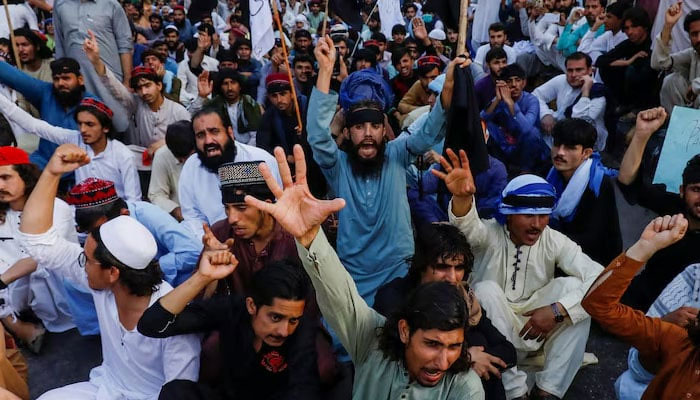
The wars one fights with external enemies have their own relevance, but the wars one wages within are far more important because a country engaging in confrontation based solely on misperceived assumptions or accusations is a country on the brink of falling.
The history of the world is replete with countless deadly conflicts, some even having changed the course of times, but each also left behind a lesson that war is a distasteful phenomenon which should be avoided to the utmost. Instead, solutions should be sought through a process of negotiations no matter how long it may take, no matter how disappointing it may get. The streak of light at the end of a dark tunnel should keep generating the hope that one is on the right path.
While there may be outside compulsions necessitating conflict, it is because of factors within that it assumes an even more harrowing dimension. This aspect can relate to both domestic conditions or the ambition of individuals that override the need to introspect and pull back. Such kinds of conflicts are usually more vicious and likely to rage on longer than the average because human ambition has no limits to define its scope. Compulsive in nature, it increases further if it also meets with success, no matter how trifling and how meaningless it may be in the overall context.
Its destructiveness is another ingredient with lessons to keep away from it. Albert Einstein encapsulated it effectively: “I know not what weapons World War III will be fought with, but World War IV will be fought with sticks and stones”.
Gruesome that war is, why is it that there is an increasing appetite for this monstrous infection? If one looks at the last 50 to 100 years, it becomes apparent that one or more parts of the world have been consistently burning in the flames of war. The recent genocide has no parallel in world history, both in how mercilessly and how inhumanly it has been conducted. No one, literally no one, was spared – be it men, women, children, young, old or newborn, the enfeebled and the disabled. They were all burnt to ashes in fire pouring on them from all directions
According to conservative counts, more than 100,000 people perished before an unjust solution was imposed on the weaker side. A whole city was razed to the ground as the world watched in silence. And now plans are being enacted to take their home from them and turn it into some upmarket habitat to make money from.
Not only that there is injustice throughout the world; it continues to increase with time. The values of yesteryears that societies lived by have been cruelly replaced with the greed of the current times. No one seems satisfied with any quantum of riches. It appears as if human lust increases in direct proportion to the wealth that one may accumulate. There is no end to this undying hunger.
The conflicts raging within human beings which propel them to take the course to war are even more inexplicable. From piling on power and pelf, they also encompass the need to cater to tonnes of ego. This ailment has no limits. It continues to sprout forth annihilating any prospects of living in peace, both within as well as with elements outside. It is this inborn ingredient which wants to take charge of everything around to assuage rampaging stocks of ego within. While there may be ways and methods to control even the most destructive wars, it is this grossness within which defies the possibility of being handled and kept within the bounds of manageability.
But conflicts must be controlled. A country left to simmer in the flames of divisions within and confrontations beyond is bound to become weaker with time. It is always advisable to divorce this battle mould and espouse a constructive approach based on credible data and justice. A structure which does not stand on strong foundations is bound to come crashing down at some point, causing enormous damage including loss of lives.
This is where leadership assumes a key role. Being partisan is the easiest thing to do as it is in keeping with natural human instinct and impulse. But taking a position that would be for the benefit of a larger cross-section of people, across dividing allegiances, is a mammoth challenge, particularly in times raging with sharp divisions. This is where we are today, confronted with the task of devising and taking steps to initially lessen the intensity of conflict and then moving on to providing the ointment to heal the wounds. Palliative care should replace the sharp-edged tongues and implements that only cause pain and suffering.
If we succeed in arriving at a broad consensus that such an undertaking should be initiated, this will be followed by a huge curative process which must begin with facing the core realities we have lived through and how best can we erase their negative impact. While each participant will come to the table with their own set of such realities, yet by following a pragmatic process of sifting the right from the wrong and the tenable from the untenable, we can come to an understanding about the core issues we are faced with. It is then that we’ll have to move on to devising a mechanism to deal with the stockpile of challenges that we would have placed before us.
But certain other things hold pivotal importance in dealing with the syndrome of conflict. In pursuing the coveted goal, it must be ensured that unencumbered justice becomes the fountainhead of all interactions. It cannot be that a particular set of people are pushed under the guillotine leaving the field to others to make merry.
It cannot be that institutions of the state combine to deprive some of their rights leaving the rest to enjoy theirs. It cannot be that unwarranted intervention by power echelons leads to creating disparity among people to the advantage of a chosen few. It cannot be that the right of governance is taken from those whom the people voted for and bequeathed upon those who were routed at the hustings.
No earnest effort for securing harmony among feuding people can begin with the prevalent disparities in violation of every word contained in the statute book. Securing equal rights for all remains the critical prerequisite for initiating a process of reconciliation. Do we have the people who realise the centrality of this challenge? Do we have the people with the courage to drive some sanity across the spectrum of power wielders?
We must not forget that a conflict-riddled society attracts predators and an edifice standing on injustice is prone to collapsing.
The writer is a political and security strategist and the founder of the Regional Peace Institute. He is a former special assistant to former PM Imran Khan and heads the PTI’s policy think-tank. He tweets @RaoofHasan







-
 BAFTAs 2026: Kerry Washington Makes Debut In Custom Prada Gown
 -
 Jennifer Lopez Gets Emotional As Twins Max And Emme Turn 18
 -
 Andrew Mountbatten Windsor Blunders Are Result Of 'conspiracy Of Silence'
 -
 Keith Urban Fires Entire Management Team After Divorcing Nicole Kidman
 -
 Kylie Jenner Marks Death Anniversary Of Hairstylist Jesus Guerrero With '222' Tribute
 -
 Daniel Radcliffe On How It's Like Seeing New Harry Potter Cast Years Later
 -
 Andrew Portrait Makes Unexpected Debut At Louvre Museum Over Epstein Protest
 -
 Italy: Skeleton Of Saint Francis Of Assisi’s Goes On Public Display For First Time After 800 Years
 -
 Hailey Bieber's Subtle Gesture For Eric Dane’s Family Revealed
 -
 Moment Prince William 'broke Down' And 'apologised' To Kate Middleton
 -
 Paul Mescal And Gracie Abrams Stun Fans, Making Their Romance Public At 2026 BAFTA
 -
 EU Rejects Any Rise In US Tariffs After Court Ruling, Says ‘a Deal Is A Deal’
 -
King Charles Congratulates Team GB Over Winter Olympics Success
-
 Meryl Streep Comeback In 'Mamma Mia 3' On The Cards? Studio Head Shares Promising Update
 -
 Woman Allegedly Used ChatGPT To Plan Murders Of Two Men, Police Say
 -
 James Van Der Beek's Widow Mourns Eric Dane Days After Husband's Death