
E-commerce: a catalyst for SME growth
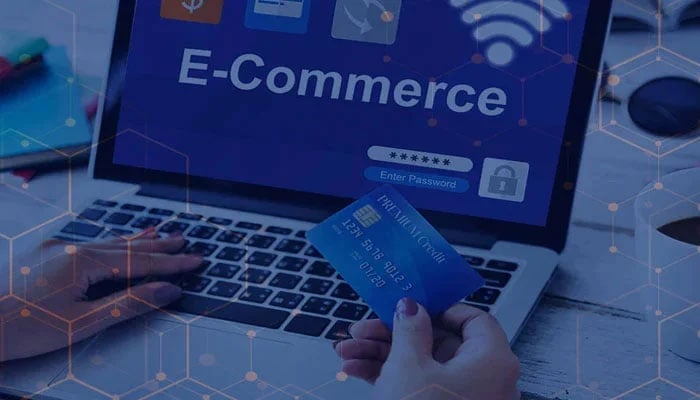
LAHORE: The advent of e-commerce presents a significant opportunity for small and medium-sized enterprises (SMEs), which are integral to Pakistan’s economy, comprising over 90 per cent of all enterprises and contributing approximately 40 per cent to the nation’s GDP.
Through e-commerce, businesses can expand their reach, reduce operational costs and enhance overall efficiency. It enables SMEs to overcome geographical limitations, granting access to both national and international markets -- an advantage particularly relevant in a country where traditional retail infrastructure remains limited.
By adopting online platforms, SMEs can reduce expenses related to physical storefronts and intermediaries, resulting in streamlined operations and improved profit margins. Digital platforms also facilitate direct customer interaction, allowing for personalised marketing and more responsive service.
Many traditionally offline businesses face difficulties in integrating with e-commerce. SMEs, particularly those in rural areas, struggle with limited digital literacy and inadequate technological infrastructure, which hinder their ability to engage effectively in online commerce. The absence of a comprehensive regulatory framework and restricted access to digital payment solutions pose further obstacles. For example, the unavailability of global payment systems like PayPal in Pakistan limits seamless financial transactions for SMEs.
Building consumer trust in online transactions remains a challenge, with concerns over data security and fraud deterring both businesses and customers from fully embracing e-commerce.
The government must implement targeted strategies to facilitate e-commerce adoption. Investing in digital literacy programmes and providing training for SME owners and employees can help bridge the knowledge gap, enabling effective utilisation of online platforms.
Enhancing internet accessibility and reliability, particularly in underserved regions, is crucial for the widespread adoption of e-commerce. Developing clear and supportive e-commerce policies, including the facilitation of digital payment systems, can create an enabling environment for SMEs to thrive online.
While e-commerce offers substantial benefits for Pakistani SMEs, realising its full potential requires addressing existing challenges through concerted efforts from both the public and private sectors.
As of 2022, Pakistan’s online retail market was valued at approximately $3.9 billion, with the electrical and electronics retail segment accounting for the largest share at $1.9 billion, or 48.9 per cent of the sector’s total value.
Although specific data on the percentage of total retail sales conducted online in Pakistan remains limited, the sector is experiencing significant growth. Projections indicate that by 2025, the market volume could reach $9.15 billion, with an expected annual growth rate of 6.09 per cent between 2022 and 2025.
It is important to distinguish between digital payments and online retail sales. Recent reports indicate that digital transactions accounted for 83 per cent of total retail payments in Pakistan during the third quarter of FY2023-24. However, this figure includes all forms of digital payments, including in-store transactions facilitated by digital means, rather than exclusively representing online retail sales.
While Pakistan’s e-commerce sector is expanding, its online retail penetration is still developing and may not yet align with global averages. The growth trajectory suggests a positive trend, but more comprehensive data is needed to accurately assess the share of online sales within Pakistan’s total retail landscape.
Online sales in Pakistan began in the early 2000s, but the sector remained relatively small due to low internet penetration and limited digital payment options. Some of the earliest e-commerce platforms were classified websites.
The real growth of online shopping in Pakistan started around 2012-2014 with the launch of platforms like Daraz (2012). The rise of cash-on-delivery (COD) as the preferred payment method played a crucial role in expanding e-commerce. By the mid-2010s, increased mobile internet access and the introduction of digital payment solutions further accelerated online sales.


