
P2P revolution
Banks have high transaction fees, processing fees and maintenance fees, banks are non-democratic
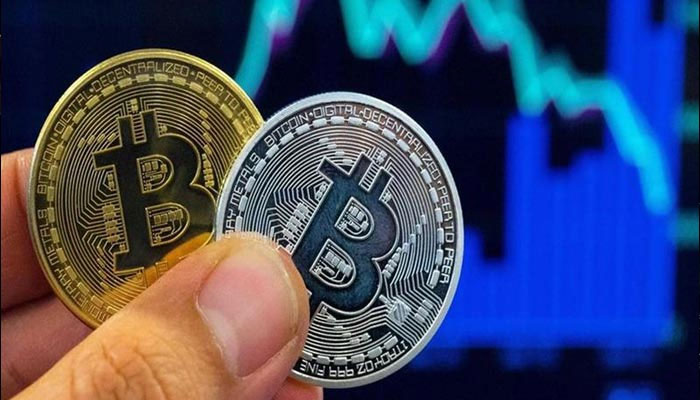
Peer-to-Peer (P2P) refers to a decentralised system where individuals directly exchange assets, services, or information without relying on intermediaries like banks or financial institutions. P2P systems empower individuals to interact directly with each other. P2P systems offer three key advantages: increased user control, reduced transaction costs and enhanced financial inclusivity.
Banks are centralised. Banks intermediate transactions. Banks control the flow of funds between borrowers and lenders. Banks have a hierarchical structure. Decision-making in banks is concentrated at the top. Banks allocate credit. Banks control the movement of money. Banks have high transaction fees, processing fees and maintenance fees. Banks are non-democratic.
P2P eliminates intermediaries. P2P gives individuals control over their financial transactions. P2P allows users autonomy. P2P has extremely low transaction fees, no processing fees and no maintenance fees. P2P can provide access to financial services for individuals who may be excluded from traditional banking systems. P2P can provide access to credit, investment opportunities and remittances. P2P platforms are democratising access to financial services.
Lo and behold, P2P technology is not an incremental improvement upon the existing banking infrastructure; P2P actually represents a fundamental shift in the very fabric of finance. P2P circumvents traditional intermediaries like banks empowering individuals to take control of their own finances. P2P is seriously challenging the 200-year old dominance of centralized institutions. The P2P decentralised revolution has the potential to transform how we borrow, lend, invest, and conduct financial transactions. P2P is ushering in a new era of financial inclusion and empowerment.
Imagine: of the 240 million Pakistanis 180 million do not have a bank account. Yes, P2P platforms offer a lifeline to the 180 million unbanked Pakistanis. Imagine: Pakistani banks made Rs572 billion in profits last year. Yes, banks perceive P2P as a potential threat to their profit and their dominance in the financial landscape. Banks feel threatened for erosion of market share, disruption of core business lines, competition for deposits, and competition for lending and price pressure.
Pakistan’s civil society, bolstered by a dynamic tech sector and an advanced understanding of decentralised technologies, is notably ahead of the country’s policymakers. The Securities and Exchange Commission of Pakistan (SECP) and the State Bank of Pakistan (SBP) continue to adhere to outdated regulatory frameworks. Rather than fostering innovation and leveraging the transformative potential of P2P technologies, the government seems more focused on maintaining an environment of regulatory ambiguity, stifling the very innovations that could usher Pakistan into the digital age.
Red alert: The P2P revolution is upon us. Pakistan boasts a vibrant digital landscape and a tech-savvy population but Pakistan’s regulatory framework remains tethered to the past. The SECP and the SBP, seemingly more concerned with protecting the interests of established financial institutions, risks stifling innovation and denying millions of unbanked Pakistanis access to the transformative potential of decentralised finance. The time for decisive action is now. Pakistan must embrace the P2P revolution, modernise its regulatory framework, and foster an environment where innovation can flourish. The future of finance belongs to those who embrace the decentralised future – and Pakistan risks being left behind if it fails to adapt.
The writer is a columnist based in Islamabad. He tweets/posts @saleemfarrukh and can be reached at: farrukh15@hotmail.com







-
 Three Levels Of AI Leadership Every CEO Needs
 -
 ‘It's Time To Say Goodbye’: Gary Stevenson Pauses YouTube Channel Amid Mental Health Struggles
 -
 Japanese Football Legend 'King Kazu' Makes History With Goal At 59
 -
 Royal Expert Reflects On Prince William's Warning To Harry About Meghan Markle
 -
 'Frustrated' Meghan Markle Finally Distances Herself From Royal Title
 -
 US-Russian Space Crew Returns To Earth After Eight-month Mission On The International Space Station
 -
 Viking 1 Mars Landing: 50 Years Since First Photos
 -
 Prince Harry Feeling 'quite Hopeful' For Reconciliation With William: Here's Why
 -
 Lamine Yamal Strongly Warned About Romance With Girlfriend Ines Garcia
 -
 Lamine Yamal’s Girlfriend Ines Garcia Hits 4 Instagram Followers After Spain’s World Cup Win
 -
 US Sports Betting Nears $300 Billion As Experts Warn Of Addiction Risks
 -
 King Charles Takes 'huge Offence' To Prince William For Major Reason
 -
 ‘Fevered & ‘intellectually Challenged’ Prince Harry Sparks Worse Marital Problems With Meghan
 -
 Are We Closer To A Real-life ‘genie’ That Grants Any Wish: Here's What Sam Altman Thinks
 -
 Job Bon Jovi’s Mid-stage Exit Sparks Longtime Friend To Come Forward
 -
 Global Semiconductor Market Set To Pass $1tn In 2026