Global semiconductor market set to pass $1tn in 2026
TSMC and NVIDIA anchor a chip supply chain now central to global AI infrastructure investment
Chips that make up less than 0.2 per cent of all semiconductor shipments now generate roughly half the industry's revenue, a distortion that shows how completely artificial intelligence has reshaped the global chip trade.
The market for semiconductors is set to pass the $1tn revenue threshold in 2026, driven by demand for silicon in artificial intelligence (AI) infrastructure. Within that figure, chips embodying high-value, generative AI technologies will account for nearly 50% of the market value, despite being a small fraction of total units.
The 5 largest technology hyperscalers globally have allocated over $600bn in AI data centre investment this year, highlighting the concentration of demand.
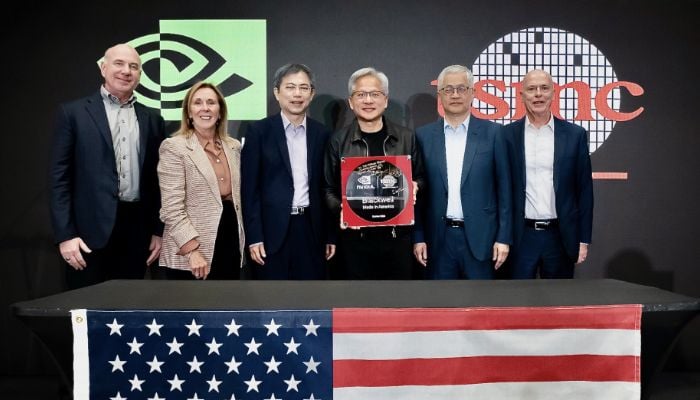
Meanwhile, the production of a single 3-nanometre chip requires 6 months of manufacturing, and Taiwan Semiconductor Manufacturing Company (TSMC) produces 90% of the most sophisticated processors in the world.
This makes it the single point of failure in the supply chain for AI development, putting governments and firms at risk if anything were to interrupt the process.
NVIDIA reported revenue of $215.9 billion, cementing its position as the default hardware supplier for training AI models. Beyond processors, high-bandwidth memory has become its own chokepoint, with most global capacity already committed through 2026 and total memory market revenue estimated at $594.7 billion for fiscal 2026.
Due to the contribution of AI capabilities to the economic and military potential of a state, semiconductor supply chains are now considered a strategic asset that requires protection beyond commercial interests.
Countries leading in the design and fabrication of chips are positioned to benefit most from the coming AI boom.


-
 Google Cloud introduces Gemini agent for work
 -
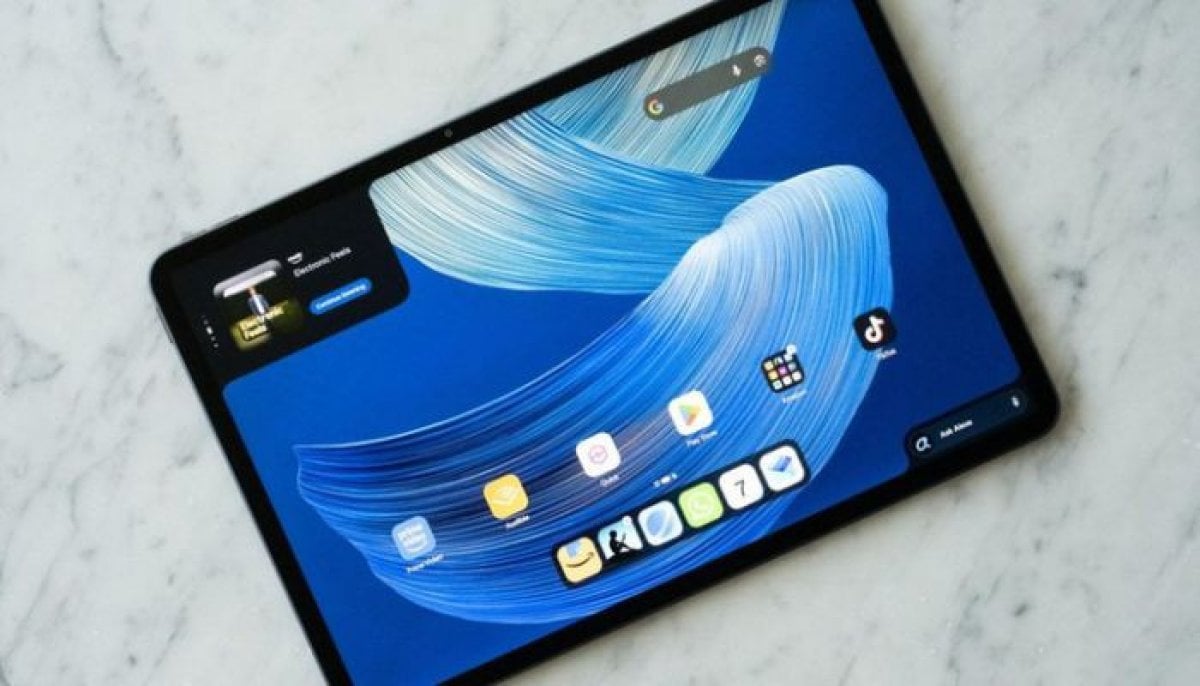 Amazon launches premium Alexa tablets to challenge iPad: What to know
 -
 Italy, EU launch probe into Microsoft-owned gaming companies
 -
 Andrew Garfield says playing Sam Altman left him scared of AI
 -
 TikTok strengthens AI transparency & safety efforts to help navigate AI-generated content
 -
 ASOS data breach: What hackers accessed from customer accounts revealed
 -
 Nestlé CEO says AI skills go far beyond writing good prompts
 -
 WhatsApp Status double speed is finally coming to Android