What happens if the internet goes down for good?
Only 32% of Americans feel confident their disaster prep would actually help them, FEMA finds
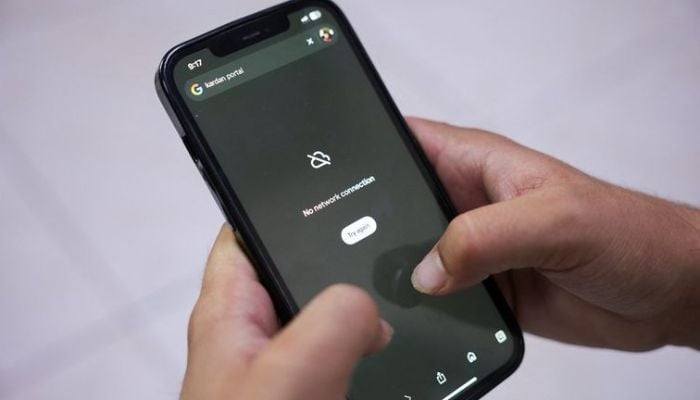
A storm knocking out your power for a few hours is one thing. A cyberattack, grid failure, or infrastructure breakdown that takes out the internet across an entire state or region is another matter entirely, and most Americans have no plan for it.
FEMA's 2024 National Household Survey found that while 83% of respondents had taken at least three preparedness actions, only 32% felt confident those steps would actually help them survive a disaster.
According to Robert Siciliano, a security analyst and an author who specialises in identity theft and fraud prevention, blackouts are bound to happen due to the ageing and patchwork of the country's infrastructure.
This is because the electrical grid in the country is just about 120 years old and can experience blackouts in some regions. Siciliano has recommended that all people stock up on food, water, batteries, and power sources.
Sean Gold, owner of the preparedness site TruePrepper and a former Air Force emergency manager, recommends layering backup access methods.
A cellular hotspot can bridge a day or two of outages but becomes unreliable if cell towers themselves are overloaded or down. For wider disruptions, Gold pointed to satellite options: Starlink runs $80 to $120 a month plus $349 in equipment, while Hughesnet starts at $49.99 a month on a two-year contract, and Viasat starts at $69.99 a month.
Starlink's Roam plan, aimed specifically at backup use, costs about $500 upfront with a $50 monthly fee that can be paused indefinitely when not needed.
As a noted expert in emergency management with over 30 years of experience, Chris Reynolds cautioned that since banking is completely dependent on the internet, any outage may prevent people from accessing their money through ATMs and card machines.
He suggests having small bills stored in a safe and waterproof place and using a prepaid card that is kept apart from all your other accounts. In his turn, Jeremy Gocke, the CEO of Entropy Survival, a disaster retailer, said that people should develop a “pre-internet failure family plan” that would include a meeting place, a check-in time, and a go-to person for communications using a satellite communicator or a two-way radio in case of total cellular communication failure.


-
 Meta faces pressure as publishers and advertisers urge EU, UK to suspend new terms
 -
 Cybersecurity warning: Major websites face potential global threat
 -
 Tesla, SpaceX merger could create $3.5tn giant
 -
 Meta sued in Australia over alleged social media addiction among children
 -
 US bank accounts at risk as unauthorised AI agents gain access
 -
 Tesla app 4.62 adds iPad support in 2 columns
 -
 PHP security vulnerability triggers millions of exploit attempts, Cloudflare warns
 -
 Is Apple’s iPhone Duo worth buying? Marques Brownlee weighs in