
AI love: cute or creepy?
Is world ready for such technology to take over and gratify our need for connection in coming times?
At a time when speed and convenience dictate our interactions, a new trend has appeared: virtual friendships. AI-powered chatbots that can chat with us, understand our preferences and speak to us like humans are now becoming deeply personal and – for some – romantic partners.
What might appear odd at first is the creation of attachment with lines of code, but artificial intelligence companions are becoming increasingly popular in providing emotional support and even filling the vacuum of loneliness. But a question still lingers: is the world ready for such technology to take over and gratify our need for connection in the coming times?
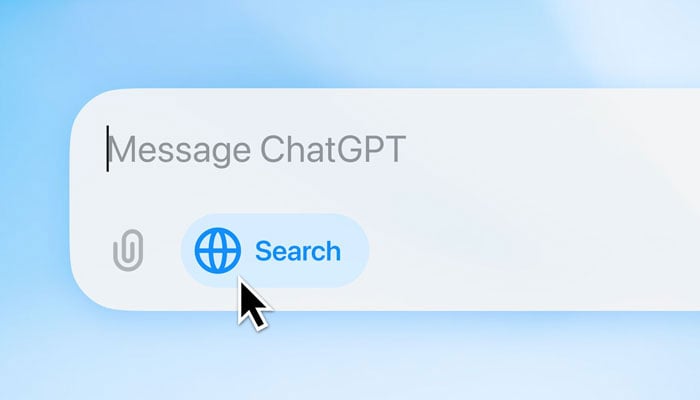
Once only presented in sci-fi literature or film, AI friendships are a reality today. Virtual friendship and relationship apps like Replika allow users to build their own AI avatars to have conversations with, provide verbal support and even mimic romantic gestures. ChatGPT’s version 4.0 also allows users to communicate with the AI bot over a phone call – a development that has attracted many subscribers.
Digital beings can be a source of solace for people who experience social isolation, loneliness or anxiety. These AI companions tailor themselves specifically to each user by being incredibly attentive, patient, and non-judgmental – characteristics that are sadly hard to find in our everyday fast-paced and distracted society.
Although AI friendships are appealing, they also come with moral and psychological issues attached to them. “Digital connections and the sociable robot may offer the illusion of companionship without the demands of friendships”, says Dr Sherry Turkle, an American psychologist and the author of ‘Alone Together’.
The appeal of AI companionship might make us adjust our perception of relationships, leaving us yearning for constant support and immediate satisfaction from others. Real human relationships require effort, compromise and patience, and if these become too pervasive, they can erode our real-time relationship experiences.
The psychological effects of AI companionships are still in the early stage of development. When dealing with AI with an almost human-like feel, the blurred boundaries can result in misunderstandings of attachment. A person’s dependence on an AI companion for acceptance and encouragement might make things much trickier when searching for real human connections. However, this dependence can make social isolation worse- or at least that’s what scholars warn. It could even compel humans into believing that all our relationships ought to be as straightforward as AI interactions turned out to be.
The use of AI companions raises legitimate ethical concerns over how it might take advantage of consumers. A report by The New York Times states that the outlet has sued OpenAI and Microsoft for allegedly using millions of articles to train chatbots without consent. AI companions are designed to keep users engaged, but they collect data to mimic interactions, which raises privacy concerns.
What happens to this private, customer data? Can it be used to coerce vulnerable people or promote compulsive behaviours? The companies that create these AI technologies may argue that they are only meeting customers’ demands, but we also need to be attentive in examining who will profit from this partnership: the user or the firm?
We also need to consider how AI companionship relates to the rising toll of mental health concerns. While some mental health experts argue AI companions could help pierce the veil of isolation, it is important to understand the differences between temporary solace and lasting solutions. According to a study by the University of Florida on AI therapy tools, “Unlike human therapists, AI bots are not good at interpreting social context or intervening in a crisis.”
As a main companion, using AI could do more harm than help with mental health development. Reciprocal empathy, push, and personal development by real human relationships are essential parts of emotional resilience. No matter how advanced, an AI can never replace the complexities of human interaction. The potential dangers of emotional dependency, data privacy concerns, and altered outlooks of actual relationships may outweigh the benefits. Are we truly ready to let AI play such an intimate role in our lives?
Careful use of these technologies is essential as we continue into this era of digital companionship. There should not be total reliance on AI-backed companionships to fill gaps in real human relationships. Perhaps the true value of AI companions is not in their patterns of interactions but rather in the way they serve as a constant reminder of the priceless importance of interpersonal relationships.
We should remember that the messy, difficult and unpredictable nature of human connection is exactly what makes it valuable – despite the temptation to enter into relationships that are meant to satisfy us.
The writer is a freelance contributor.







-
 Kylie Kelce Explains Why She Avoids Raising Kids With 'silver Spoon'
 -
 Meghan Markle Is Above Royal Family ‘empty Threats,’ Says Insider
 -
 Anne Hathaway Opens Up About 'defeated' Feeling As Working Mom
 -
 Shamed Andrew Should Testify In Epstein Case As ‘act Of Service’
 -
 What Really Happened Before Nicholas Brendon Was Found Dead At Home?
 -
 Sarah Ferguson Branded ‘most Famous Missing Person’ In UK Right Now
 -
 Why King Charles Does Not Need A Driving License? Expert Reveals
 -
 Did Graham Norton Really Sign NDAs For Taylor Swift’s Wedding?
 -
 ‘Polite’ King Charles Treats Staff Better Than ‘boorish’ Andrew
 -
 Princess Beatrice's Husband Raises Eyebrows With Deleted Instagram Post
 -
 Dua Lipa 'snubs' Priyanka Chopra
 -
 Will Taylor Frankie Paul Still Get Her 'Bachelorette' Salary?
 -
 'Harry Potter' Returns: First Glimpse Of HBO's New Series
 -
 Ryan Gosling Credits His Kids For Key Detail In New Role
 -
 Prince William, Kate Middleton Mark 'historic Moment'
 -
 Why Roberts Pattinson Says Couples 'ruin' Their Big Day Amid Suki Waterhouse Wedding Rumors?