
T-bills yields fall by 5-100bps on rate cut bets, investors await policy meeting
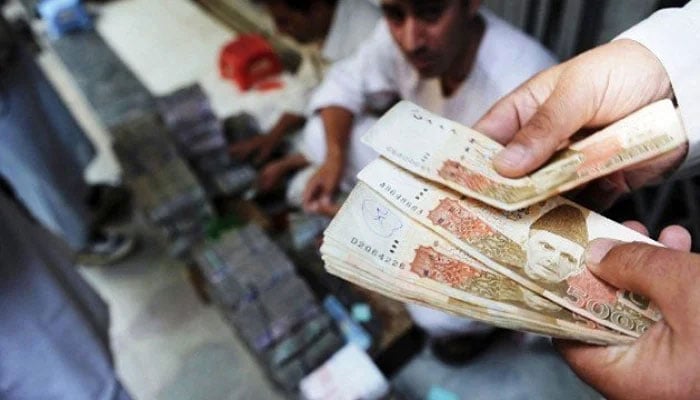
KARACHI: Market Treasury Bill yields dropped on Wednesday as traders priced in a significant rate cut from the State Bank of Pakistan (SBP) next week due to a continued decline in inflation.
The cut-off yield on the three-month T-bill was down by 100 basis points (bps) to 12 per cent. The six-month paper yield decreased by 89bps to 12 per cent. The yield on the 12-month bond dropped by 5bps to 12.3 per cent.
With inflation projected to remain low, investors showed increased interest in longer-term instruments. The auction received strong participation, with bids totalling Rs1.929 trillion against a target of Rs1.2 trillion and a maturity of Rs2 trillion. The government successfully raised Rs1.256 trillion through this auction of Treasury bills.
Investors and analysts widely expect that the SBP’s Monetary Policy Committee (MPC) will cut interest rates further when it convenes on Monday. In November, the SBP reduced its key interest rate by 250bps to 15 per cent, marking the fourth consecutive rate reduction since June, totalling 700bps. Analysts suggest that the market is currently pricing in a nearly 250bps chance of a policy rate cut at the SBP’s meeting on December 16.
“Based on auction results, market participants expecting a 200 to 250bps cut next week,” said Mohammed Sohail, CEO at Topline Securities. Consumer price index (CPI) inflation for November was recorded at 4.9 per cent, which is below the SBP’s target range of 5-7 per cent. CPI is expected to remain in single digits for the coming months.
Sufficient real rates are necessary to manage any external or budgetary shocks. To absorb the impacts of a potential mini-budget and any external shocks, analysts anticipate that the central bank will maintain a positive real rate in the range of 300-400bps in the medium term, aligned with forward-looking inflation expectations.
Additionally, the SBP aims to support the country’s struggling economy through lower interest rates. “Yield curve also flattened which was earlier inverted. And now it started to become normal yield curve,” said Saad Hanif, head of research at Ismail Iqbal Securities.
“The yield curve’s normalisation signals improving investor confidence, easing inflation expectations, and potential interest rate cuts in Pakistan. It reflects optimism about macroeconomic stability and reduced sovereign risk,” Hanif added.
Other economic indicators, besides inflation, lend credence to the call for further rate cuts. The country posted a $218 million current account surplus in the first four months of the fiscal year 2025, compared with a deficit of $1.528 billion in the same period last year. As of November, the foreign exchange reserves held by the SBP amounted to $12 billion, which is sufficient to cover more than two months of imports.


