
Omar-e-Rawan: Silent mental health crisis prompts launch of initiative for ICT schools
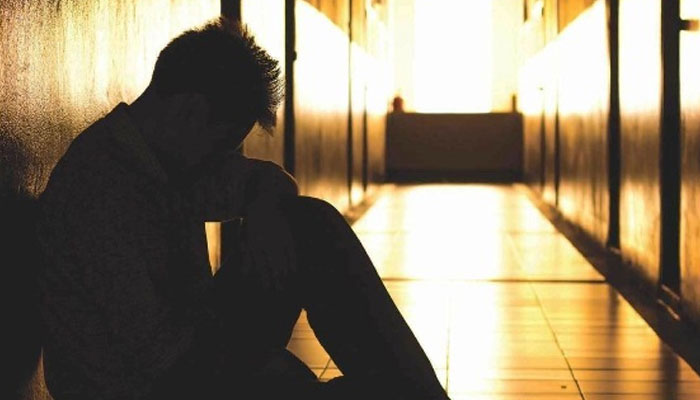
Islamabad : Amid a growing 'silent epidemic' of mental health issues, particularly among adolescents, the Federal Ministry of Education and Professional Training, in collaboration with the Global Institute of Human Development (GIHD), Shifa Tameer-e-Millat University has launched ‘Omar-e-Rawan’ – a groundbreaking initiative designed to tackle mental health challenges in Islamabad Capital Territory (ICT) schools.
Speaking at the launching ceremony at a public girls' college in Islamabad, Federal Secretary, Ministry of Education and Professional Trainings, Mohyuddin Wani revealed alarming figures, about deaths by suicide in young people in Gilgit-Baltistan between 2021 and 2024. “Mental health remains a taboo topic in our society, leaving individuals and families to suffer in silence,” he said. The initiative aims to normalise seeking psychological help while equipping students, teachers, and parents with tools to promote emotional well-being.
In collaboration with Global Institute of Human Development (GIHD), Shifa Tameer-e-Millat University (STMU), Omar-e-Rawan incorporates a multifaceted program focusing on mental health awareness, early detection and intervention, and support services. Over the next year, the program will train headteachers and teachers in an online school mental health program that incorporates evidence-based strategies to enhance the emotional well-being of students and teachers’ wellbeing. Additionally, 300 psychologists will be trained and certified to provide tailored psychosocial support within schools. The program also has self-help digital tools, such as mobile apps and chatbots, to make mental health resources accessible, while conducting school-wide screenings to identify at-risk students and offering targeted interventions for both students and parents.
Prof Dr. Muhammad Iqbal Khan, Vice-Chancellor of Shifa Tameer-e-Millat University, emphasised the critical need for intervention, noting that 30% of Pakistan’s population suffers from mental health issues and diabetes. “The nation is becoming both mentally and physically unwell,” he remarked, praising the program for integrating global best practices with localized research. He highlighted the role of universities as a beacon of research and education to address the pressing local needs.
Dr. Syed Usman Hamdani, a leading mental health expert and founding director of GIHD, STMU hailed ‘Omar-e-Rawan’ as a crucial step in addressing societal stigma around mental health. “This program not only emphasises early detection but ensures the availability of robust psychosocial support systems for students, teachers and parents,” he said.
He maintained that in Pakistan, mental health disorders affect approximately 30 percent of the population, with women and young people disproportionately impacted. A study by the Global Burden of Disease found that depressive and anxiety disorders are among the leading causes of disability in the country. The stigma surrounding mental health prevents many individuals from seeking treatment, leaving conditions unaddressed and worsening over time, he said, adding that surveys conducted in Pakistan’s urban and rural areas highlighted that up to 27% of students in secondaryschools are at risk of poorer socioemotional development.
Factors such as academic pressure, financial instability, and social expectations contribute to these high rates, leading to a significant increase in the prevalence of adolescent mental disorders both globally and in Pakistan, he maintained. Air Marshal (r) Aamir Masood, highlighted the economic and social toll of untreated mental illnesses, stressing the need to scale up mental health interventions.
Economist and former WWF President Dr. Adil Najam linked emotional well-being to national development, calling for broader implementation of such initiatives. Covering 210 schools in its first phase, ‘Omar-e-Rawan’ plans to train 840 champion teachers, conduct psychological screenings for over 100,000 students, and provide intervention programs for identified at-risk youth and their families.
The event was attended by esteemed members from the Higher Education Commission, the Pakistan Institute of Education, UNICEF, as well as teachers and students. The event concluded with a commitment to creating inclusive educational environments that prioritize mental health. “We aim to equip our youth not just with education but with resilience,” remarked a senior education official.


