
Govt moves towards deregulation of petroleum prices
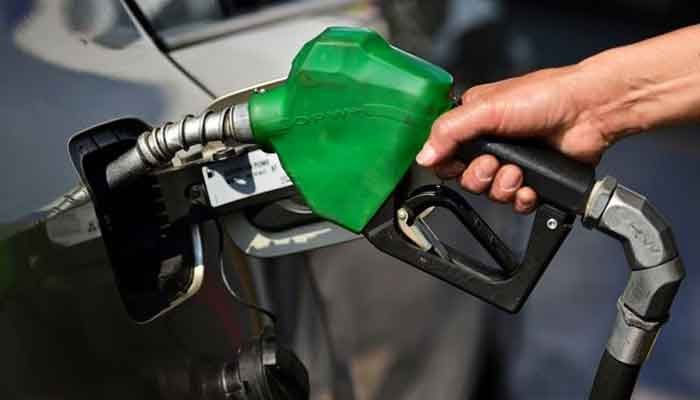
KARACHI: The government has initiated the process to deregulate the prices of four key petroleum products by forming a working group tasked with developing a concept paper within seven days, as part of its roadmap for the future strategy of the country’s downstream oil sector.
According to a notification from the Petroleum Division issued on Thursday, the working group will include representatives from the Oil and Gas Regulatory Authority (Ogra), the Director General of Oil (Petroleum Division), Pakistan State Oil (PSO), and the refinery sector.
The notification also revealed that the government has called for nominations from various departments to schedule a meeting of the working group. The government’s consideration of deregulating petroleum prices began following a meeting in July 2024, during which the issue was discussed. The move to deregulate prices was prompted by a directive from the prime minister’s office.
In July, the Petroleum Division wrote to Ogra requesting the development of a framework for the deregulation of petroleum product prices.Currently, petrol, high-speed diesel, light diesel oil, and kerosene are regulated products in the country, while jet fuel for air force and airlines, hi-octane, and furnace oil are deregulated.
The oil sector has long advocated for deregulating petroleum prices. Industry stakeholders have also called for a revision of the current pricing mechanism, which is based on a 15-day average price. They argue that switching to a weekly pricing system would help reduce extreme fluctuations in high-speed diesel sales, particularly during slower sales periods. Many believe that deregulation could improve market conditions.
While oil marketing companies (OMCs) support the deregulation of petroleum prices, dealers, including petrol pump owners, oppose the move, fearing it would place their commissions under the control of OMCs.
Currently, the prices of the four regulated products are set on a fortnightly basis, with margins for petroleum dealers and OMCs fixed by the government. The sector has been pushing for a revision of these margins, which has led to higher costs for consumers.


