
Silencing is not the answer
This path is counterproductive, deepening discontent rather than addressing the root causes of grievances
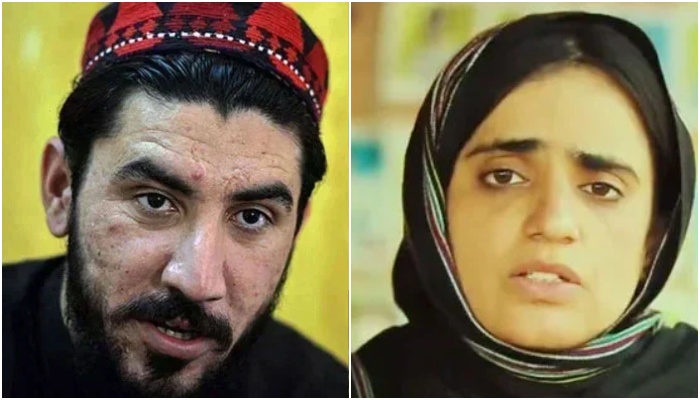
The state’s continued practice of banning civil rights movements and silencing peaceful dissent is a dangerous misstep, especially when those advocating for their rights do so without crossing the line into violence. Recent actions by the state, such as preventing prominent activists like Mahrang Baloch and Sammi Baloch from traveling and trying to ban movements like the Pashtun Tahaffuz Movement (PTM) that champion marginalized communities, demonstrate a persistent inability to distinguish between militant, secessionist movements and peaceful voices of dissent. This path is counterproductive, deepening discontent rather than addressing the root causes of grievances.
Having lived through our history of restricting media freedom, as a media group that has had to suffer being unfairly silenced over 50 times in the past two decades, we understand the value of open dialogue and the dangers of shutting down peaceful expression. Movements rooted in legitimate grievances – whether over state excesses, lack of development, or systemic marginalization – demand attention. When the state responds with bans and restrictions rather than engagement, it risks fueling the very problems it seeks to contain. Civil rights movements such as the PTM often emerge from regions that have faced years of violence, displacement, and neglect. Their calls for justice, often focused on issues like enforced disappearances and basic human rights, should not be dismissed as threats to national security. In some parts of Pakistan, especially its peripheral regions, groups advocating for constitutional rights have been met with force or censorship. These groups are not advocating violence or secession but are instead pushing for accountability and recognition of their rights. Suppressing these peaceful movements only serves to radicalize individuals who might otherwise seek solutions through non-violent means. We have seen this in many parts of the country, where frustration with the state's inability to listen has led to the rise of more extreme elements. A state that silences peaceful protesters inadvertently opens the door to militancy and separatist sentiment. When non-violent activists are treated as enemies, the space for peaceful discourse shrinks, and resentment grows.
The state needs to draw a clear line between those who advocate for their rights peacefully and those who promote violence. Engaging with the former is not a sign of weakness but a necessary step toward healing divisions within the country. At the same time, cracking down on violent groups is also the prerogative of the state. The constitution provides a clear framework for the limits of acceptable discourse. Advocacy for violence or rebellion is rightly prohibited, but peaceful criticism of the state’s actions and institutions must be protected. The essence of democracy lies in the ability to voice dissent without fear of retribution, and in recognizing that not all dissent is a threat to national security. By engaging with peaceful dissenters, the government can not only address their concerns but also strengthen national unity. Ignoring or suppressing these voices, however, only deepens the sense of alienation and encourages the rise of more dangerous alternatives. It is also on civil rights movements and dissenting groups to ensure that their actions remain within the bounds of law and non-violence. Advocacy for rights and accountability must not cross into incitement or violence. The message here is: peaceful dialogue, no matter how uncomfortable, must continue. Silencing dissenting voices leads nowhere but towards greater division and instability and the only way for the state of Pakistan to move forward is to embrace democratic principles and engage with all of its citizens to build a stronger, more cohesive future.


