
Digital payments share increases to 84pc in FY24
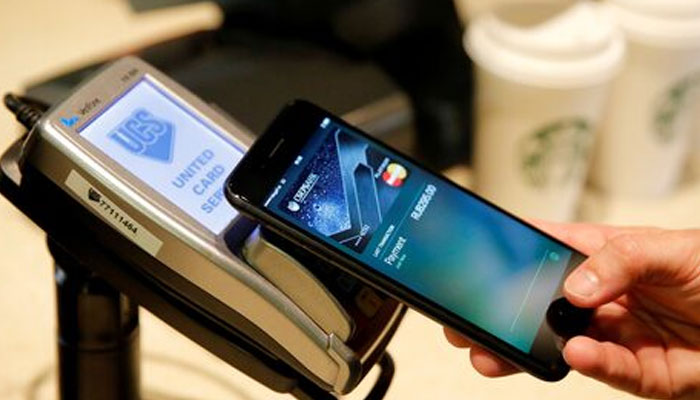
KARACHI: The share of digital payments by volume increased to 84 percent in the last fiscal year ended June 30 from 76 per cent a year ago, the central bank said on Friday.
The volume and value of retail payments in Pakistan increased by 35 per cent in FY24.The State Bank of Pakistan (SBP) in an annual payment systems review for FY24 said that the expansion in digital payments attributed to the growing number of digital channel users, facilitated by the convenience and variety of products offered through mobile banking apps, internet banking portals, and mobile wallets.
“The expanding share of digital payments is mainly associated with the increased number of customers using digital channels due to the convenience and wide range of products/services offered through these channels,” the report said.
Notably, mobile app banking users increased by 16 per cent, internet banking users by 25 per cent, while branchless banking (BB) mobile app wallet users grew by 2.0 per cent, and e-wallet users by an impressive 85 per cent annually during FY24.
The report said the digital payments made through mobile banking apps and internet banking portals, collectively saw a 62 per cent increase in transactions to 1,346 million, with the value of these transactions rising by 74 per cent to Rs70 trillion. Similarly, mobile app-based wallets experienced substantial growth, with customers making 2,697 million payments through their BB mobile app wallets and 85 million through EMIs’ e-wallets.
The expansion of the POS machine network has also contributed to the growth, with the number of POS machines increasing by 8.9 per cent to 125,593, supporting card-based transactions at a growing number of retail outlets and stores. E-commerce payments have also seen a remarkable shift, with 87 per cent of digital payments for e-commerce now being initiated through bank accounts or digital wallets. A total of 309 million e-commerce payments were made during FY24, with a transaction value reaching Rs406 billion.
Transactions via real time gross settlement (RTGS) saw a significant uptick in FY24, rising from 4.9 million to 5.8 million in volume. The major contribution to RTGS transactions came from the settlement of government securities, followed by inter-bank fund transfers, third party customer transfers and ancillary clearing settlement, respectively.
The report said that during FY24, a total of 496.1 million transactions amounting to Rs11.6 trillion were processed through Raast, which is Pakistan’s instant payment system. Last year in FY23, the number of transactions stood at 147.2 million with value of Rs3.1 trillion.
Payment system infrastructure plays a key role in a country’s economy as it enables efficient and secure fund transfers between individuals, businesses, government and financial institutions, according to the report.
Payment infrastructure refers to the systems, applications, technologies and networks that facilitate the transfer of money among individuals, businesses and governments. It includes everything from payment card processing networks, digital payment platforms to brick and mortar banks and mobile payment solutions. A robust payments infrastructure is essential for an accelerated financial inclusion and economic development.


