
Over 100 factories shut down in Faisalabad amid rising costs
Mukhtar advised industrialists not to lose hope, as the government is actively working to reduce energy costs
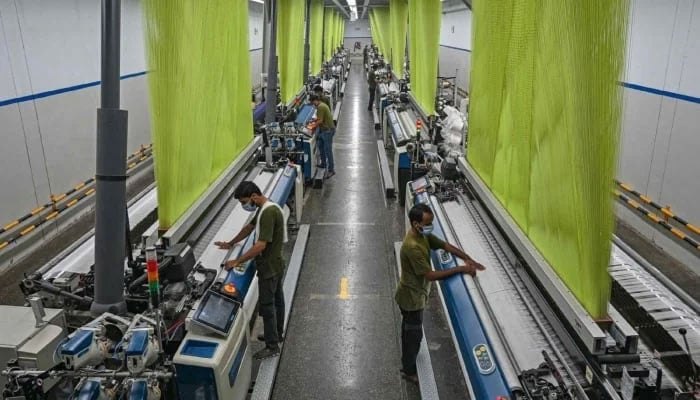
FAISALABAD: Rising energy tariffs and markup rates have significantly increased production costs, leading to the closure of over a hundred small and large factories, including Sitara Textile Mills, one of Faisalabad’s leading textile mills. Additionally, operational textile mills have cut their production by up to 40%. Recently, a unit of Sitara Textile was shut down, resulting in 900 more employees losing their jobs. Chaudhry Salamat Ali, group leader of the Pakistan Hosiery Manufacturers and Exporters Association, said on Saturday that the closure of these textile units has left between 150,000 and 200,000 workers unemployed in the city. He warned that if the government does not reduce electricity and gas prices and bring the markup rate down to a single digit, even the mills that remain operational will face closure.
Ali further noted that most factories have stopped receiving new export orders and are only working on existing orders, with more industry closures anticipated by next month.
Khurram Mukhtar, patron-in-chief of the Pakistan Textile Exporters Association, pointed out that global conditions are currently favourable for increasing exports, as many American and European brands are moving away from China, and the situation in Bangladesh is expected to boost Pakistan’s export orders. He urged the government to immediately lower energy tariffs and reduce the markup rate to at least 14% to seize this opportunity.
Mukhtar highlighted that increased taxes and delays in refund payments are causing widespread frustration in the industry, which requires urgent action. He noted that Pakistan’s exports last month totalled $1.2 billion, though they could have easily reached $2 billion. He stressed that while there are opportunities in the global market and Pakistan has the necessary raw materials, production capacity and infrastructure improvements in the business environment are essential to enhance economic stability and job creation.
Mukhtar advised industrialists not to lose hope, as the government is actively working to reduce energy costs. He urged the government to accelerate its efforts and provide an immediate roadmap to address industry frustrations. He criticised the recent budget increase of the advance tax on exporters to 2%, while the domestic textile business rate remains at 1%. He called for an end to this discriminatory treatment and noted that exporters already pay an additional 0.25% export development surcharge, which should be suspended until the previously collected amount is utilised. He also highlighted that the scheme exempting exporters from general sales tax on local procurement was abolished and should be reinstated immediately, as it does not involve any tax payments.


