
Pakistan’s 77 years of industrial development
LAHORE: When Pakistan gained independence on August 14, 1947, its industrial base was markedly underdeveloped. The country had only seven-eight small textile mills and one cement plant, and lacked sugar, fertilizer, or steel mills. Pakistan was predominantly a commodity exporter.
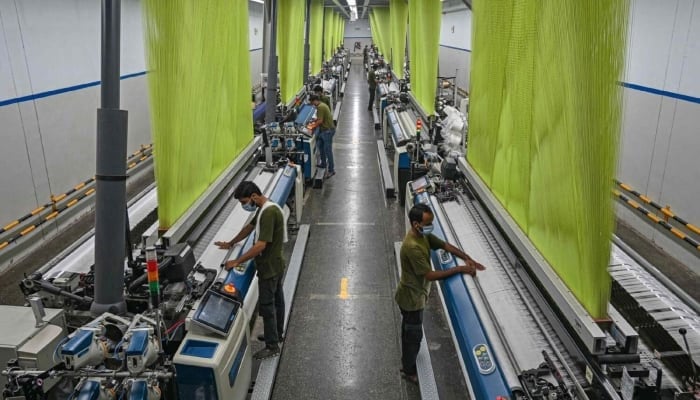
Over the years, the nation experienced uneven growth, political instability, and ethnic and sectarian conflicts, which have hindered its economic potential. However, significant strides have been made since then. Today, the textile industry is one of the largest and most developed sectors in Pakistan, with around 423 textile mills. The industry plays a crucial role in the economy, contributing approximately 8.5 per cent to the GDP and providing millions of jobs through numerous apparel units.
The sugar industry has also seen considerable growth, with over 90 sugar mills primarily located in Punjab and Sindh. The cement industry has expanded substantially, boasting more than 24 plants with a total production capacity of around 69 million tonnes per annum.
Pakistan Steel Mills (PSM), established in the 1970s, was once the largest industrial complex in the country but has faced significant challenges and is currently closed. Private-sector steel mills now surpass Pakistan Steel Mills in capacity. The automobile industry has grown, with various local and international companies setting up manufacturing plants in Pakistan.
The pharmaceutical sector has expanded, with over 700 companies operating nationwide. The fast-moving consumer goods sector has also seen significant growth, with both multinational and local brands thriving across the country.
Despite these advancements, Pakistan’s economy continues to face challenges such as energy shortages, political instability, and a heavy reliance on imports for raw materials. These factors often constrain the industrial sector’s growth and affect overall economic stability.
The 1960s are often regarded as the golden era of industrialization in Pakistan, especially during Ayub Khan’s military regime (1958-1969). This period, known as the ‘decade of development’, saw significant economic and industrial expansion. Key factors contributing to this growth included a strong emphasis on industrialization, particularly in heavy industries like steel, cement, chemicals, and textiles. The government offered incentives such as tax holidays, import subsidies, and credit facilities to boost private investment.
The first and second five-year plans (1955-1960 and 1960-1965) were crucial in laying the groundwork for industrial growth, prioritizing infrastructure development that supported industrial expansion. Substantial foreign aid, particularly from the US, was used to develop infrastructure and industries, and the government actively sought foreign direct investment. This era saw the establishment of major industrial units, including textile mills, sugar mills, and cement factories, with significant contributions from the private sector.
However, the 1970s brought a slowdown in industrial growth. Nationalization policies led to state control of key industries such as steel, cement, banking, and textiles, which discouraged private investment and resulted in management inefficiencies. The secession of East Pakistan (now Bangladesh) in 1971 weakened economic stability and investor confidence.
The 1973 oil crisis increased energy costs, adversely impacting industrial production and profitability. Economic policies during this period were perceived as less favourable to industrial growth, with a focus on populist measures rather than long-term development. Global economic conditions, including recessions in key export markets, also contributed to the slowdown.
While the 1980s saw some recovery, the momentum of the 1960s was never fully regained. Since then, Pakistan’s industrial sector has faced periodic challenges, including energy shortages, political instability, and inconsistent economic policies.


