
Research shows drop in conviction rate of drug traffickers in Punjab
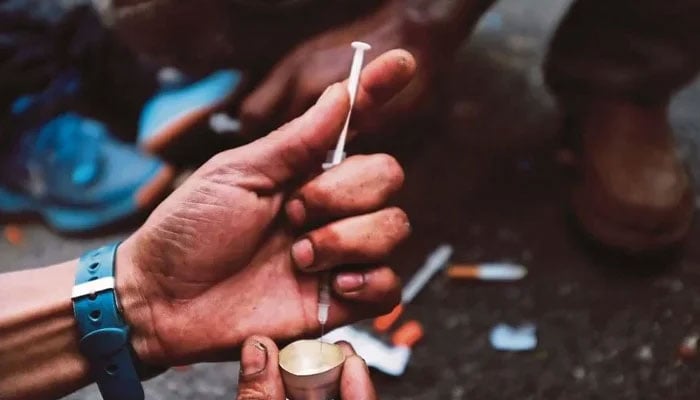
Islamabad:The conviction rates of drug traffickers under the Control of Narcotics Substances Act (1997) dropped from 16 per cent in 2022 to 2 per cent in 2023, indicating serious deficiencies in investigation and prosecution processes.
The issue was highlighted in policy brief titled ‘Prevalence of Drug Abuse in Pakistan: An Overview of Criminal Justice System’s Response to Drug Traffickers in Punjab,’ released by the Sustainable Social Development Organisation (SSDO).
The report highlights the escalating issue of drug abuse and the inadequacies of the criminal justice system in Punjab, Pakistan, to effectively combat drug trafficking. The briefing underscores the need for significant reforms and improvements to address these growing challenges. The research indicates a dramatic increase in global drug users from 240 million in 2011 to 296 million in 2021, reflecting the expansion of the global drug economy. Pakistan, due to its proximity to Afghanistan, the largest producer of illicit opium, faces significant drug-related challenges.
The 2013 UNODC report revealed that approximately 6.7 million people in Pakistan used controlled substances, including prescription drugs, in 2012. Law enforcement agencies struggle with prosecuting drug traffickers, resulting in low conviction rates under the Control of Narcotics Substances Act (1997). The report indicates that major cities such as Lahore, Faisalabad, Gujranwala, Rawalpindi, and Multan also saw declining conviction rates, prompting calls for enhanced state interventions. In response, the Punjab government has appointed specialized investigation officers and prosecutors and recommended training and certification from globally accredited institutions.
To address these issues, the report proposes establishing dedicated courts for drug trafficking cases staffed by internationally trained personnel, aligning evidence collection and adjudication processes with international standards, and collaborating with the Bureau of INL (US Department of State) and UNODC for training and certification. The report also suggests implementing public education programs on drug use prevention, introducing school-based prevention programs, improving access to rehabilitation services, and encouraging ongoing research and data collection on drug use patterns to inform policy development.


