
One-month deadline set for pharma firms to print barcodes on packaging of drugs
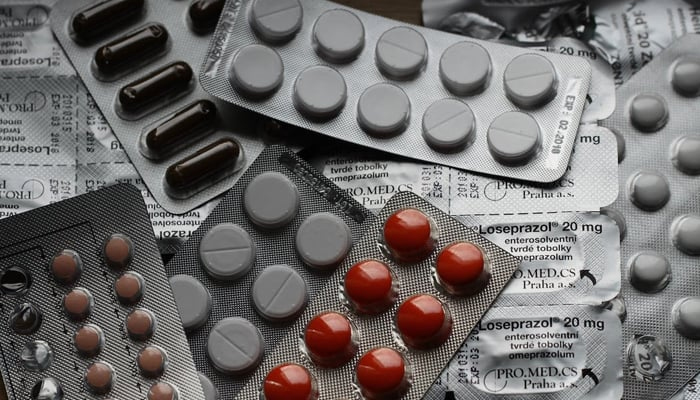
ISLAMABAD: The Drug Regulatory Authority of Pakistan (DRAP) Thursday gave one month’s time to the pharmaceutical companies for printing barcodes on the packaging of all the locally produced and imported pharmaceutical and biological drugs for human use.
Authorities said the decision was taken to ensure provision of genuine and quality medicine to the people and to eradicate the menace of spurious and counterfeit drugs after markets were found flooded with illegally produced medicines.
The decision was taken at the 51st meeting of DRAP Policy Board, which was presided by federal secretary health Iftikhar Shallwani, who directed the DRAP officials to ensure implementation on Policy Board’s decision in letter and spirit in a month.
Chief Executive Officer DRAP Asim Rauf and directors of various divisions of the regulatory authority also directed DRAP to closely monitor the situation and take measures including legal actions to ensure the compliance. Talking to The News, a member of the DRAP Policy Board said absence of barcoding on medicine packs poses challenges in tracking and tracing medications, potentially compromising patient safety and regulatory oversight. “This omission not only hampers efficient inventory management but also impedes efforts to combat counterfeit drugs and ensure medication authenticity,” the official said.
He maintained that absence of barcoding also undermines efforts to implement robust pharmacovigilance systems, hindering the timely identification and reporting of adverse drug reactions. Moreover, it creates loopholes in the supply chain, increasing the risk of substandard or falsified medications entering the market, he added.
The DRAP Policy Board member claimed that implementing a barcode system would offer numerous advantages including enhanced patient safety as barcodes allow for real-time tracking of medication throughout the supply chain from manufacturing to dispensing.
The transparency helps identify and prevent counterfeit drugs from reaching patients, he added.
Similarly, barcodes streamline inventory control, reducing the risk of stock outs and ensuring essential medications are readily available, said the official.
On the other hand, local pharmaceutical industry representatives termed it a decision taken in haste, saying they would have to import packing machinery worth millions of rupees, which would take several months due to prevailing economic conditions and urged the regulatory authority to provide at least a year’s time for implementation on policy board decision.
They also demanded incentives on import of the machinery for printing barcodes on the medicines’ packing.







-
 Dwayne Johnson Confesses What Secretly Scares Him More Than Fame
 -
 Elizabeth Hurley's Son Damian Breaks Silence On Mom’s Romance With Billy Ray Cyrus
 -
 Shamed Andrew Should Be Happy ‘he Is Only In For Sharing Information’
 -
 Apple Sued Over 'child Sexual Abuse' Material Stored Or Shared On ICloud
 -
 Nancy Guthrie Kidnapped With 'blessings' Of Drug Cartels
 -
 Hailey Bieber Reveals Justin Bieber's Hit Song Baby Jack Is Already Singing
 -
 Emily Ratajkowski Appears To Confirm Romance With Dua Lipa's Ex Romain Gavras
 -
 Leighton Meester Breaks Silence On Viral Ariana Grande Interaction On Critics Choice Awards
 -
 Heavy Snowfall Disrupts Operations At Germany's Largest Airport
 -
 Andrew Mountbatten Windsor Released Hours After Police Arrest
 -
 Heidi Klum Eyes Spooky Season Anthem With Diplo After Being Dubbed 'Queen Of Halloween'
 -
 King Charles Is In ‘unchartered Waters’ As Andrew Takes Family Down
 -
 Why Prince Harry, Meghan 'immensely' Feel 'relieved' Amid Andrew's Arrest?
 -
 Jennifer Aniston’s Boyfriend Jim Curtis Hints At Tensions At Home, Reveals Rules To Survive Fights
 -
 Shamed Andrew ‘dismissive’ Act Towards Royal Butler Exposed
 -
 Hailey Bieber Shares How She Protects Her Mental Health While Facing Endless Criticism