
Our children are hungry
For many Pakistanis, going hungry is a part of life and, as with so many of the country’s other problems, children and other vulnerable populations are more likely to suffer. The country was classified as having a serious level of hunger by the Global Hunger Index 2022 and, according to Unicef, around 80 per cent of Pakistani children do not eat the right type and quantity of food while approximately 10 million children suffer from stunting. Much of this hunger is down to our unequal food distribution system.
Those of us whose children are lucky enough to get three proper meals a day take it for granted that much of the population does not have this luxury. Our welfare system is too constrained to ensure that even the children born to the poorest families receive adequate nutrition, as is the case in most developed countries.
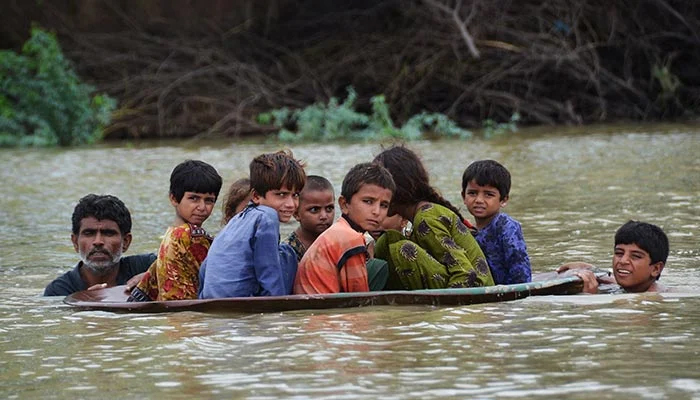
Now, climate change is exacerbating our hunger crisis and Pakistan is among 12 countries where extreme weather was the primary driver of hunger in 2022, according to Save the Children. A year on from last year’s catastrophic floods which submerged a third of the country and affected an estimated 33 million people, around half of whom were children, and over two million flood-affected children are acutely malnourished, of which around 600,000 are suffering from the deadliest form of malnutrition.
This phenomenon illustrates quite well how our inadequate social welfare network leaves us particularly vulnerable to systemic shocks such as conflict, economic crisis and natural disasters. For the majority of Pakistanis who are barely making ends meet, the state provides no buffer from such shocks. Hence, when food supplies or livelihoods experience prolonged disruptions for whatever reason, millions are at risk of going hungry. And this problem is not unique to food and hunger alone as the same can be said for things like education and healthcare. With climate change set to cause more and more disruptions and damage to life in Pakistan over the coming years, the country’s paltry welfare and public goods and services system are set to be tested like never before. Climate change mitigation efforts, while crucial, will not be enough to ensure that a majority of the people have sufficient levels of food, education and healthcare. We need to raise the baseline levels of protection afforded to each Pakistani family, so that when disaster strikes families will have more to fall back on.







-
 Funeral Home Owner Sentenced To 40 Years For Selling Corpses, Faking Ashes
 -
 Why Is Thor Portrayed Differently In Marvel Movies?
 -
 Dutch Seismologist Hints At 'surprise’ Quake In Coming Days
 -
 Australia’s Liberal-National Coalition Reunites After Brief Split Over Hate Laws
 -
 DC Director Gives Hopeful Message As Questions Raised Over 'Blue Beetle's Future
 -
 King Charles New Plans For Andrew In Norfolk Exposed
 -
 What You Need To Know About Ischemic Stroke
 -
 Shocking Reason Behind Type 2 Diabetes Revealed By Scientists
 -
 SpaceX Cleared For NASA Crew-12 Launch After Falcon 9 Review
 -
 Meghan Markle Gives Old Hollywood Vibes In New Photos At Glitzy Event
 -
 Simple 'finger Test' Unveils Lung Cancer Diagnosis
 -
 Groundbreaking Treatment For Sepsis Emerges In New Study
 -
 Roblox Blocked In Egypt Sparks Debate Over Child Safety And Digital Access
 -
 Savannah Guthrie Addresses Ransom Demands Made By Her Mother Nancy's Kidnappers
 -
 OpenAI Reportedly Working On AI-powered Earbuds As First Hardware Product
 -
 Andrew, Sarah Ferguson Refuse King Charles Request: 'Raising Eyebrows Inside Palace'