
No agency allowed to record or tap phone calls, govt tells IHC
IHC directs federal law officer to file report on whether or not any agency had been allowed to record phone calls of citizens
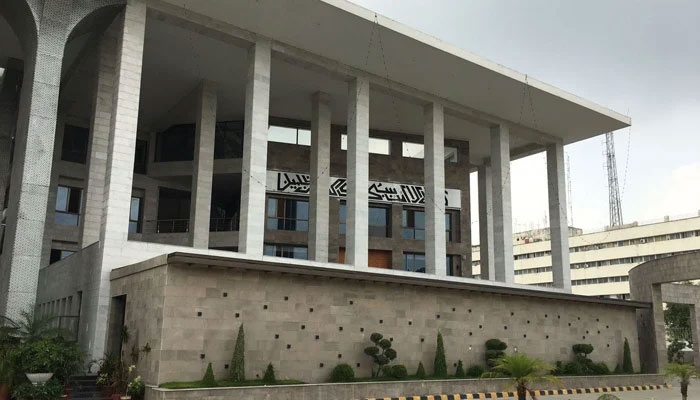
ISLAMABAD: No permission has been given to any intelligence agency to record or tape phone calls of citizens; however, there is provision in the law to do so, the federal government told the Islamabad High Court (IHC) on Wednesday.
Filing a statement with the IHC on petitions of former prime minster Imran Khan’s spouse Bushra Bibi and former chief justice Saqib Nisar’s son Najamus Saqib against phone tapping, the federal government submitted that no agency had been allowed to record the phone calls of citizens. It however submitted that there was a provision under the law that phone calls could be recorded or examined for security purposes.
The IHC’s single bench headed by Justice Babar Sattar, directed the federal law officer to file a report on whether or not any agency had been allowed to record phone calls of citizens.
Issuing its order on the petitions, the IHC observed that the defence ministry, the Pakistan Telecommunication Authority and secretaries to the prime minister submitted their statements in which they denied giving any permission to any agency for recording or tapping phone calls or surveillance of citizens; however, the government can obtain permission from a judicial officer to do so.
The court directed the principal secretary of the PM to submit a report on whether any agency had been granted permission to record or tape phone calls of citizens. It observed that the principal secretary may seek assistance from the relevant ministries and intelligence agencies, and expected that the federal government would file a comprehensive clear report after obtaining information from the authorities.
The IHC further observed that Pakistan has effective and functional national security infrastructure, and it cannot be accepted that the enemy country’s intelligence agency recorded phone calls of the highest public office of the country without it coming to the knowledge of the state. It observed that also it cannot be accepted that any non-state actors had recorded phone calls of the prime minister’s office without the matter coming to the knowledge of the state functionaries.






-
 AI Copyright Battle: ByteDance To Curb Seedance 2.0 Amid Disney Lawsuit Warning
 -
 Savannah Guthrie In Tears As She Makes Desperate Plea To Mom's Kidnappers
 -
 Canada’s Defence Industrial Strategy Targets 125,000 Jobs And Export Growth
 -
 Tre Johnson, Former NFL Guard And Teacher, Passes Away At 54
 -
 Jerome Tang Calls Out Team After Embarrassing Home Defeat
 -
 Cynthia Erivo Addresses Bizarre Rumour About Her Relationship With Ariana Grande
 -
 Prince Harry, Meghan Markle Spotted Cosying Up At NBA All-Star Game
 -
 Lady Gaga Explains How Fibromyalgia Lets Her 'connect With People Who Have It'
 -
 Metro Detroit Weather Forecast: Is The Polar Vortex Coming Back?
 -
 Daniel Radcliffe Reveals Surprising Way Fatherhood Changed Him
 -
 ‘Disgraced’ Andrew At Risk Of Breaking Point As Epstein Scandal Continues
 -
 Alan Cumming Shares Plans With 2026 Bafta Film Awards
 -
 OpenClaw Founder Peter Steinberger Hired By OpenAI As AI Agent Race Heats Up
 -
 Kate Middleton's Reaction To Harry Stepping Back From Royal Duties Laid Bare
 -
 Rose Byrne Continues Winning Streak After Golden Globe Awards Victory
 -
 Ice Hockey Olympics Update: Canada Stays Unbeaten With Dominant Win Over France