
Dubai expatriates race for new jobs
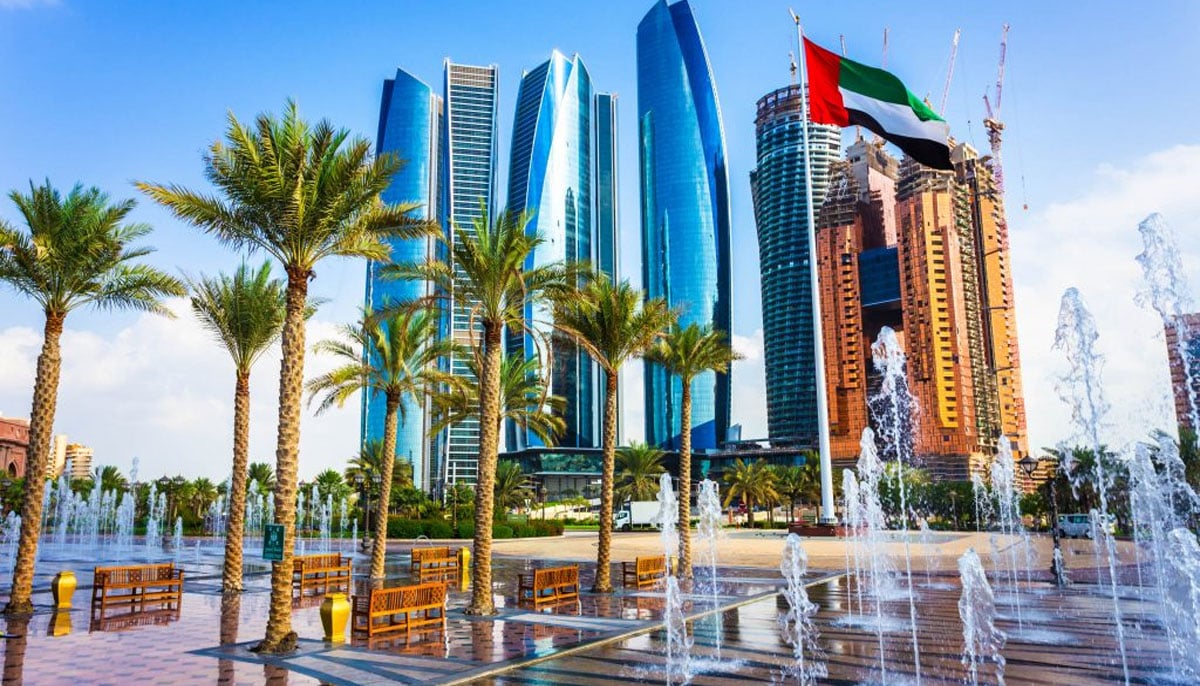
Mustafa, a hipster Pakistani graphic artist, has a month to find a new job or be forced to leave Dubai among an exodus of expatriates whose futures have been up-ended by coronavirus.
The United Arab Emirates (UAE) -- made up of seven sheikdoms including the oil-rich capital Abu Dhabi and freewheeling Dubai -- has become a hub for young professionals and a safe haven in a region blighted by political turmoil and poverty.
But the pandemic has set in motion a global economic crisis that one study said could see some 900,000 jobs lost in the UAE -- among a population of under 10 million -- and force 10 percent of its expatriate residents to leave.
In a country where permanent residency is not generally offered, even for those who have spent decades in the UAE, as the redundancies begin to mount many are being forced to sell up their things and make a quick exit.
"We all know how the UAE is a temporary place and, one day or another, we all have to go back home or elsewhere," said Mustafa, who before the crisis earned a good salary with a sports marketing firm.
Without a new job, in a market where openings are few and applicants are many, the 30-year-old will have no choice but to return home to Pakistan -- a prospect he feels gloomy about. "Here I worked with luxury hotel brands, airports, car brands, extreme sports. They don’t have a big market share there," he said about Pakistan, adding that even if he did find a job, the salary would be "half of what you get paid in Dubai".
Expatriates, who make up about 90 percent of Dubai’s population of more than 3.3 million, have helped create and operate its mega malls, attractions and five-star hotels, and turn it into a global hub for tourism, banking and services.
But with global travel only just emerging from a standstill, and lockdown measures still in force in many countries, all these industries have taken a heavy hit. Scott Livermore, chief economist at Oxford Economics Middle East, said the Gulf system, however, is designed to keep foreigners as "expats rather than migrants", with welfare state support reserved for citizens.
"Expatriates then return to their country of origin or move on to another country," Livermore told AFP. "It is a conscious, designed policy." Endless planeloads of blue-collars workers have already left Dubai on repatriation flights, but the city -- as the archetype of globalised consumerism -- could itself suffer from the departure of free-spending higher income earners.
According to an Oxford Economics study, employment across the Gulf could fall by 13 percent during the crisis, resulting in the population declining by between four percent in Saudi Arabia and Oman and around 10 percent in the UAE and Qatar.







-
 Jessica Alba, Cash Warren Finalize Divorce After 16 Years Of Marriage
 -
 China’s AI Boom Takes Center Stage At Spring Festival One Year After DeepSeek Stirred The Industry
 -
 James Van Der Beek Called His Sixth Child Jeremiah 'healing For Us' Before His Death
 -
 Elon Musk Vs Reid Hoffman: Epstein Files Fuel Public Spat Between Tech Billionaires
 -
 Gordon Ramsay Denies Victoria Beckham Got Handsy With Brooklyn At His Wedding
 -
 Gordon Ramsay Makes Unexpected Plea To Brooklyn As He Addresses Beckham Family Feud
 -
 Prince Harry Warns Meghan Markle To 'step Back'
 -
 Selena Gomez Explains Why She Thought Lupus Was 'life-or-death'
 -
 New Zealand Flood Crisis: State Of Emergency Declared As North Island Braces For More Storms
 -
 Nancy Guthrie Case: Mystery Deepens As Unknown DNA Found At Property
 -
 James Van Der Beek's Brother Breaks Silence On Actor's Tragic Death
 -
 Megan Thee Stallion On New Romance With Klay Thompson: 'I'm Comfy'
 -
 Nicole Kidman Celebrates Galentine’s Day Months After Keith Urban Split
 -
 Justin Bieber Unveils Hailey Bieber As First Face Of SKYLRK In Intimate Campaign Debut
 -
 Caitlin O’Connor Says Fiance Joe Manganiello Has Changed Valentine’s Day For Her
 -
 Rachel Zoe Sends Out Message For Womne With Her Post-divorce Diamond Ring