
Pakistan’s real battle is economic
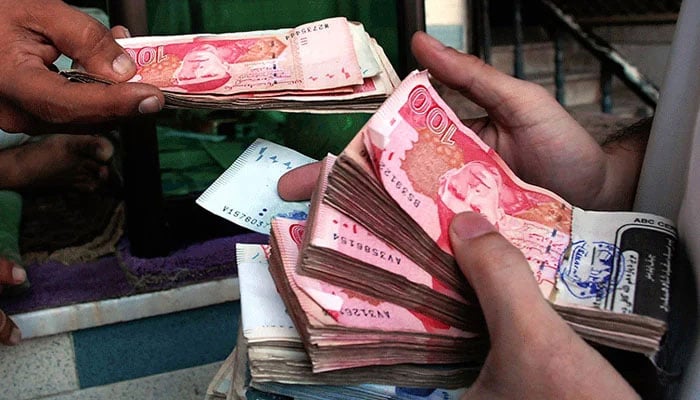
LAHORE: As Pakistan confronts yet another challenging economic year, it is becoming increasingly evident that the country’s most urgent issue is not its enduring conflict with India, but a deepening domestic economic crisis -- one that persists despite budgetary measures and international financial support.
The 2025-26 federal budget, shaped by International Monetary Fund (IMF) conditions and a widening fiscal deficit, has placed a disproportionate burden on the urban middle class, small traders and informal sector workers. While strategic concerns across the eastern border remain relevant, they no longer dominate the national narrative. The real battle is now being waged in homes, marketplaces and workplaces across the country.
The government’s ambition to raise nearly Rs3 trillion this fiscal year is being pursued not through meaningful tax base expansion, but by further squeezing the existing pool of taxpayers. The salaried class -- already reeling from high inflation and stagnant wages -- now faces harsher income tax brackets. Additional indirect taxes, surcharges on electricity and fuel, and the withdrawal of several exemptions have further tightened monthly budgets.
The informal economy, previously beyond the reach of tax authorities, is now being targeted through enforced documentation and digital tracking. The Federal Board of Revenue (FBR) has been granted sweeping powers to arrest defaulters and freeze bank accounts -- actions that have triggered widespread unease, particularly among small businesses and shopkeepers.
The transport sector, a key part of the informal economy, has also come under pressure. New levies, including a Carbon Emission Charge and higher registration fees for older vehicles, are threatening the livelihoods of thousands of drivers and operators. Many in the sector believe they are being unfairly scapegoated while powerful elites and large landholders remain largely untouched.
Traders, historically resistant to formal registration, are now being forced to file returns under threat of audits, penalties, and account freezes. This has prompted sporadic strikes and protest calls from business associations in several cities.
Despite these economic shocks, mass protests have yet to materialise. The reasons are multifaceted: public fatigue following years of political and economic turmoil, weak opposition leadership, and the lingering impact of previous crackdowns on dissent.
Still, the potential for unrest is rising. The urban middle class -- long considered a pillar of stability -- is growing increasingly vocal on social media, demanding accountability and a fairer tax system. If utility prices rise again during the summer peak or if the FBR intensifies enforcement, street protests may no longer be avoidable.
Tensions with India, while unresolved, have faded into the background of public consciousness. Cross-border military incidents have diminished, and diplomatic friction has become routine. For most Pakistanis, the threat of war feels remote; the more immediate dangers are inflation, job insecurity and mounting taxes.
Policymakers must recognise that public patience is wearing thin. Fiscal discipline and tax reform are necessary -- but without social protections, enforcement risks becoming persecution. Rather than relying on coercive measures, the government must broaden the tax base transparently; eliminate wasteful spending; and protect vulnerable communities through targeted relief.
Pakistan’s real struggle lies in restoring economic dignity to its people. If current policies continue unchecked, frustration will mount -- and history shows that when Pakistan’s streets stir, change is not far behind.







-
 King Charles ‘worried’ For Prince William As Heir Doesn’t Have Temperament To Be King
 -
 France Records Around 1,000 Excess Deaths During Deadly Heatwave
 -
 Kris Jenner Crowns Khloe Kardashian 'most Amazing Mother' In Birthday Tribute
 -
 David Beckham Melts Hearts With His Unseen Baby Snaps As Celebrated Mom Sandra
 -
 Which Countries Will Ban Grand Theft Auto VI At Launch?
 -
 Prince Harry’s ‘emotional Safe Haven’ In UK Revealed
 -
 North West Debuts Daring New Facial Piercings At Paris Fashion Week
 -
 Why Tech Firms Are Blaming AI For The Massive Surge In Device And Console Prices
 -
 Prince William’s Secret To A Successful Marriage With Kate Middleton Comes To Light
 -
 Google Gemini AI Capacity Shortage Delays Meta's AI Projects: Report
 -
 Holly Madison Reveals Why She Underwent Plastic Surgery After Pregnancies
 -
 Dean McDermott Expresses Gratitude As He Marks Three Years Of Sobriety
 -
 South Korea, Japan Deepen Defense Ties In Major Security Push
 -
 Andrew Mountbatten-Windsor’s Fears Over His Own Life And Life Span Turn Worrying: ‘You Can’t Erase This!’
 -
 Katy Perry's Long-awaited Return Ends In Disappointment
 -
 Eva Green Hospitalized After Injury On ‘Wednesday’ Set