Google Gemini AI capacity shortage delays Meta's AI projects: Report
Google told Meta in March it couldn't provide full Gemini capacity requested, forcing social media giant to limit token usage
Meta around March it could not meet the full Gemini capacity the company had sought to purchase, with the shortfall disrupting and delaying some of Meta's internal AI projects, the Financial Times reported on Sunday.
The capacity crunch exposes a growing infrastructure bottleneck in the AI industry, where demand for computing power now outpaces available resources, a problem hitting even the largest technology companies.
Meta is particularly hard hit because of its extremely high demand for models by Google, causing it to adopt efficiency strategies within its own system.
The employees at Meta had to be more conservative about using "tokens", the units that measure how much text an AI model processes, and several internal projects were reportedly delayed.
Even though other Google Cloud customers are experiencing similar shortages of capacity, none has such enormous demands for artificial intelligence resources as Meta.
The revenue for Google Cloud rose to $20 billion in the first quarter ending in March, according to Pichai, who further noted that computing power shortages had held back revenue growth and contributed to the almost doubling of the cloud division’s backlog in just one quarter.
However much capital expenditure is made into making specialist chips and data centres, firms have been unable to build fast enough to keep up with rising demand for AI products.
Starting from May 17, 2026, Google introduced computing-based limitations for Gemini Apps, which saw an increase in API requests from March to August 2025.


-
 Nvidia eyes major investment in Figure AI robotics: Here’s what to know
 -
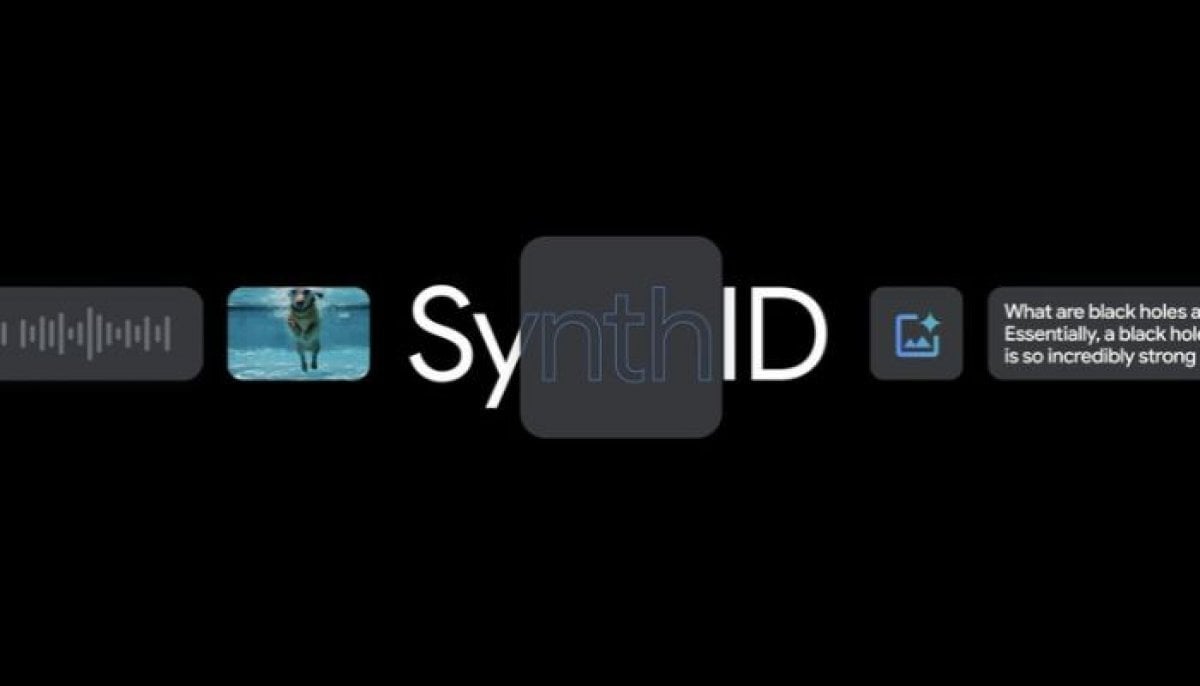 Google opens SynthID detector: Here’s how it can spot AI-generated media
 -
 Microsoft, Nvidia CEOs unveil breakthrough AI laptop at San Francisco event
 -
 ChatGPT faces new teen safety warning: What to know
 -
 Surface Ultra likely to launch at Microsoft October event: What to expect
 -
 Claude can now edit your Google Docs without leaving file
 -
 Jamie Dimon warns Anthropic Mythos sent AI cyber risk up ‘10-fold’
 -
 US politician slams Sam Altman over 'accept some bad things happening' remark
-
 Italy antitrust regulator opens investigation into AI music startup Suno
 -
Smart glasses face bans over privacy concerns: Full list of countries
-
Mistral AI new model beats Chinese competitors in cybersecurity, claims CEO
-
UK regulator probes Meta over child safety risks in Instagram's 'Instants' feature