
Time for reserves?
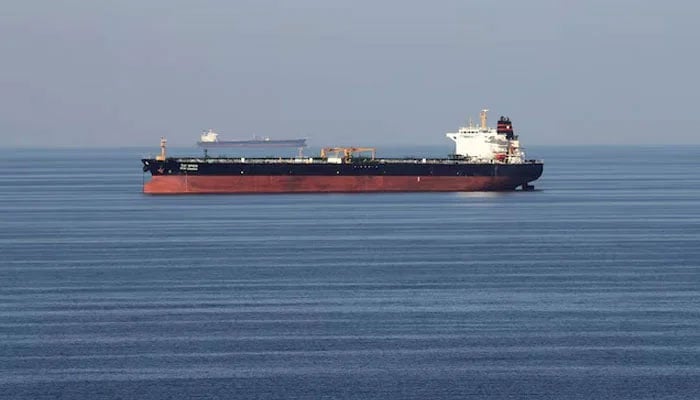
Pakistan's energy trade primarily takes place through the Strait of Hormuz in the Persian Gulf. Pakistan is a net oil importer, importing approximately 72 per cent of the crude oil to fulfil local refineries' requirements and more than 55 per cent of the petroleum products it consumes, along with all the liquefied natural gas (LNG), primarily from the Middle East.
The leading suppliers are the UAE, Saudi Arabia and Qatar. Pakistan has no alternative routes for these imports, which makes the country highly vulnerable to supply disruptions and subsequent price shocks.
The recent Israel-Iran conflict and the potential threat of a blockade at the critical chokepoint, the Strait of Hormuz, have once again put Pakistan's fuel imports at risk due to geopolitical tensions. Unlike real-time shocks to demand or supply, speculative demand shocks can cause immediate and significant impacts on the actual price of oil, especially in response to geopolitical events.
Countries with strategic fuel reserves may better handle such events, while others may encounter urgent procurement challenges, as Pakistan also did through the emergency oil procurement, according to media reports.
Geopolitical tensions have been the main risk to the global energy landscape over the past few years, highlighted by conflicts in Eastern Europe and the Middle East. The Middle East produces 31 per cent of the world's crude oil and accounts for 34 per cent of global oil exports. Growing conflicts in this region, especially around the Persian Gulf, are increasing challenges for countries like Pakistan that rely on it for petroleum and LNG imports.
Supply disruptions raise concerns about their adverse effects on the economy, including inflation, budget deficits and slowed growth. Pakistan, with a population of around 240 million, is facing challenges with foreign exchange reserves. Oil accounts for 35 per cent of its energy consumption, and in May 2025, petroleum imports represented 25 per cent of total imports. With limited foreign exchange reserves, the country remains susceptible to even short-term global disruptions and price shocks.
Since 1991, petroleum demand has increased by almost 78 per cent. In recent years, oil intensity in the total energy mix has remained relatively constant; however, its vulnerability, as measured by the share of oil imports in GDP, has increased threefold (-3.1 per cent in FY1991 to -8.7 per cent in FY2023).
More than 80 per cent of the petroleum products in Pakistan are consumed in the transport sector. Transport is vital for economic growth as it links production to consumption and enables population mobility. Fuel shortages or high costs can slow industrial activity and GDP growth. Increased oil prices lead to higher transportation costs, affect supply chains, and raise consumer prices.
Pakistan aims to achieve 30 per cent electric vehicle (EV) adoption by 2030 and 90 per cent by 2040, aiming to reduce its reliance on fossil fuels. However, challenges such as high EV costs, a lack of domestic production, and insufficient charging infrastructure may hinder this transition. As a result, oil is likely to remain a primary source of energy.
Globally, even with the increased focus on renewable energy and EVs, the importance of oil has not decreased, making it unrealistic to expect a significant shift in a developing country like Pakistan. With little domestic oil production anticipated, the country will likely continue relying on oil imports to meet its petroleum needs in the coming years.
Governments worldwide intervene to protect consumers from high prices due to supply shocks. In Pakistan, before 2009, the government used to adjust the petroleum development levy to shield consumers from rising oil prices. However, since the 2009 amendment to the Petroleum Levy Ordinance, this levy has become a fiscal tool to generate revenue for the Federal government. For FY2024, the petroleum levy totaled Rs960 billion, accounting for approximately 33 per cent of total non-tax revenues. Taxes on petroleum products contributed Rs795 billion, accounting for 16.7 per cent of total indirect taxes collected.
Fuel taxation in Pakistan is recognised as an effective means of generating revenue due to the relatively inelastic demand for petroleum products. When fiscal space is limited and petroleum products are increasingly relied upon to generate revenue, it becomes essential to explore alternative methods to alleviate inflationary pressures on consumers in the event of global shocks.
In Pakistan, any future increase in oil prices is likely to raise the import bill and expand the current account deficit. Given the limited fiscal space and the conditions set by the IMF, offering fuel subsidies may not be feasible. This situation could lead to a surge in inflation, particularly affecting the transport and food sectors, and may potentially result in public unrest.
Strategic Petroleum Reserves (SPRs) are tools used by governments worldwide to protect their economies from oil supply disruptions and market fluctuations. The US, China, Japan, India and many other countries have prioritised the development of SPRs as a fundamental component of their energy policies.
SPRs provide a buffer, ensuring a steady fuel supply and maintaining essential services amid geopolitical conflicts or price shocks. SPRs enhance energy security, support economic stability, reduce risks, and help keep domestic inflation in check. Countries like Pakistan, lacking reserves, are more susceptible to disruptions and price manipulation by major oil producers.
Pakistan lacks SPRs and relies on oil marketing companies (OMCs) to maintain commercial stocks. Ogra requires OMCs to hold stock for 20 days of demand; however, in reality, many OMCs keep stocks less than this amount. Refineries can only store crude oil for 7 to 10 days due to cash constraints.
Maintaining strategic oil stocks is crucial due to the volatility of the international oil market and growing geopolitical concerns. Even if OMCs meet the 20-day inventory requirement, developing strategic storage for potential supply disruptions remains a wise approach.
Although SPR advantages are more pronounced for large countries, for oil-importing countries, in general, the existence of SPRs helps reduce panic buying or speculative hoarding, as happened in Pakistan several times in the past. Pakistan can better navigate geopolitical risks and other challenges with SPRs.
The writer is an energy expert and senior research economist at the
Pakistan Institute of Development Economics (PIDE), Islamabad.


