
Health minister, MNAs ask for more taxes on sugary drinks to focus disease prevention
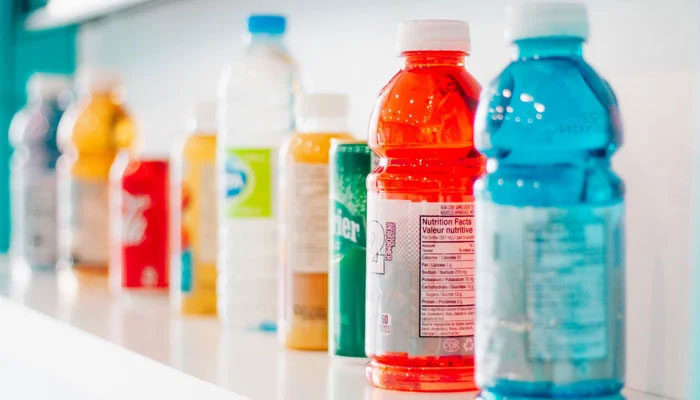
Islamabad:Pakistan’s health minister during his budget speech asked for bold fiscal policies to advance the government's narrative “prevention is better than cure” demanding 50 per cent federal excise duty on all types of sugary drinks to help reduce risk factors of non-communicable diseases (NCDs).
He said, “Every single minute, a heart attack is occurring in Pakistan, and we are globally ranked top in prevalence of diabetes. If we failed to take policy measures to support our public health priorities, there would be a public health and economic disaster”.
Earlier, during the meeting of the National Standing Committee on Finance, several of the parliamentarians asked the finance minister to consider increasing taxes on sugary drinks and ultra-processed junk foods, instead of solar panels. Pakistan is on the brink of a major health crisis, with over 1100 deaths occurring daily due to diabetes and its complications, over 300 limbs amputated, and the country is facing a national health emergency. This alarming situation demands urgent and evidence-based policy action from the government.
Scientific research has consistently linked the consumption of sugary drinks and ultra-processed food products to the rising prevalence of obesity and non-communicable diseases (NCDs), including heart disease, stroke, type 2 diabetes, and kidney disease in Pakistan. These products are typically high in sugar, sodium, and unhealthy fats, while offering minimal to no nutritional value – contributing significantly to health complications.
The economic cost of inaction is immense. Managing diabetes alone costs Pakistan more than $2.6 billion annually. The average economic loss per patient with type 2 diabetes is approximately $740 per year – almost half the per capita income of a typical Pakistani. Furthermore, economic losses due to premature deaths from NCDs between 2010 and 2025 are projected to range from $358 billion to $862 billion. These figures reflect the urgent need for strong preventive health policies.
Contrary to industry claims, the growing market of ultra-processed foods – valued at nearly USD 5.7 billion in 2020 and projected to reach USD 6.9 billion by 2025 – demands immediate policy attention. With ultra-processed product sales increasing by 10% annually and the fast-food sector growing at 15% per year, the scale of processed food consumption in Pakistan cannot be ignored.
Sana Ullah Ghumman, General Secretary of the Pakistan National Heart Association (PANAH) said that increasing taxes on sugary drinks and ultra-processed products is a proven strategy to reduce their consumption – particularly among youth and lower-income populations, who are most vulnerable. He emphasized that the revenue generated from such taxes can be allocated towards public health and nutrition programs, helping offset rising healthcare costs.
Ghumman criticised the beverage industry for misleading the policy makers by quoting packaged fruit juices as “healthy”, despite scientific evidence showing that these products often contain sugar levels equal to or exceeding those found in carbonated soft drinks and other sweetened beverages.







-
 Hailey Bieber's Subtle Gesture For Eric Dane’s Family Revealed
 -
 Moment Prince William 'broke Down' And 'apologised' To Kate Middleton
 -
 Paul Mescal And Gracie Abrams Stun Fans, Making Their Romance Public At 2026 BAFTA
 -
 EU Rejects Any Rise In US Tariffs After Court Ruling, Says ‘a Deal Is A Deal’
 -
King Charles Congratulates Team GB Over Winter Olympics Success
-
 Meryl Streep Comeback In 'Mamma Mia 3' On The Cards? Studio Head Shares Promising Update
 -
 Woman Allegedly Used ChatGPT To Plan Murders Of Two Men, Police Say
 -
 UK Seeks ‘best Possible Deal’ With US As Tariff Threat Looms
 -
 Andrew Arrest Fallout: Princess Beatrice, Eugenie Face Demands Over Dropping Royal Titles
 -
 Rebecca Gayheart Breaks Silence After Eric Dane's Death
 -
 Kate Middleton 2026 BAFTA Dress Honours Queen Elizabeth Priceless Diamonds
 -
 Sterling K. Brown's Wife Ryan Michelle Bathe Reveals Initial Hesitation Before Taking On New Role
 -
 BAFTA Film Awards Winners: Complete List Of Winners
 -
 Millie Bobby Brown On Her Desire To Have A Big Brood With Husband Jake Bongiovi
 -
 Backstreet Boys Admit Aging Changed Everything Before Shows
 -
 Biographer Exposes Aftermath Of Meghan Markle’s Emotional Breakdown