
Govt eyes 7,000 MW power sale to industry, agri at 7 cents amid IMF talks
Prices for various consumer categories have dropped between 14% and 18%
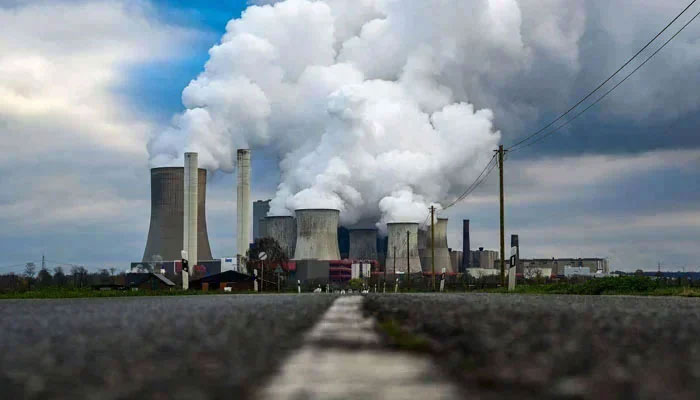
ISLAMABAD: Pakistan will retain net metering for solar energy users but plans to introduce a more transparent net billing system, as part of sweeping energy reforms that include offering 7,000 megawatts of surplus electricity to agriculture and industry at competitive rates — a move currently under consultation with the International Monetary Fund (IMF). “We are not discouraging solar adoption. This is about creating a balanced, transparent and sustainable framework that ensures fair returns for consumers while protecting grid stability and long-term energy planning,” Federal Minister for Energy Sardar Awais Ahmad Khan Leghari said on Wednesday dismissing speculation about scrapping solar net metering.
The government is currently sitting on a 7,000MW power surplus, which it intends to sell to the agriculture and industrial sectors at a flat rate of 7 to 7.5 cents per unit — without subsidies. Leghari confirmed that negotiations with the IMF have been underway for six months to secure approval for the plan. He said this while speaking at a consultation hosted by the Private Power and Infrastructure Board (PPIB) here.
Leghari outlined sweeping reforms underway in the energy sector, noting the cancellation of 9,000MW worth of costly and redundant projects and the imposition of levies on captive power users, pushing them back onto the national grid and increasing demand.
“Our aim is to balance supply and demand and provide reliable power without distortionary subsidies,” Leghari said.
He also highlighted that cross-subsidies amounting to Rs174 billion have reduced electricity tariffs for industries by up to 31 percent since June 2024, spurring a rise in industrial energy consumption. Prices for various consumer categories have dropped between 14 percent and 18 percent.
Leghari defended the economics of rooftop solar, noting that most consumers break even within three years. “If a consumer is using 40 percent of the electricity themselves, the return on investment in three years is a robust business proposition,” he said.
The government is evaluating dynamic pricing mechanisms for energy buybacks to reflect real-time market conditions. While net metering will remain in place, Leghari said net billing offers a “more efficient and sustainable” approach to integrating distributed solar.
He reaffirmed that all reforms — including grid modernisation and incentives for off-grid solutions — are part of a broader strategic shift to build a smarter, more resilient power system.
“This is the time to transition Pakistan’s power sector to a smarter, more resilient model,” Leghari concluded.







-
 EU Rejects Any Rise In US Tariffs After Court Ruling, Says ‘a Deal Is A Deal’
 -
King Charles Congratulates Team GB Over Winter Olympics Success
-
 Meryl Streep Comeback In 'Mamma Mia 3' On The Cards? Studio Head Shares Promising Update
 -
 Woman Allegedly Used ChatGPT To Plan Murders Of Two Men, Police Say
 -
 UK Seeks ‘best Possible Deal’ With US As Tariff Threat Looms
 -
 Andrew Arrest Fallout: Princess Beatrice, Eugenie Face Demands Over Dropping Royal Titles
 -
 Rebecca Gayheart Breaks Silence After Eric Dane's Death
 -
 Kate Middleton 2026 BAFTA Dress Honours Queen Elizabeth Priceless Diamonds
 -
 Sterling K. Brown's Wife Ryan Michelle Bathe Reveals Initial Hesitation Before Taking On New Role
 -
 BAFTA Film Awards Winners: Complete List Of Winners
 -
 Millie Bobby Brown On Her Desire To Have A Big Brood With Husband Jake Bongiovi
 -
 Backstreet Boys Admit Aging Changed Everything Before Shows
 -
 Biographer Exposes Aftermath Of Meghan Markle’s Emotional Breakdown
 -
 Ryan Coogler Makes Rare Statements About His Impact On 'Black Cinema'
 -
 Rising Energy Costs Put UK Manufacturing Competitiveness At Risk, Industry Groups Warn
 -
 Kate Middleton Makes Glitzy Return To BAFTAs After Cancer Diagnosis