
Call to boost furniture industry’s growth
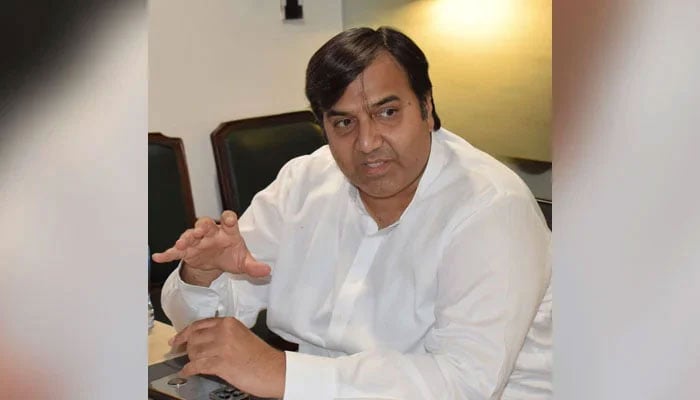
LAHORE:Pakistan Furniture Council (PFC) on Sunday convened a pre-budget meeting to assess the potential implementation of its proposals submitted to the federal government.
Chaired by PFC Chief Executive Officer Mian Kashif Ashfaq, the session emphasised the need for policies to bolster the furniture industry’s growth and global competitiveness. Key proposals included tax relief for local manufacturers, subsidies on imported raw materials, and incentives to enhance exports.
Stakeholders highlighted the sector’s role in economic development, job creation, and reducing reliance on imported furniture. He urged the government to prioritise skill development programmes and infrastructure upgrades, stressing that such measures would align with broader industrial growth goals. Concerns were raised about high production costs and regulatory hurdles, which hinder scalability.
Kashif Ashfaq expressed optimism that adopting their recommendations would position Pakistan as a regional furniture hub, leveraging the industry’s untapped potential. The council awaits the federal budget’s unveiling, hopeful for targeted reforms to drive sustainable progress in this labour-intensive sector.
Steel melters demand relief in budget 2025-26
The Steel melters industry leader on Sunday reiterated demand of special incentives in the upcoming annual national budget to bolster the industry. In a statement issued here Sunday, Kashif Younis Meher, a veteran leader of the industry, said the steel industry in Pakistan is a cornerstone of economic development, providing vital raw materials for construction, infrastructure, and various manufacturing sectors.
Representing a significant segment of the national industrial base, the association emphasises that strategic support is essential for the sector's growth and sustainability. He said the association called for subsidised financing options to modernise and upgrade existing mills.
Access to low-interest loans and grants would facilitate the adoption of advanced technologies, improving efficiency and product quality. The association also highlights the need for improved infrastructure, including reliable power supply and transportation networks, which are critical for the smooth operation of steel plants.
However, the industry has been facing numerous challenges, including rising production costs, outdated technology, and competitive pressures from imported steel. He said genuine demands aim to address the industry's current challenges and set the stage for sustainable growth. By incorporating their demands into the national budget, the government can significantly contribute to the revitalisation and competitiveness of Pakistan's steel industry.







-
 SpaceX Launches Another Batch Of Satellites From Cape Canaveral During Late-night Mission On Saturday
 -
 Princess Beatrice, Eugenie Get Pulled Into Parents’ Epstein Row: ‘At Least Stop Clinging!’
 -
 Inside Kim Kardashian's Brain Aneurysm Diagnosis
 -
 Farmers Turn Down Millions As AI Data Centres Target Rural Land
 -
 Trump Announces A Rise In Global Tariffs To 15% In Response To Court Ruling, As Trade Tensions Intensify
 -
 Chappell Roan Explains Fame's Effect On Mental Health: 'I Might Quit'
 -
 AI Processes Medical Data Faster Than Human Teams, Research Finds
 -
 Sarah Ferguson’s Friend Exposes How She’s Been Since Andrew Mountbatten-Windsor’s Release
 -
 Jelly Roll Explains Living With 'severe Depression'
 -
 Charli XCX Applauds Dave Grohl’s 'abstract' Spin On Viral ‘Apple’ Dance
 -
 Anna Sawai Opens Up On Portraying Yoko Ono In Beatles Film Series
 -
 Eric Dane's Wife Rebecca Gayheart Shares Family Memories Of Late Actor After ALS Death
 -
 Palace Wants To ‘draw A Line’ Under Andrew Issue: ‘Tried And Convicted’
 -
 Eric Dane's Girlfriend Janell Shirtcliff Pays Him Emotional Tribute After ALS Death
 -
 King Charles Faces ‘stuff Of The Nightmares’ Over Jarring Issue
 -
 Sarah Ferguson Has ‘no Remorse’ Over Jeffrey Epstein Friendship