
End of an era: Tourism icon Zahoor Durrani passes away
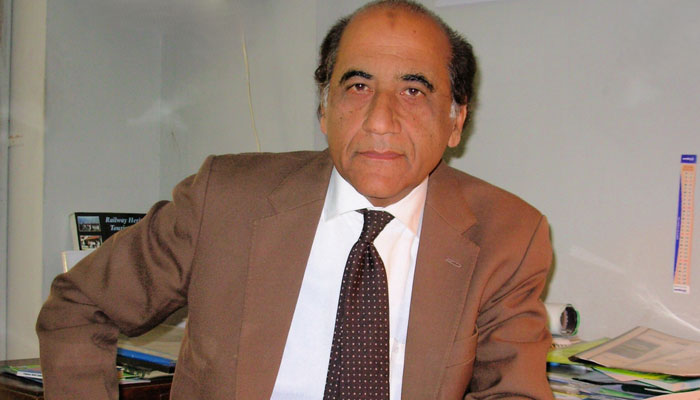
PESHAWAR: Zahoor Ahmad Durrani, an icon of the tourism industry and a prominent figure on Peshawar’s social scene, passed away after a brief illness and was laid to rest on Monday.
He was 81.
Durrani sahib had been dividing his time between Peshawar and Lahore in recent years. After suffering a heart attack two weeks earlier in Lahore, he spent time in the Intensive Care Unit before peacefully departing this world. He was laid to rest in Lahore today.
Born in Peshawar in 1944, he attended Edwardes College in the 1960s, where he was groomed under the guidance of Phil and Belle Edmond, who played a formative role in shaping his outlook. He obtained a master’s degree from the University of Peshawar.
In 1970, he joined the family tourism business, Sehrai Travels and Tours, established by his maternal uncle, the legendary. Abdul Qadir Sehrai, a prominent personality in Pakistan’s tourism industry post-independence.
Durrani sahib was known for his pioneering work in promoting travel and tourism with devotion, warmth, and a welcoming smile that won over everyone who met him.
In 1971, he embarked on a transformative road journey to the UK, travelling through Afghanistan, Iran, Turkey, and Europe. This travel exposure to the wider world deepened his appreciation for cultural and historical tourism. His early career included a stint with the renowned tour operator Thomas Cook in London, which laid the foundation for his expertise in the field.
“Durrani sahib will be remembered not just for his professional achievements, such as promotion of rail heritage tours and revival of the legendary Khyber Steam Railway Safari, but more so for his personal qualities, his refinement, “shaistegee”, courtesy, warmth, and genuine affection for people from all walks of life. Those who knew him speak of his simple lifestyle, unwavering graciousness, his jovial nature, and a generosity of spirit that made him a true, sincere friend to many,” said Dr Ali Jan, a cultural historian, while paying him rich tributes.
He said Durrani sahib devoted his life to enhancing Pakistan’s image internationally by hosting countless international dignitaries and celebrities, including novelist M.M. Kaye of ‘The Far Pavilions’ fame and Michael Wood, among others.
Michael Palin featured the Khyber Steam Safari in his acclaimed BBC documentary series ‘Himalayas’. The journey was recognised by Time magazine as one of the world’s top five railway adventures.
Durrani sahib fondly recalled, at one time, hosting fifty Royal Air Force Squadron members who arrived in Peshawar on private planes to embark on his safari.
Dr Ali Jan said that throughout his life, Durrani sahib’s positive outlook and heartfelt hospitality drew admirers from all corners: tourists, government officials, fellow entrepreneurs, and ordinary citizens alike. “His welcoming nature made every visitor feel at home and inspired generations of young tourism professionals,” said the cultural enthusiast adding despite his many contributions and international acclaim as a tourism ambassador, it is a bittersweet reality that Durrani sahib never received any national award in recognition of his lifelong service to Pakistan’s tourism and cultural heritage.
Yet, those who met him know that his greatest accolade was the genuine respect he earned from countless hearts. His legacy lives on not only in the iconic journeys he pioneered and the heritage he helped preserve, but the countless lives he touched in his professional and private life with his sincerity and grace.
Durrani sahib remained actively engaged in social activism focused on the preservation of cultural heritage, nature, and the environment. Shocked and saddened by the demolition of the historic Dean’s Hotel, he reached out to other concerned citizens and became one of the founding members of the Sarhad Conservation Network (SCN), which he co-founded with the late Dr Murad Ali. He also helped establish the Frontier Heritage Trust (FHT) with late Ms Maureen Lines.
Flipping through old brochures of ‘Jashn-e-Khyber’ and various art and cultural exhibitions held in Peshawar during the 1970s, 1980s, and 1990s, one often comes across advertisements by Sehrai Travels & Tours.
“These recurring ads reflect his personal commitment to promoting the arts, crafts, and cultural image of the province. By supporting such local publications through his ads, he played a quiet yet consistent role in championing local arts,” pointed out Dr Ali Jan.
After 9/11, the tourism industry in KP was severely impacted by deteriorating law and order and ongoing unrest. Like many others whose livelihoods depended on tourism, Durrani sahib bore the brunt of this decline.
He was forced to scale down Sehrai Travels’ operations, the tour company he had built with such passion. Flashfloods in the Khyber district compounded the crisis, damaging the rail track and bringing the iconic Khyber Steam Safari to a halt. With tourism in sharp decline, he had no choice but to downsize, taking up consultancy roles with various private and public sector organisations to stay afloat.
November 2, this year, will mark the 100 years centenary of the formal inauguration of the Khyber Railway from Peshawar to Landikotal, a milestone Durrani sahib had long dreamed of commemorating.
He envisioned running the vintage Khyber Steam Train for tourists between Jamrud and Shagai stations in the Khyber Pass, a plan he believed was entirely feasible.
“In his final days, he remained actively engaged, reaching out to a wide network of contacts to make this vision a reality. Will anybody help realise his dream? Who will step forward to honour his legacy and bring the steam whistle back to life in the heart of Khyber Pass?” asked Dr Ali Jan.






-
 EU Rejects Any Rise In US Tariffs After Court Ruling, Says ‘a Deal Is A Deal’
 -
King Charles Congratulates Team GB Over Winter Olympics Success
-
 Meryl Streep Comeback In 'Mamma Mia 3' On The Cards? Studio Head Shares Promising Update
 -
 Woman Allegedly Used ChatGPT To Plan Murders Of Two Men, Police Say
 -
 UK Seeks ‘best Possible Deal’ With US As Tariff Threat Looms
 -
 Andrew Arrest Fallout: Princess Beatrice, Eugenie Face Demands Over Dropping Royal Titles
 -
 Rebecca Gayheart Breaks Silence After Eric Dane's Death
 -
 Kate Middleton 2026 BAFTA Dress Honours Queen Elizabeth Priceless Diamonds
 -
 Sterling K. Brown's Wife Ryan Michelle Bathe Reveals Initial Hesitation Before Taking On New Role
 -
 BAFTA Film Awards Winners: Complete List Of Winners
 -
 Millie Bobby Brown On Her Desire To Have A Big Brood With Husband Jake Bongiovi
 -
 Backstreet Boys Admit Aging Changed Everything Before Shows
 -
 Biographer Exposes Aftermath Of Meghan Markle’s Emotional Breakdown
 -
 Ryan Coogler Makes Rare Statements About His Impact On 'Black Cinema'
 -
 Rising Energy Costs Put UK Manufacturing Competitiveness At Risk, Industry Groups Warn
 -
 Kate Middleton Makes Glitzy Return To BAFTAs After Cancer Diagnosis