
US retail sales little changed, signs of pullback after pre-tariff rush
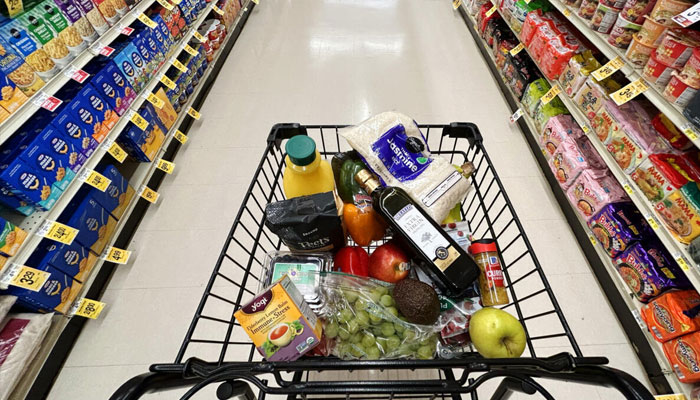
WASHINGTON: Retail sales in the United States were near-flat in April, government data showed on Thursday, with indications that spending is slowing after consumers rushed to beat higher prices from President Donald Trump´s sweeping tariffs.
Overall sales nudged up 0.1 per cent to $724.1 billion last month, the Commerce Department said, slightly below a Briefing[dot]com consensus forecast. But the rate was significantly down from March’s revised growth of 1.7 per cent, when buyers sought to get ahead of Trump’s broad levies that he said were coming in April.
From a year ago, retail sales were still up by 5.2 per cent last month.“It does look like the consumers, as was generally expected, are starting to pull back,” Nationwide chief economist Kathy Bostjancic told AFP.
“They pulled forward so much spending ahead of the tariffs. It’s only natural that we’re going to see some payback in the coming months,” she added.Analysts had expected headline retail sales to be relatively flat, in part after auto sales jumped in March.
Excluding sales at motor vehicles and parts dealers, retail sales rose 0.1 per cent between March and April.Sales at gasoline stations dropped 0.5 per cent from the prior month in April, while those at vehicles and parts dealers slipped 0.1 per cent too. But Oxford Economics’ deputy chief US economist Michael Pearce noted the auto sector’s performance remained resilient and that “a decent rise in spending at bars and restaurants” suggests a plunge in consumer confidence had yet to fully hit discretionary spending.
Sales at restaurants and bars increased 1.2 per cent.Although analysts at Pantheon Macroeconomics anticipated other components to hold up, spending on clothing and at department stores slid.
‘Broader slowdown’
The shifts came as consumer confidence fell last month, reflecting concerns about Trump’s tariffs on friend and foe, particularly targeting goods from China.Apart from imposing a 10 per cent tariff on most trading partners, Trump targeted imports from China with much sharper levies above 100 per cent, but now at 30 per cent after a temporary de-escalation this week.
Pearce of Oxford Economics said retail spending will likely weaken ahead, anticipating a “broader slowdown in response to tariff-fuelled price increases”.Already, major retailer Walmart warned Thursday of higher prices and continued uncertainty over tariffs.
“That’s going to weigh on spending,” said Bostjancic. “We also think that the labour market will continue to weaken,” translating to less job and income growth that consumers can tap to fund purchases.







-
 YouTube Tests Limiting ‘All’ Notifications For Inactive Channel Subscribers
 -
 'Isolated And Humiliated' Andrew Sparks New Fears At Palace
 -
 Google Tests Refreshed Live Updates UI Ahead Of Android 17
 -
 Ohio Daycare Worker 'stole $150k In Payroll Scam', Nearly Bankrupting Nursery
 -
 Michelle Yeoh Gets Honest About 'struggle' Of Asian Representation In Hollywood
 -
 Slovak Fugitive Caught At Milano-Cortina Olympics To Watch Hockey
 -
 King Charles Receives Exciting News About Reunion With Archie, Lilibet
 -
 Nvidia Expands AI Infrastructure With Nevada Data Centre Lease
 -
 Royal Family Shares Princess Anne's Photos From Winter Olympics 2026
 -
 Tori Spelling Feels 'completely Exhausted' Due To THIS Reason After Divorce
 -
 SpaceX Successfully Launches Crew-12 Long-duration Mission To ISS
 -
 PlayStation State Of Play February Showcase: Full List Of Announcements
 -
 Ed Sheeran, Coldplay Caught Up In Jeffrey Epstein Scandal
 -
 US, China Held Anti-narcotics, Intelligence Meeting: State Media Reports
 -
 Paul Anthony Kelly Reveals How He Nailed Voice Of JFK Jr.
 -
 Victoria, David Beckham React To Marc Anthony Defending Them Amid Brooklyn Drama