
‘Influenced’ policing in Islamabad
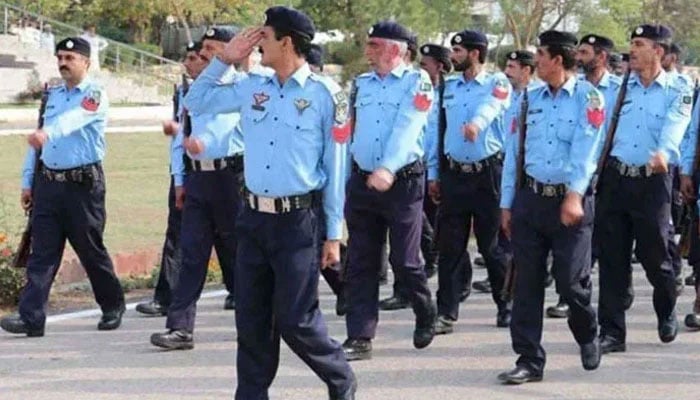
Islamabad : In the policing structure of the federal capital, a particular dynamic continues to shape how law enforcement operates. Station House Officers (SHOs), central to local policing, often find their career progression influenced by performance indicators that prioritize visible, quantifiable outcomes over more nuanced aspects of public service. This performance-based environment, though designed to improve efficiency, can sometimes result in officers focusing more on impressing superiors than addressing the deeper requirements of community-oriented policing.
The reliance on self-devised performance metrics-such as arrest counts or the number of raids-risks overshadowing equally important yet less tangible responsibilities, including building public trust, practicing ethical conduct, and engaging in proactive crime prevention.
This situation becomes more concerning when combined with gaps in training among police personnel. While some officers manage to perform well within the existing reward structure, the absence of comprehensive training often leaves others ill-prepared to deal with the complex and evolving nature of modern policing.
Inadequately trained officers may have only a limited understanding of the legal frameworks that guide their work. This can lead to procedural missteps such as unlawful searches, improper evidence handling, and violations of due process. A lack of familiarity with the Pakistan Penal Code (PPC), Criminal Procedure Code (CrPC), and relevant local laws may result in wrongful arrests, compromised investigations, and a weakening of the justice system. These issues can erode public confidence in law enforcement.
Moreover, modern policing emphasizes conflict resolution and the minimization of force. Officers without proper training may lack the communication skills and situational awareness necessary to defuse tense encounters, increasing the risk of unnecessary escalation and harm to both civilians and officers. Over-reliance on force rather than dialogue can further strain relations between the police and the communities they serve.
Effective investigations depend on securing crime scenes, collecting evidence, conducting interviews, and understanding forensic processes. Officers who lack foundational training in these areas may inadvertently compromise cases, reducing the likelihood of successful prosecutions and impacting overall public safety.
Community engagement is another vital aspect of policing. Officers who have not received adequate training in cultural awareness and communication may struggle to build trust, understand local issues, or collaborate effectively with residents. This disconnect can hinder community-based crime prevention efforts.
Ethical training is equally important. Without a clear understanding of fairness, accountability, and respect for human rights, officers may engage in biased or inappropriate conduct. Such actions not only violate citizens’ rights but also damage the credibility of the police force.
As technology becomes increasingly central to policing-through data management, communication systems, and crime analysis-officers unfamiliar with these tools may be less effective in responding to incidents or contributing to intelligence-led operations.
Physical readiness is another key area. While not the sole indicator of effectiveness, basic fitness and self-defense training are essential for handling confrontational situations lawfully and safely. Officers lacking this training may face challenges in managing physical threats, possibly leading to avoidable injuries or excessive force.
In addition, policing often requires handling specialized situations, such as mental health crises, domestic disputes, or public order management. Officers untrained in these areas may be ill-equipped to respond appropriately, increasing the risk of negative outcomes.
While a performance-driven system may incentivize certain activities among SHOs, it cannot substitute for the need for consistent and comprehensive training across the force. Gaps in legal knowledge, investigative ability, community relations, ethical standards, and operational skills can undermine both the effectiveness and legitimacy of the police.
To strengthen policing in Islamabad, reforms must focus on robust and continuous training programs that address legal literacy, conflict resolution, investigation procedures, community engagement, ethical practices, technological competence, physical readiness, and specialized response capabilities. A more balanced approach that values both performance and professionalism is essential for fostering a police force that is effective, fair, and trusted by the public.







-
 Daniel Radcliffe Admits To Being Self Conscious While Filming 'Harry Potter' In Late Teens
 -
 Director Beth De Araujo Alludes To Andrew's Arrest During Child Trauma Talk
 -
 Video Of Andrew 'consoling' Eugenie Resurfaces After Release From Police Custody
 -
 'Harry Potter' Alum Daniel Radcliffe Gushes About Unique Work Ethic Of Late Co Star Michael Gambon
 -
 Japan: PM Takaichi Flags China ‘Coercion,’ Pledges Defence Security Overhaul
 -
 Angorie Rice Spills The Beans On Major Details From Season 2 Of ' The Last Thing He Told Me'
 -
 Questions Raised Over Andrew Mountbatten-Windsor's Line Of Succession
 -
 'Shameless' Sarah Ferguson 'pressuring' Princess Eugenie, Beatrice For Major Reason
 -
 Teacher Arrested After Confessing To Cocaine Use During Classes
 -
 Paul McCartney Talks 'very Emotional' Footage Of Late Wife Linda In New Doc
 -
 Princess Beatrice, Princess Eugenie's Response To Andrew's Arrest Revealed
 -
 King Charles And Princess Anne Bestow Honours At Windsor Castle
 -
 King Charles 'worried' As Buckingham Palace, Royal Family Facing 'biggest Crisis'
 -
 Milo Ventimiglia Recalls First Meeting With Arielle Kebbel On The Sets Of 'Gilmore Girls' Amid New Project
 -
 Eric Dane Infuriated After ALS Diagnosis As He Feared The Disease Would Take Him Away From His Girls
 -
 It's A Boy! Luke Combs, Wife Nicole Welcome Third Child