
Excessive belly fat harms men’s reproductive health, say experts
Experts warn that abdominal obesity in men is not merely a cosmetic concern but a major hormonal disruptor
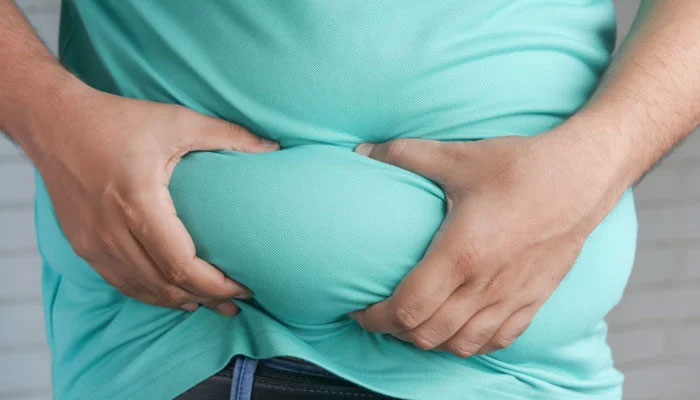
KARACHI: As nearly 70 percent of Pakistani adults are now classified as overweight or obese, health experts are sounding the alarm over a silent but devastating consequence of belly fat in men — the loss of hormonal balance leading to loss of sexual vitality and fertility.
Experts warn that abdominal obesity in men is not merely a cosmetic concern but a major hormonal disruptor. Fat cells around the belly act as hormone factories, releasing aromatase — an enzyme that converts testosterone into estrogen.
This silent shift leads to reduced libido, erectile dysfunction, infertility, and in some cases, gynecomastia (development of breast tissue in men), coupled with emotional instability, fatigue, and depression.
“Fat around the waist isn’t just storage. It behaves like an endocrine organ, and in men, it steals their testosterone,” explained Dr. Khurram Shehzad, senior endocrinologist. “This creates a dangerous hormonal imbalance, lowering libido and sexual performance, and affects overall masculinity.”
According to experts, a waist size over 90 cm (35 inches) in men is a red flag. This level of abdominal fat is associated with insulin resistance, systemic inflammation, and impaired nitric oxide production in blood vessels — a key factor in achieving and maintaining erections.
“If not addressed, the hormonal imbalance can progress to hypogonadism, where the testes stop producing sufficient testosterone altogether,” warned Prof. Abbas Raza, an endocrinologist. He emphasized that obesity is a treatable medical condition, not a personal failure.
Treatment starts with lifestyle changes. Health professionals recommend 30–45 minutes of brisk walking daily, with appropriate dietary changes in consultation with doctors, stress control, and at least seven hours of sleep per night. Even modest weight loss — around 5 to 10 kg — can lead to noticeable improvements in testosterone and sexual function.







-
 David Beckham Sends Message To Spain Over World Cup Success
 -
 Wildfire Smoke Expected Across Edmonton As Temperatures Climb This Week
 -
 'The Princess And The Frog' To Return As Live-action Film But With A Fresh Story
 -
 JetBlue Wins Spirit’s LaGuardia Slots In $58 Million Bankruptcy Auction
 -
 Prince Harry Teasingly Calls Out James Corden Over 'soccer' Remark
 -
 US Accuses Cuba Of Influencing American Politics In New Report
 -
 Darline Graham Confirms Run For Lindsey Graham's Former Senate Seat
 -
 Trump Imposes 50% Tariffs On Canadian Goods Over Trade Dispute
 -
 ESPN Reportedly Planning To Part Ways With NFL Analyst Ryan Clark
 -
 Matisse Thybulle Joins Lakers On One-year Deal After Leaving Trail Blazers
 -
 'Jennifer's Body' Sequel Reportedly In The Works With Megan Fox
 -
 Trump’s Truth Social Data Strategy Struggles As Profits Decline
 -
 Alaska Bush Pilot Asks Supreme Court To Overturn Plane Confiscation
 -
 Italy Approaching Former Manchester City Boss Pep Guardiola For National Team Coach Role
 -
 New Trump Green Card Rule Could Affect Immigrants Using Public Benefits
 -
 Matt Damon Gives Credit To Female Stunt Double In 'The Odyssey'