
Trade turmoil may ease inflation, hurt exports: brokerage firm
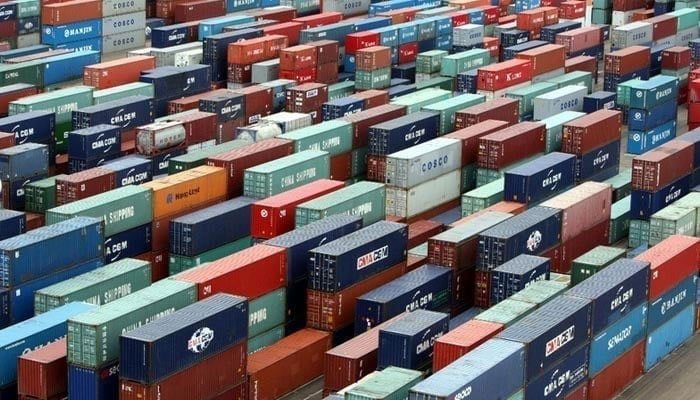
KARACHI: Falling commodity prices, driven by the global trade war initiated by US President Donald Trump’s sweeping levies and retaliatory actions from other nations, are expected to reduce Pakistan’s oil import bill to $2-2.1 billion, according to a report issued on Tuesday.
However, the imposition of 29 per cent tariffs on Pakistani goods exported to the US may put pressure on the country’s textile exports. Islamabad plans to develop a strategy to address US reciprocal trade measures and tariffs.
A Karachi-based brokerage firm, Topline Securities, said in a client note that declining commodity prices are expected to impact Pakistan’s macroeconomic indicators, including external accounts, the current account, inflation and fiscal accounts.
Last week, Trump imposed significant tariffs on imports from US trading partners. Recession fears, intensified by the trade conflict between the US and China -- the world’s two largest economies -- have led to a substantial decrease in oil prices. The Bloomberg Commodity Index has fallen by 8.0 per cent over the last three trading sessions. Specifically, crude oil prices (Brent) have decreased by 14.3 per cent to $64.2 per barrel, while Richards Bay Coal Futures (April) are down 6.1 per cent to $88.5 per tonne.
“We have run a sensitivity analysis of a decline in oil prices by $10/barrel; this brings down oil-related import bill (including RLNG) to the extent of $2-2.1 billion,” it added.
“In addition to oil, Pakistan can also save $250-300 million annually from coal, LPG, and palm oil if lower levels of prices persist. Oil prices also affect inflation directly, and with a $10/barrel decline in oil, the inflation will be directly impacted by 20 bps [basis points], assuming the benefit is passed on to the consumers,” it added.
Inflation in Pakistan is trending downward, with authorities attributing this decrease to economic stabilisation achieved under the International Monetary Fund (IMF) loan programme. In March, the Consumer Price Index inflation slowed to 0.69 per cent, marking its lowest rate in more than seven years.
The report indicates that textiles, which account for 75 per cent of the country’s total exports of $5 billion to $6 billion, are likely to be affected by the higher US tariffs. A decline of 5-10 per cent in textile exports to the US could lead to a reduction in the export bill by $200 million to $450 million.
The report suggests that any potential rating upgrades may be delayed due to global tensions. The uncertainty surrounding global economies, exacerbated by tariffs, could lead rating agencies to adopt a more conservative approach regarding frontier emerging countries like Pakistan.“Rating agencies may also take a view on Pakistan’s external inflow sources, ie, exports, remittances, and debt borrowing, which we believe will be affected.”







-
 Pete Davidson’s Girlfriend Elsie Hewitt Says 'everything Hurts' After Sudden Medical Emergency
 -
 Princess Beatrice 17 Holidays Per Year Exposed Amid Andrew Arrest
 -
 Who Is 'Queen Of Woke'? UK First Female Civil Head
 -
 Dwayne Johnson Confesses What Secretly Scares Him More Than Fame
 -
 Elizabeth Hurley's Son Damian Breaks Silence On Mom’s Romance With Billy Ray Cyrus
 -
 Shamed Andrew Should Be Happy ‘he Is Only In For Sharing Information’
 -
 Daniel Radcliffe Wants Son To See Him As Just Dad, Not Harry Potter
 -
 Apple Sued Over 'child Sexual Abuse' Material Stored Or Shared On ICloud
 -
 Nancy Guthrie Kidnapped With 'blessings' Of Drug Cartels
 -
 Hailey Bieber Reveals Justin Bieber's Hit Song Baby Jack Is Already Singing
 -
 Emily Ratajkowski Appears To Confirm Romance With Dua Lipa's Ex Romain Gavras
 -
 Leighton Meester Breaks Silence On Viral Ariana Grande Interaction On Critics Choice Awards
 -
 Heavy Snowfall Disrupts Operations At Germany's Largest Airport
 -
 Andrew Mountbatten Windsor Released Hours After Police Arrest
 -
 Heidi Klum Eyes Spooky Season Anthem With Diplo After Being Dubbed 'Queen Of Halloween'
 -
 King Charles Is In ‘unchartered Waters’ As Andrew Takes Family Down