
Why Pakistan needs to overhaul its economic strategy
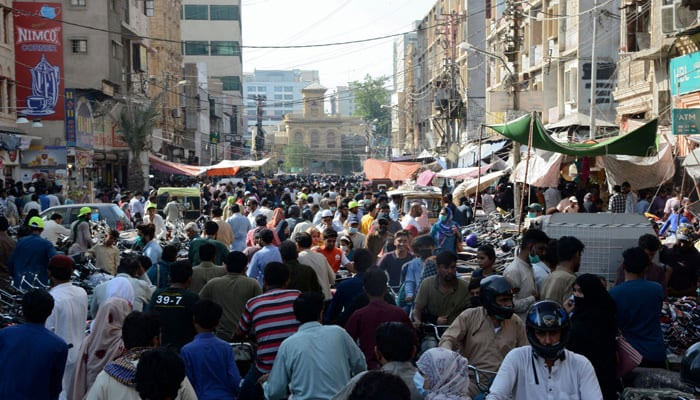
LAHORE: The economy is not just about generating wealth. In Pakistan, a select few amass vast fortunes, while society as a whole remains deprived. Sustainable economic growth requires better allocation of resources and a more integrated social and economic framework.
For decades, Pakistan’s economic strategy has centred on protecting domestic industries from competition. Rather than prioritising technological advancement, the country has allowed obsolete technology to replace imports through protectionist policies. As a result, Pakistan produces goods that are uncompetitive in global markets. For instance, the country continues to manufacture cars using outdated technology from small plants that were long abandoned in developed nations. These inefficient plants lack economies of scale, making it impossible to compete internationally even after more than two decades of protectionism.
In contrast, economies such as South Korea, China and Malaysia embraced globalisation by importing knowledge, technology, and expertise. Equipped with these tools, they capitalised on global demand, gaining access to expansive markets. These countries did not hesitate to import what they lacked but ensured they exported what the world needed.
Governments in these successful economies also exercised fiscal discipline. They ran budget deficits and had high debt-to-GDP ratios but ensured that public debt remained manageable. Economic growth consistently outpaced the accumulation of public liabilities. In contrast, Pakistani governments have been fiscally irresponsible, running unsustainable budget deficits, with debt-to-GDP ratios steadily increasing.
A common characteristic of high-growth economies is their future-oriented approach -- they sacrifice short-term consumption in favour of long-term income growth. Over the past 25 years, China has saved over a third of its national income annually. India has now reached a savings rate of 34 per cent, whereas Pakistan’s rate remains less than half of that.
Policymakers here have acted hastily, disregarding the fact that a country’s comparative advantage evolves over time. In periods of rapid economic growth, capital and labour shift dynamically between sectors and industries. A low-skilled workforce gradually transforms into a highly skilled one. This mobility of resources is a hallmark of all high-growth economies. Prudent governments do not resist such transitions; instead, they facilitate them while managing their impact.
However, successive governments have consistently shielded inefficient industries. Several key sectors suffer from inefficiencies due to structural, policy and operational shortcomings. The power sector is one of the most glaring examples. Transmission and distribution infrastructure is outdated, leading to significant energy losses. Political interference, inadequate investment in grid modernisation, and inefficiencies in state-owned distribution companies (Discos) further exacerbate the issue.
The textile industry, despite being the leading export sector, struggles with low-value addition. Many mills operate with outdated machinery, raising production costs. Unlike Bangladesh and Vietnam, Pakistan lacks strong global brands and efficient supply chains, limiting its competitiveness. The steel and engineering sector also faces major challenges. The country’s reliance on expensive imported steel stems from a lack of domestic capacity. Once a key producer, Pakistan Steel Mills (PSM) has remained non-functional since 2015 due to mismanagement and corruption.
Pakistan Railways has suffered years of decline caused by inefficiency, corruption, outdated infrastructure, and financial mismanagement. The absence of an integrated public transport system has resulted in an overreliance on inefficient buses and motorcycles. Similarly, the oil refining sector lags behind due to outdated technology. Many refineries produce high volumes of furnace oil, a product with limited demand. Instead of upgrading refining capacity, Pakistan continues to import refined petroleum, increasing its reliance on costly foreign fuel.







-
 Global Oil, Gas Shipping Costs Soar As Iran Warns Of Strait Of Hormuz Closure
 -
 Beyond The Smartphones: Qualcomm CEO Sees Robotics As Top Growth Engine By 2028
 -
 Cristiano Ronaldo Flees Saudi: €61m Private Jet Hits Madrid Amid Middle East Turmoil
 -
 Is AI Monitoring Your Every Action At Work?
 -
 Timothée Chalamet Faces Major Blow Ahead Of 2026 Oscars: 'In Depth Of Disappointment'
 -
 2026 El Nino Alert: World May Witness ‘exceptionally Record High’ Global Temperatures
 -
 Eamonn Holmes Claims Ex Ruth Langsford 'painted Him As Villain' In Her New Book
 -
 Musk's X, XAI Settle $17.5bn Debt Early, Investors Take Notice
 -
 King Charles’ Working Himself ‘into An Early Grave’ As Calamity Threatens Monarchy: ‘He’s Losing Allies’
 -
 Elderly Mom Of Nancy Guthrie’s Kidnapping Suspect Tells Story Of Six-hour Long Raid On Her Home
 -
 Taylor Swift Displays 'Elizabeth Taylor' Cover Art Before Record Store Day Vinyl Release
 -
 AI Is Changing Academic Research And Surpassing PhD Scholars–Here’s How
 -
 Blood Moon 2026: Best Viewing Tips, Timing, And Locations For Tonight’s Eclipse
 -
 Princess Beatrice, Eugenie Are Wondering About Andrew, Sarah’s History: ‘How Can They Be So Stupid’
 -
 Watch: Luke Thompson Teach Jimmy Fallon A Romantic Bridgerton Dance
 -
 Kesha Criticizes Donald Trump For Using Her Song In TikTok Video: 'Disgusting'