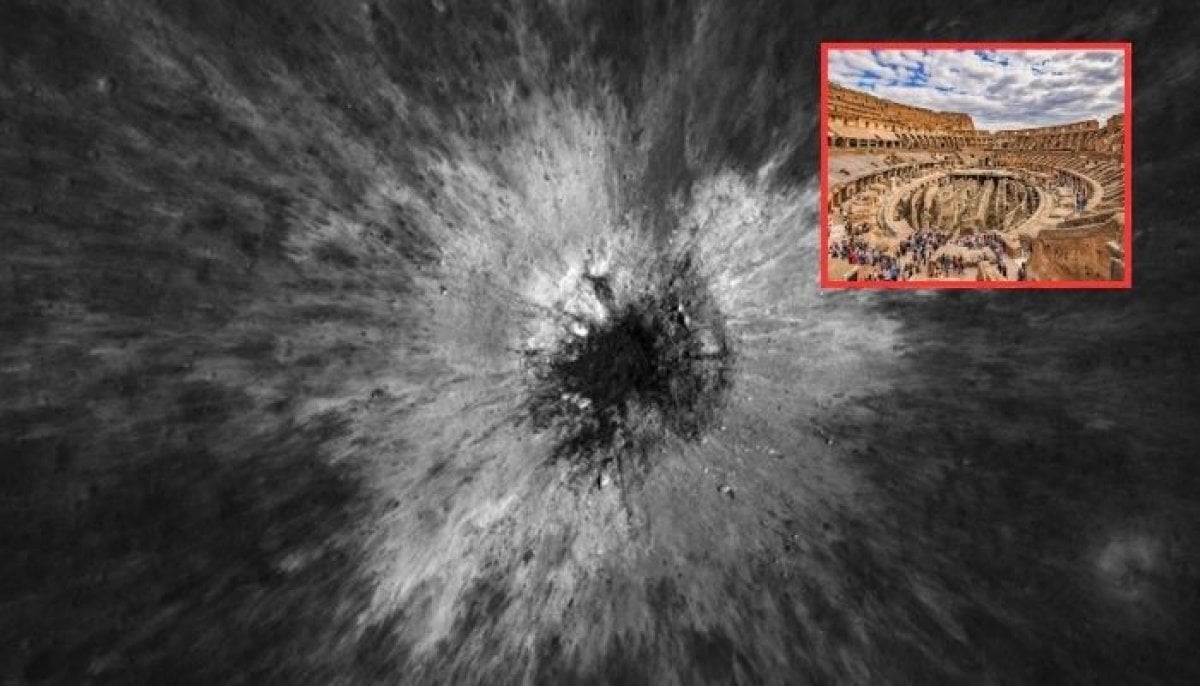
Blood Moon 2026: Best viewing tips, timing, and locations for tonight’s eclipse
The total lunar eclipse will be visible to skywatchers across North America, Australia, New Zealand, and Eastern Asia

The world is currently experiencing the total lunar eclipse on Tuesday, March 3, 2026, and a spectacular “Blood Moon” will be visible to an estimated 3 billion people. The full Moon will pass completely into Earth’s dark shadow, turning deep coppery red. Lunar eclipses are safe to watch with the naked eye, and no special glasses are required. Simply find the moon at the right time, sit back, relax, and enjoy the remarkable scene.
When to look: Complete schedule of tonight’s Blood Moon
The best time to look at the total lunar eclipse will be at 6:33 a.m. EST on March 3, during the peak of totality when the moon sits in the deepest part of Earth’s shadow. You can comfortably watch the entire event, starting with the partial eclipse phase around 4:50 a.m. EST, as Earth’s shadow gradually takes bigger and bigger bites out of the moon. The Moon will turn a deep blood-red at 6:04 a.m. EST, a phase that will last for 58 minutes.
Tips for viewing tonight’s enchanting Blood Moon
- It is crucial to check your local weather forecast and have a nearby backup spot if you need to change plans.
- The phenomenon of the lunar eclipse builds slowly, and it is better to watch it before, during and after totality to really appreciate the spectacle.
- It is better to keep a keen eye as the moon will set during the totality phase, so it is better to pick an observing spot with a clear view of the western horizon.
- Use a forecasting app or any online celestial calendar to look up the exact timing for your area. It is recommended not to be out there the whole time but do check in periodically to see the shadows moving. August’s partial lunar eclipse will be visible across the Americas, Europe, Africa, and West Asia.


-
 New study explains 364-day Qumran calendar puzzle
 -
 Why does time feel faster as you age? Science explains
 -
 Scientists name newly discovered snake after Guns N' Roses' Slash
 -
 SpaceX secures three new NASA crew flights: What to know
 -
 Sovereign AI fund in talks to back Political Sciences: What to know
 -
 What recent discovered Moon Crater Means for Future Astronauts
 -
 Scientists discover new wild cat species in Bolivia for the first time in a century
 -
 SpaceX turns to failed startups for AI training: Here’s why