Health experts call for banning toxic ‘forever chemicals’ in Pakistan
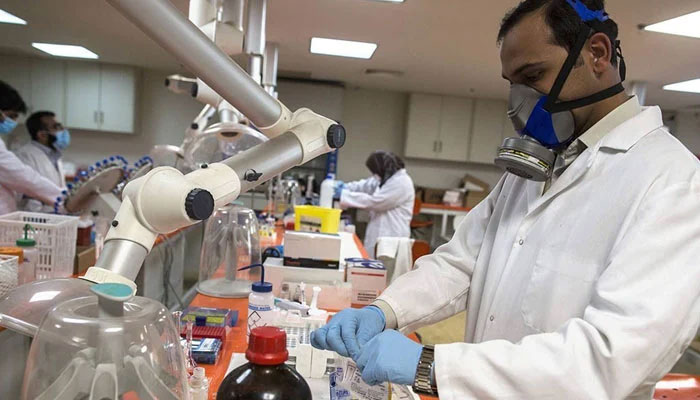
National and international health experts and environmental researchers are urging the Pakistani government to take immediate action against per- and polyfluoroalkyl substances (PFAS) following France’s landmark decision to ban these harmful chemicals.
PFAS, or “forever chemicals”, are used in non-stick cookware, food packaging, waterproof clothing and industrial products for their resistance to water, heat and grease.
However, their persistence in the environment and human body poses serious health risks, including cancer and immune disorders. With growing global restrictions, experts warn that Pakistan must regulate PFAS to prevent long-term public health and environmental damage.
Newly published research by Dr Sadia Khan, a Pakistani physician and research scientist based in France, has been highlighted in the French media as a significant contribution to the evidence against PFAS.
Her study, published in Environment International, is the first epidemiological research to examine the impact of PFAS on human placental histology. The findings reveal that PFAS chemicals may disrupt critical exchange mechanisms between mother and foetus, posing severe risks to both maternal and foetal health.
“PFAS are a significant global public health concern, with their persistence in the environment linked to serious health risks,” said Dr Sadia. “These chemicals are widely used in Pakistan, highlighting the need for thorough research into their impact.”
She urged researchers in Pakistan to conduct nationwide studies on the health risks PFAS pose, particularly to vulnerable populations. According to her, these chemicals are highly persistent, accumulating in the environment and the human body over time.
Scientific studies have linked PFAS exposure to cancer, thyroid disorders, immune system dysfunction, and reproductive and developmental issues. Without stringent policies, PFAS continue to contaminate soil and water, ultimately entering the food chain and posing serious health risks.
European Commission President Ursula von der Leyen recently described PFAS contamination as “one of the worst environmental disasters”, with estimated clean-up costs exceeding €100 billion annually.
A separate study published in Chemosphere examined PFAS contamination in edible fish species from major tributaries of the Indus River. The findings revealed alarmingly high concentrations of PFAS in certain fish species, highlighting severe environmental pollution. Regular consumption of contaminated seafood and water sources can pose long-term health risks for millions of Pakistanis.
Despite growing global concerns, awareness and regulation of PFAS in Pakistan remain minimal. Dr Sadia emphasised the urgent need for Pakistan to follow France’s lead in banning PFAS in consumer goods and industrial applications.
“PFAS are a serious public health threat, and without decisive action, Pakistan risks facing a silent but severe health crisis. Recently, Canada added PFAS to its list of toxic substances, recognising their links to cancer and other diseases.”
She said that this global shift toward stricter regulations should prompt Pakistan to implement similar proactive measures to prevent further contamination, and protect public health and the environment.
Environmental activists and health experts are calling on the Ministry of Climate Change and the Ministry of National Health Services to implement strict monitoring and regulatory frameworks. They warn that without government intervention, PFAS contamination can evolve into a silent but devastating public health crisis in Pakistan.
France’s decision sets a global precedent for stricter PFAS regulations. For Pakistan, adopting similar measures can be a crucial step toward safeguarding public health and ensuring environmental sustainability for future generations.







-
 Nicola Peltz's Ex's Sister Reveals 'truth' About Actress Amid Brooklyn Beckham Drama
 -
 Davos: Elon Musk’s Surprise Addition To The Schedule Draws Global Attention
 -
 Why Kylie Jenner's Family Loves Timothée Chalamet
 -
 World's Oldest Artwork: 68,000 Year-old Cave Paintings Discovered In Indonesia
 -
 Brooklyn Beckham’s Family Feud Shows No Signs Of Healing Anytime Soon
 -
 Spain Calls For EU Joint Army After Trump’s Declaration Of Greenland Deal
 -
 Elon Musk Pokes Fun At Anthropic, Calls It 'misanthropic'
 -
 Gwyneth Paltrow Opens Up About Coping With ‘anxiety’
 -
 New Study Links ‘binge-watching Addiction’ To Increased Social Isolation
 -
 Jason Statham Reflects On Intenses Physical Demands Of Work
 -
 Why Cancer Comes Back And How Scientists Believe It Can Be Stopped
 -
 US To Exit WHO: A Seismic Shift In Global Health?
 -
 Palace Staff Reveals Nothing Has Changed For ‘disgraced’ Andrew After Losing Titles
 -
 How Did Taylor Swift Cope With ‘exhausting’ Sickness During Popular ‘Eras Tour’
 -
 Artists Launch ‘Stealing Isn’t Innovation’ Campaign Against AI Use
 -
 Elon Musk’s XAI Grok Imagine Now Generates 10-second Videos With Sharper Quality: Here’s How