New study links ‘binge-watching addiction’ to increased social isolation
Binge-watching your favorite TV show may feel like a way to relieve stress, but it can lead to addiction making you more likely to feel lonely

According to a new study, binge-watching your favourite TV shows can shift from a normal habit toward addiction when driven by loneliness. The research suggests that people who watch to the point of addiction are more likely to feel lonely.
The study published in the journal PlOS One, demonstrated a crucial link between loneliness and binge-watching addiction, while offering ways to cope with social disconnection.
The study was conducted under the supervision of researchers Xiaofan Yue and Xin Cui from Huangshan University in China who analyzed survey responses from 551 adults. All these participants watched at least 3.5 hours of TV per day and more than four episodes per week.
The team found that higher levels of loneliness were substantially associated with more severe-binge-watching addiction. This crucial link was not found among heavy viewers who did not meet certain criteria for addiction, suggesting that addictive binge-watching may be driven by distinct psychological factors.
The researchers further examined why people pick up binge-watching habits and found that loneliness was closely tied to two main factors: such as escapism and emotional enhancement.
The analysis showed that individuals who feel lonely may turn to TV to avoid negative emotions while seeking pleasure.
It has been observed that the study has its own limitations as it did not identify a cause- and-effect relationship. This means that it cannot definitely prove that loneliness leads to addictive binge-watching.
Future studies are needed to explore whether reducing loneliness could prevent or address problematic binge-watching behavior.


-
 Who is Song Li? China puts her forward for WHO leadership role
 -
 CDC monitors travelers from Siberia after plague worker’s death, director says
 -
 Russia pushes back on plague death reports, defends WHO notification
 -
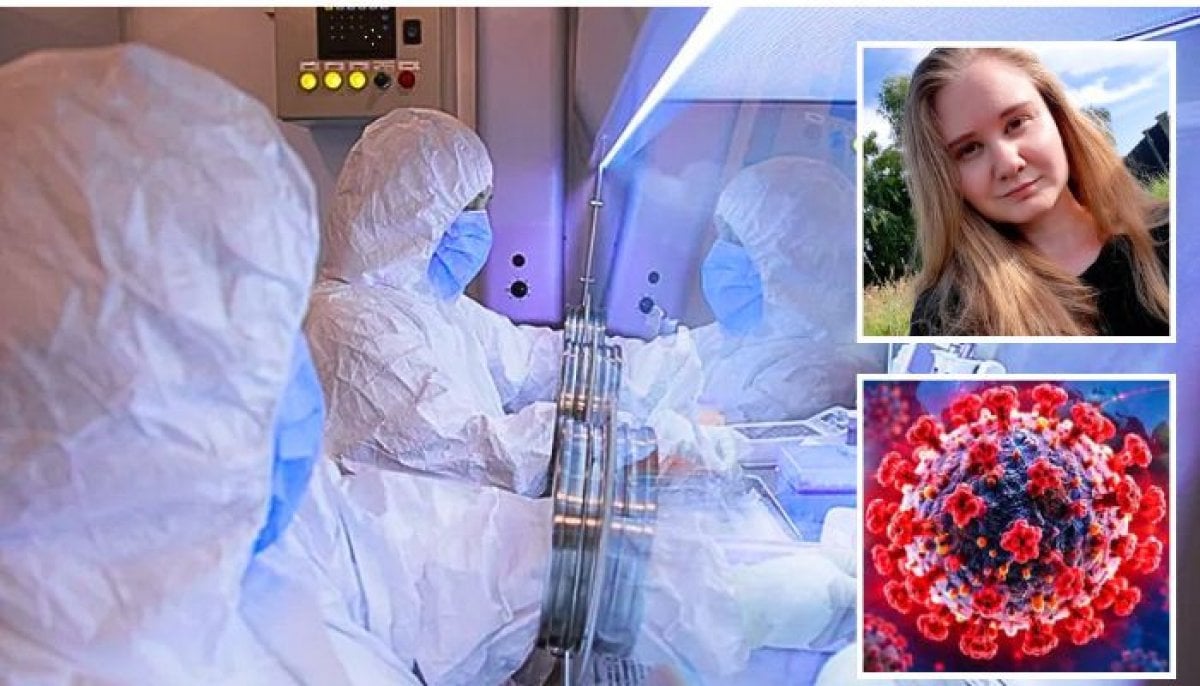 WHO deems Russia plague risk 'low' following lab technician’s fatal illness
 -
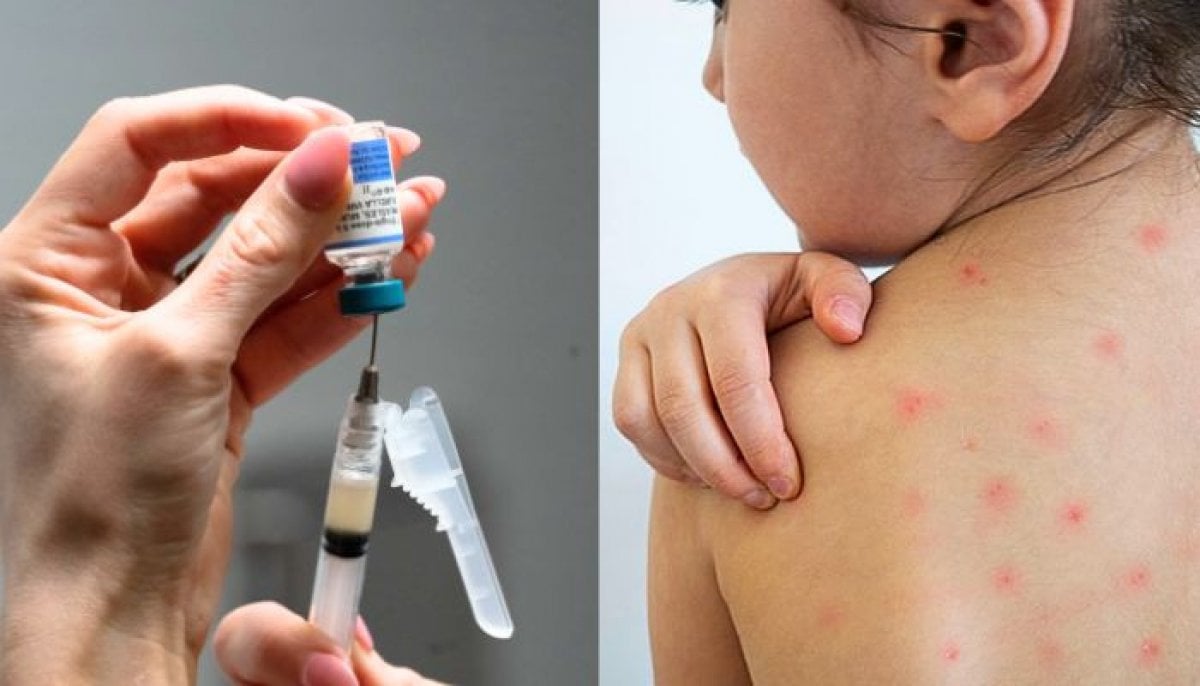 New York declares Measles state of emergency amid nationwide disease resurgence
 -
 First-of-its-kind treatment shrinks unborn baby’s tumour before birth
 -
 France steps up Ebola support in Congo as fears of resurgence grow
 -
 Vance’s fraud crackdown may raise health insurance costs for Americans
-
 One common mistake elevates blood pressure readings by 7 points, study warns
 -
Moderna loses US government license defense in patent case
-
Novo says new Ozempic shows lower cardiovascular risk compared with Lilly’s Mounjaro
-
University of Nottingham researchers say new gel could regrow tooth enamel in weeks