Vaccines may do far more than prevent infections
New research has suggested that vaccines might do more than just prevent disease
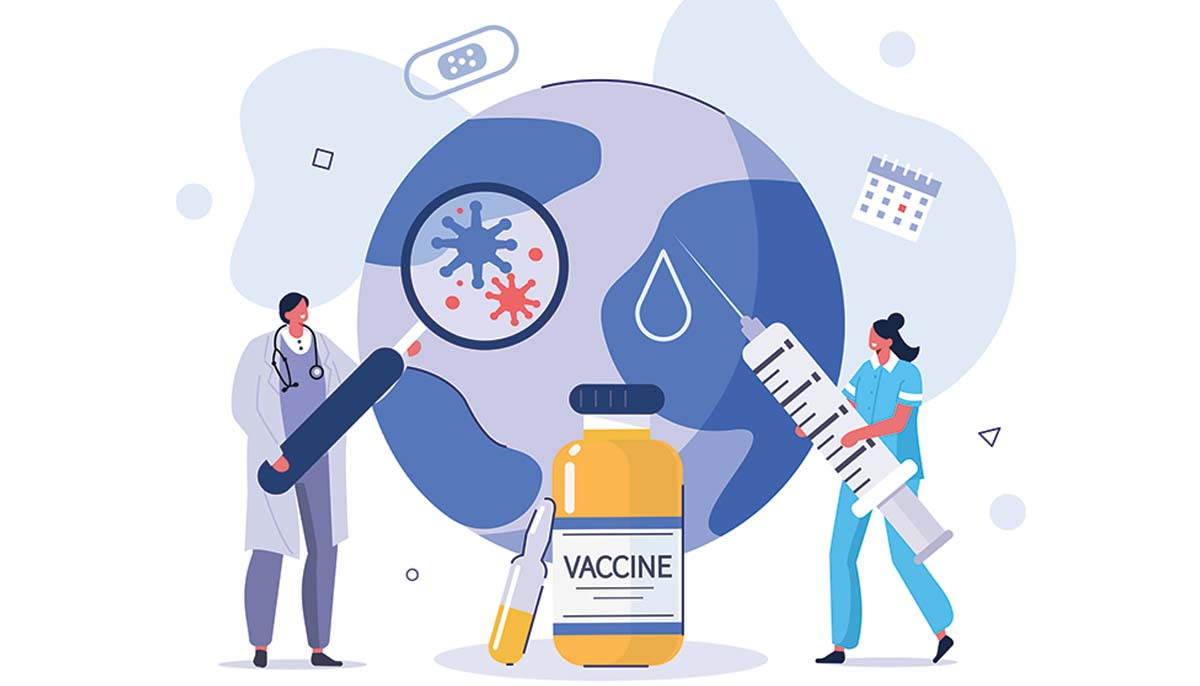
Did you know vaccines may be playing a role other than preventing infections in your body.
The way that some inoculations train your immune system could also reduce the risk of cancer, stroke, or heart attacks, and possibly guard against dementia.
New evidence shows that the shingles vaccine is linked to slower aging, with benefits that can last for several years after vaccination.
The findings suggest that the vaccine may have "broad" and lingering effects on "aging-related processes," according to the authors, gerontologists Jung Ki Kim and Eileen Crimmins from the University of Southern California.
The researchers found that among more than 3,800 participants in the US aged 70 or older, those who received the shingles vaccine after age 60 scored better on composite measures of biological aging than those who were unvaccinated.
Vaccinated participants also showed biological markers tied to lower inflammation and slower "molecular and overall biological aging," the researchers report.
While the study does not provide conclusive proof that the shingles vaccine leads to healthier aging outcomes, the findings add to several other observational studies linking the vaccine to widespread health benefits in later life, especially for the heart and brain.
"By helping to reduce this background inflammation – possibly by preventing reactivation of the virus that causes shingles – the vaccine may play a role in supporting healthier aging," Kim explained.
"While the exact biological mechanisms remain to be understood, the potential for vaccination to reduce inflammation makes it a promising addition to broader strategies aimed at promoting resilience and slowing age-related decline,” the expert added.
Shingles, also known as herpes zoster, is triggered by a reactivation of the varicella zoster virus that causes chickenpox. Most people are infected in childhood, after which time the virus lies dormant in their nervous systems.
For the average, healthy person, shingles doesn't pose a threat until later in life, which is why the two-dose vaccine is generally recommended for those over 60. About 30 percent of unvaccinated people will develop shingles in their lifetime.






-
 Global study reveals nearly 1.7 million deaths linked to second-hand smoke exposure in 2023
 -
 AI-designed drug also slowed biological aging, study finds
 -
 Always tired and foggy? This vitamin deficiency could be the clue
 -
 Is loneliness becoming the next global health crisis?
 -
 Ebola outbreak: Congo faces deadliest crisis with over 3,000 deaths
 -
 New report reveals, children as young as six going to A&E in mental health crisis
 -
 'Self-exercising' muscle implants developed by researchers offer workout benefits without movement
 -
 GLP-1 drugs cut US obesity from 39.9% to 36.4%
-
 New clinical trial highlights precision-dosing strategy for vitamin D deficiency management
 -
Cyclospora outbreak: USDA research projects shelved amid funding cuts and relocations
-
AI tool flags severe heart failure with 91% sensitivity
-
Xylitol sweetener may raise stroke and heart attack risks, study suggests