
Why cancer comes back and how scientists believe it can be stopped
Scientists may have discovered potential molecule that stops cancer from coming back
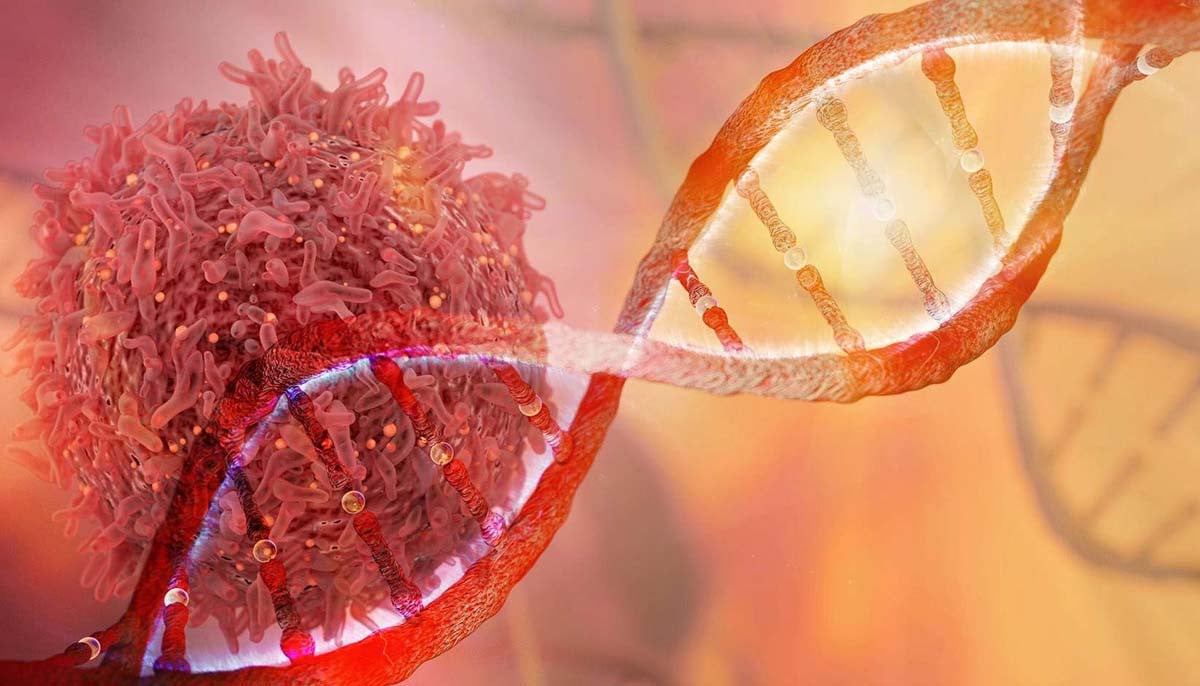
Cancer treatment has improved greatly over the past few decades, but one frightening problem still remains: relapse. Many patients go through surgery, chemotherapy, or radiation and are told their cancer is gone.
They return to normal life with hope and relief. But sometimes, years later, the cancer comes back even stronger and doctors have long struggled to understand why this happens.
Researchers now believe that one of the main reasons is a tiny group of cells called cancer stem cells and these cells behave very differently from regular cancer cells.
While most cancer cells grow quickly and are attacked by chemotherapy, cancer stem cells can “hide” in the body.
They stay quiet and inactive for long periods, almost like they are asleep. Because chemotherapy mainly targets fast-growing cells, these sleeping stem cells survive treatment. Later, they can wake up and start forming new tumors.
At Virginia Commonwealth University, Professor Umesh Desai has spent more than 30 years studying complex sugar-like molecules in the body that may help solve this problem.
His work focuses on glycosaminoglycans, often called GAGs, which are long chains of natural sugars that cover the surface of almost every human cell.
They are important for many processes, such as blood clotting, inflammation, cell growth, and communication between cells.
Although scientists have known about GAGs for many years, their exact roles in disease are still not fully understood.
Desai believed that GAGs could be more than just natural cell coatings. He thought they could inspire new medicines.
Natural GAGs like heparin are already used as blood thinners, but they can vary in quality and sometimes cause side effects. Desai’s lab began creating synthetic versions that copy specific parts of GAGs in a controlled and safer way.
This long research journey led to a new molecule called G2.2. Desai developed it together with Dr. Bhaumik Patel, a cancer doctor and researcher who studies colorectal and digestive cancers.
Desai compares cancer stem cells to a hibernating bear in winter. When the bear hibernates, it stays hidden in its den, sleeping and protected from danger. No matter how strong a weapon is, it cannot reach the bear while it hibernates.
In the same way, cancer stem cells hide from chemotherapy but G2.2 works differently. It interacts with a specific receptor on the stem cells, forcing them out of their resting state. Once these cells are active, the molecule triggers signals inside them that lead to their death.
The team tested G2.2 in many laboratory models and they found that it almost completely removed dormant stem cells in colorectal cancer. The molecule also showed similar effects in models of lung, brain, kidney, and pancreatic cancers. This suggests the approach may work for several different tumor types.
Another exciting find was safety in using G2.2 as in preclinical testing, it did not show major toxic effects. It even appeared to boost the immune system by activating T-cells that help the body fight cancer naturally.
G2.2 is still in the preclinical stage, but it may be a beacon of hope in cancer therapy. Instead of only attacking fast-growing tumors, it targets the hidden roots that allow cancer to grow back.







-
 Scientists discover tiny Antarctic sea creature that could help fight melanoma
 -
 Is UK heading for another heatwave? Here's what the latest forecast says
 -
 Shocking discovery at 'no-kill' shelter leaves dog owners distraught
 -
 EU launches investigation into Sanofi over alleged flu vaccine disparagement
 -
 How to survive Heatwave: Expert tips to stay cool in extreme temperatures
 -
 Rare genetic clue linked to healthy aging found in long-lived families
 -
 French fries raise diabetes risk 20%: New study warns
 -
 Study shows near-zero cervical cancer risk in young women


