Spain calls for EU joint army after Trump’s declaration of Greenland deal
Idea of joint army was first proposed in 1951
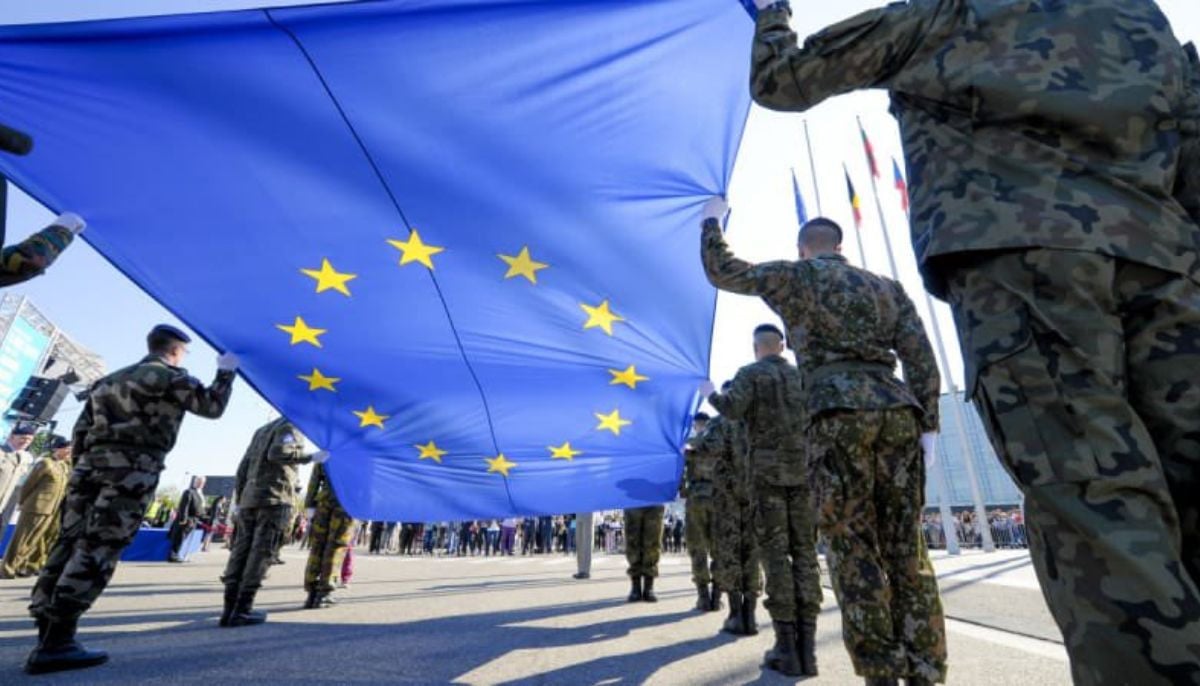
Spain in a recent move has called for creating a joint army for the EU bloc, aiming to deter the potential defense-related threats which are in play.
According to Spain’s Foreign Minister Jose Manuel Albares, the region should first combine its military resources and then mobilise the group of countries that are willing to work together.
As reported by Reuters, Albares cited that the creation of a much-needed army bloc would not replace NATO, affirming the importance of the transatlantic alliance for the EU.
“But we need to demonstrate that Europe is not a place that will let itself be coerced militarily or economically,” Albares said.
Albares said it is fair to wonder if Europeans will actually be willing to join militarily. However, it would be easier to build a strong army if EU member states work together, he argued.
“A joint effort would be more efficient than 27 separate national armies,” he added.
The remarks of Spain’s FM came as Trump announced that the US has formed a Greenland framework deal with NATO after weeks of dispute over strategically important Arctic territory.
The idea of creating the joint army is not new. The integration idea based on developing a supranatural European army, was first proposed in 1951 to counter the Soviet Union. But, it was rejected by France’s parliament in 1954.


-
 Abdul El-Sayed heckler linked to Republican strategist that was paid $250K to oppose him
 -
 Flights to Europe could get more expensive in 2027 as fuel costs surge, Ryanair warns
 -
 CNN threatens to sue Trump administration again over Air Force One press ban
 -
 Attack on Australian MP Helen Haines highlights escalating threats to public figures
 -
 Ilhan Omar's sister questioned by investigators amid US citizenship fraud probe
 -
 Zelenskyy calls Rubio talks constructive after Trump eases Russia sanctions for 60 days
 -
 Milan on high alert as Italy deploys 500 troops following days of riots and looting
 -
 Ex-Toronto Blue Jays player Richard Butler and wife accused of defrauding baseball families