Oil prices surge despite global move to release strategic reserves as geopolitical risks mount
Brent crude surged by almost 9%, topping $100 a barrel in Asian trading
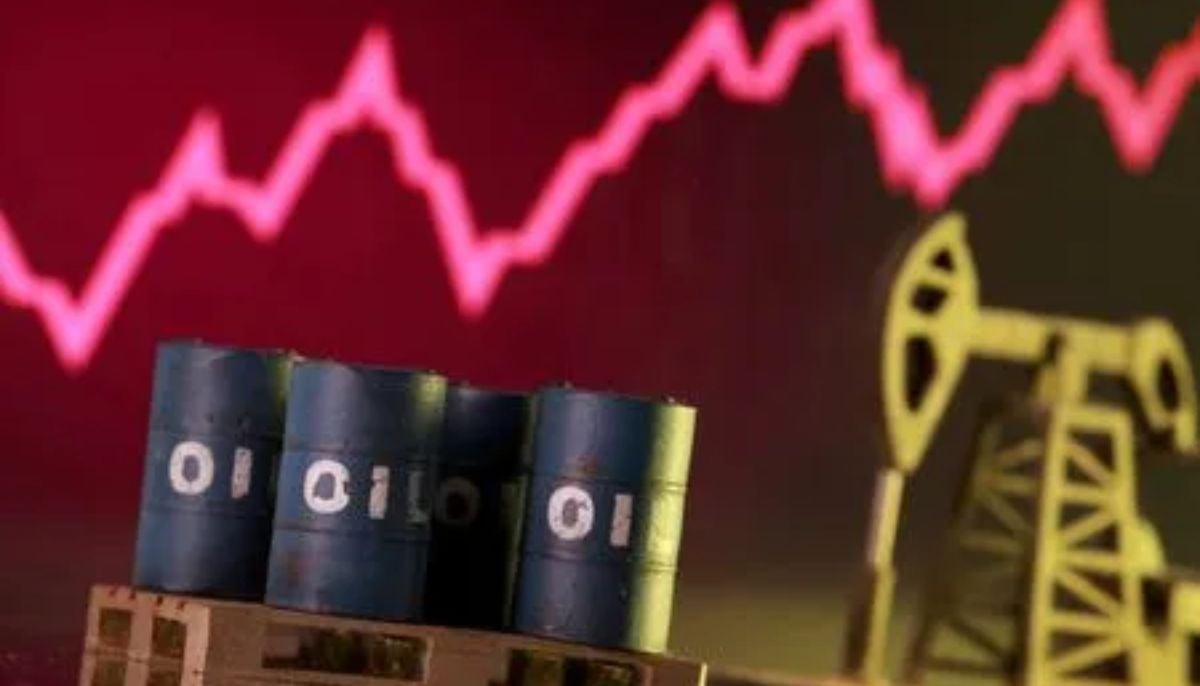
Global oil prices have surged rapidly despite a record-breaking agreement by the International Energy Agency (IEA) and the United States to release massive quantities of strategic oil reserves in an attempt to curb the impact of the war in Iran.
Brent crude rose by nearly 9% to top $100 a barrel in Asian trading, even after all 31 members of the International Energy Agency(IEA) committed to releasing 400 million barrels in response to supply concerns.
Iran warned on Wednesday that oil could reach $200 a barrel as its attacks on ships intensify in the Strait of Hormuz, a crucial waterway for energy shipments. It is the world’s busiest oil shipping channel, about 20% of the world’s oil is carried through it. It is deep enough for the biggest crude oil tankers and used by the Middle East’s major oil and gas producers-Iran, Iraq, Kuwait, Qatar, Saudi Arabia and the UAE.
In response, an Islamic Revolutionary Guard Corps (IRGC) official warned that any vessel linked to the US or Israel, or allies would be targeted.
The spokesperson said: “You will not be able to artificially lower the price of oil. Expect oil at $200 per barrel, as the price of oil depends on regional security, and you are the main source of insecurity in the region.”
This narrow shipping lane is significant to the global economy, as about a fifth of the world’s energy supplies regularly pass through it. IEA member nations represent approximately two-thirds of global energy production and consumption. This release of reserves is more than double the previous IEA record set following the invasion of Ukraine in 2022, as reported by the BBC.
Regarding the ongoing regional geopolitical tensions, oil prices will stay high as long as there is a potential risk to supplies, and the latest rise suggests that traders are still expecting a prolonged disruption. Given the gravity of the situation, global oil markets have been extremely volatile since the US and Israel launched airstrikes against Iran on February 28, with Brent crude reaching almost $120 a barrel earlier this week.
According to the American Automobile Association (AAA), the average price of petrol rose above $3.50 a gallon on Tuesday in the US as many countries remain heavily dependent on energy from the Middle East. Drivers are facing long queues at petrol stations in the Philippines, Thailand and Vietnam this week as they struggle to refuel their vehicles.
To overcome these challenges, Thai authorities have called on most government agencies to implement a work-from-home strategy to help cut down on energy use, following the example of several other countries adopting similar measures.


-
 Trump’s China trip rescheduled for May amid conflict with Iran
 -
 24 dead in Bangladesh after bus plunges into river during ferry boarding
 -
 Crow flocks over Israel spark conspiracy theories
 -
 Former UK MP Crispin Blunt pleads guilty to crystal meth possession case
 -
 Inside Trump’s 15-point plan: Global stocks climb as oil falls on hopes of Iran peace deal
 -
 Savannah Guthrie adopts new strategy in search of her missing mother Nancy
 -
 Is world heading toward global recession in 2026? Larry Fink warns of looming risk
 -
 Nanaimo weather improves as BC lifts flood advisories following days of heavy rainfall
-
 Denmark election: Frederiksen faces tough coalition negotiations after losing majority
 -
Brian Nathan wins close Florida Senate race with recount possible after narrow lead
-
National Hurricane Centre updates forecast cone to improve storm tracking and warnings for 2026
-
Canada federal minimum wage increase confirmed with new $18.15 rate starting April 1