
Brewing water issue
Indus River System Authority, despite objections from Sindh, somehow approved water supply for Cholistan canal system
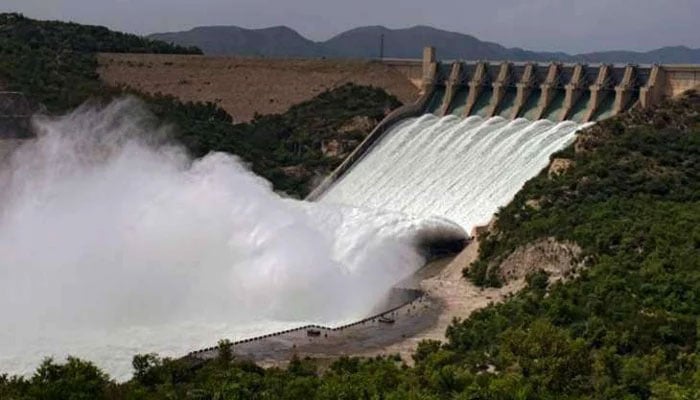
Sindh is on the brink of a severe water crisis, with the province’s irrigation department warning that both Mangla and Tarbela dams are expected to run completely dry in the coming days. The consequences of such a shortage are dire, threatening agricultural production and drinking water supplies across the region. This alarming situation calls for urgent, systematic planning to address the crisis before it spirals out of control. At the same time, protests continue across Sindh against the controversial Cholistan canal project, which aims to construct six canals on the Indus River to irrigate the Cholistan desert. The project, spearheaded by the federal government, has been met with stiff opposition from the PPP -- an ally of the ruling PML-N -- and various Sindhi nationalist parties. The Indus River System Authority (Irsa), despite objections from Sindh, somehow approved the water supply for the Cholistan canal system last month, granting Punjab the green light for its construction. In response, the Sindh High Court Bar Association (SHCBA) has strongly condemned Irsa’s approval and demanded an immediate withdrawal of all such canal projects, citing national interest.
This issue is the latest in a long-standing and contentious debate on water distribution between Punjab and Sindh. As a lower riparian province, Sindh has often faced water shortages exacerbated by upstream projects. The concerns raised by experts are valid: the Cholistan canal project will not only disrupt Sindh’s already fragile water allocation but also pose a significant ecological threat to a country already highly vulnerable to climate change. With Sindh still recovering from the devastation of the 2022 floods, it cannot afford to suffer from another human-induced disaster. The matter remains unresolved despite Sindh’s submission of multiple summaries regarding water projects, including the Cholistan canal, to the Council of Common Interests (CCI) in 2023 and 2024. The CCI is the only constitutional body authorised to decide on interprovincial water disputes -- and yet no final decision has been made. This lack of resolution has only ended up fueling tensions, reviving memories of the controversial Kalabagh dam project, which met fierce resistance from Sindh and other provinces. Political observers warn that any Sindhi politician supporting the Cholistan project would effectively be signing a political death warrant, given the strong sentiments in the province.
The federal government must not take the growing protests in Sindh lightly. It is imperative that the ruling coalition -- the PML-N and the PPP -- engage in serious dialogue to resolve this issue before it escalates into a full-blown political and social crisis. The people of Sindh deserve fair water distribution, especially as they grapple with the compounded effects of climate change and past policy failures. Any decision on water projects must be made transparently, with all stakeholders at the table. If ignored, this crisis could have severe repercussions for national unity, turning water scarcity into a flashpoint of interprovincial discord. Instead of imposing controversial projects, why can't our government focus on sustainable water management solutions that do not deprive one province at the expense of another? If the sensitivities involved are not taken into account, the existing acrimony and distrust will only deepen.







-
 Royal Expert Reflects On Prince William's Warning To Harry About Meghan Markle
 -
 'Frustrated' Meghan Markle Finally Distances Herself From Royal Title
 -
 US-Russian Space Crew Returns To Earth After Eight-month Mission On The International Space Station
 -
 Viking 1 Mars Landing: 50 Years Since First Photos
 -
 Prince Harry Feeling 'quite Hopeful' For Reconciliation With William: Here's Why
 -
 Lamine Yamal Strongly Warned About Romance With Girlfriend Ines Garcia
 -
 Lamine Yamal’s Girlfriend Ines Garcia Hits 4 Instagram Followers After Spain’s World Cup Win
 -
 US Sports Betting Nears $300 Billion As Experts Warn Of Addiction Risks
 -
 King Charles Takes 'huge Offence' To Prince William For Major Reason
 -
 ‘Fevered & ‘intellectually Challenged’ Prince Harry Sparks Worse Marital Problems With Meghan
 -
 Are We Closer To A Real-life ‘genie’ That Grants Any Wish: Here's What Sam Altman Thinks
 -
 Job Bon Jovi’s Mid-stage Exit Sparks Longtime Friend To Come Forward
 -
 Global Semiconductor Market Set To Pass $1tn In 2026
 -
 Prince Harry Warned Meghan Will ‘fly Out The Door’: ‘That Relationship Is In Trouble’
 -
 Europe Wildfire: Over 300,000 Flee As France, Spain Battle Massive Blazes
 -
 Berlin Pride Tragedy: German Police Hunt Suspect After Van-ramming Leaves 1 Dead And 16 Injured