
Pakistan’s economic crossroads: reform or ruin?
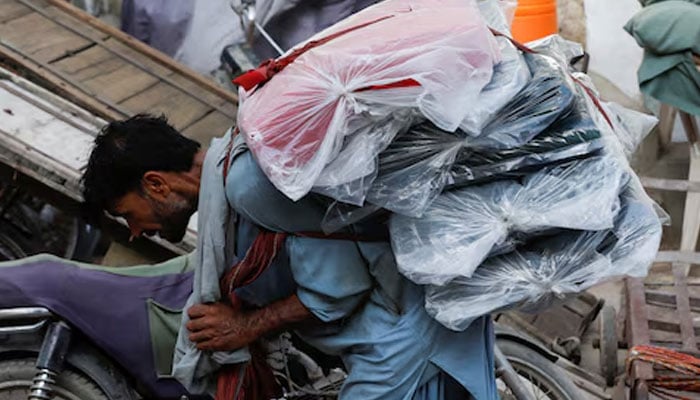
LAHORE: Pakistan’s current economic policies -- driven by the International Monetary Fund’s (IMF) fiscal consolidation measures, high interest rates, rupee devaluation and heavy taxation -- are causing immediate hardships for the public, including inflation, job losses and stagnant wages. But how long will this economic pain last?
The duration of economic distress depends on multiple factors. If Pakistan successfully implements IMF-backed stabilisation measures alongside structural reforms, recovery could begin by 2025-2026. However, if policies remain inconsistent, the crisis may persist. A resurgence in investment and growth is expected between 2026 and 2028, but long-term recovery hinges on Pakistan’s ability to attract foreign investment, boost exports and stabilise industries.
Political stability and improved governance will be critical. Countries like Sri Lanka and Argentina have taken six to 10 years to recover from economic mismanagement. If Pakistan maintains reform momentum, the hardship may last another three to five years. However, prolonged political uncertainty and weak governance could extend the crisis beyond a decade.
Several nations have endured similar economic turmoil and implemented painful but necessary reforms. Argentina has faced decades of financial distress due to debt mismanagement, with IMF-imposed austerity prolonging the crisis. Recovery remains uncertain, underscoring the risks of repeated borrowing. Greece suffered nearly a decade of economic turmoil after its debt crisis in 2009, with IMF-mandated austerity, high taxes, and widespread job losses pushing millions into financial hardship.
Economic stability only returned after years of difficult reforms. Egypt was forced to devalue its currency and take IMF loans in 2016, leading to high inflation and public suffering. However, strategic investment and strong exports helped improve conditions within five years. Sri Lanka, the most recent example, experienced economic collapse in 2022 due to mismanagement and debt. With IMF assistance, recovery began within two years, but the public continues to endure financial difficulties.
For Pakistan, sustained reforms are essential, but the period of economic pain could be shortened if lessons are learned from these countries. The government must prioritise attracting investment instead of relying excessively on borrowing. Export-led growth should take precedence over restrictive import policies. Enhancing the value-added textile sector by ensuring the liberal import of raw materials is crucial. At the same time, non-textile industries such as pharmaceuticals, light engineering, and artificial intelligence must receive targeted support. AI-driven software exports, if properly facilitated, could surpass textile exports within a decade.
Reducing the tax burden on productive sectors is also necessary to stimulate growth, while tax evaders must be brought into the net to ensure equitable revenue generation. Above all, political stability is vital for policy continuity. If these measures are taken, Pakistan could stabilise by 2026-2028. Failure to act decisively could extend the crisis for a decade or more.






-
 Gwyneth Paltrow Reveals Deep Personal Connection With Kate Hudson
 -
 Prince Harry, Meghan Markle’s Game Plan For Beatrice, Eugenie: ‘Extra Popcorn For This Disaster’
 -
 OpenAI To Rollout AI Powered Smart Speakers By 2027
 -
 Is Dakota Johnsons Dating Younger Pop Star After Breakup With Coldplay Frontman Chris Martin?
 -
 Hilary Duff Tears Up Talking About Estranged Sister Haylie Duff
 -
 US Supreme Court Strikes Down Trump’s Global Tariffs As 'unlawful'
 -
 Kelly Clarkson Explains Decision To Quit 'The Kelly Clarkson Show'
 -
 Inside Hilary Duff's Supportive Marriage With Husband Matthew Koma Amid New Album Release
 -
 Daniel Radcliffe Admits To Being Self Conscious While Filming 'Harry Potter' In Late Teens
 -
 Director Beth De Araujo Alludes To Andrew's Arrest During Child Trauma Talk
 -
 Video Of Andrew 'consoling' Eugenie Resurfaces After Release From Police Custody
 -
 'Harry Potter' Alum Daniel Radcliffe Gushes About Unique Work Ethic Of Late Co Star Michael Gambon
 -
 Japan: PM Takaichi Flags China ‘Coercion,’ Pledges Defence Security Overhaul
 -
 Angorie Rice Spills The Beans On Major Details From Season 2 Of ' The Last Thing He Told Me'
 -
 Teacher Arrested After Confessing To Cocaine Use During Classes
 -
 Questions Raised Over Andrew Mountbatten-Windsor's Line Of Succession